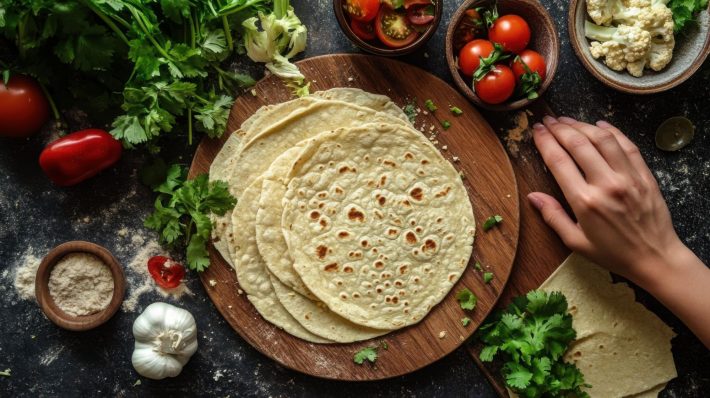
Diabetes is rising rapidly in both India and the United States. As more people look for practical dietary changes to manage blood sugar, one common question keeps coming up: Which roti is best for diabetes and sugar control? For millions of Indians, roti is a daily staple. In the US, it’s increasingly popular as an Indian flatbread alternative to regular bread. But not all rotis are created equal. The type of flour you use can significantly impact blood glucose levels, digestion, and long-term metabolic health.
In this detailed guide, we’ll break down the best roti for blood sugar control, compare ragi, jowar, bajra, and wheat, and help you choose the healthiest option for daily eating.
What Makes a Roti Good for Blood Sugar Control?
Before deciding which roti is best for diabetics, it’s important to understand what affects blood sugar levels.
A diabetes-friendly roti should have:
Low Glycemic Index (GI): The glycemic index measures how quickly a food raises blood sugar. Low GI foods release glucose slowly, preventing spikes.
High Fiber Content: Fiber slows carbohydrate absorption and improves insulin response.
Moderate Carbohydrate Load: Even healthy carbs must be eaten in controlled portions.
Good Nutrient Density: Magnesium, antioxidants, and plant protein support metabolic health.
Millet-based rotis generally perform better than refined or plain wheat options in these areas.
Which Roti Is Best for Diabetes?
Let’s compare the most common types.
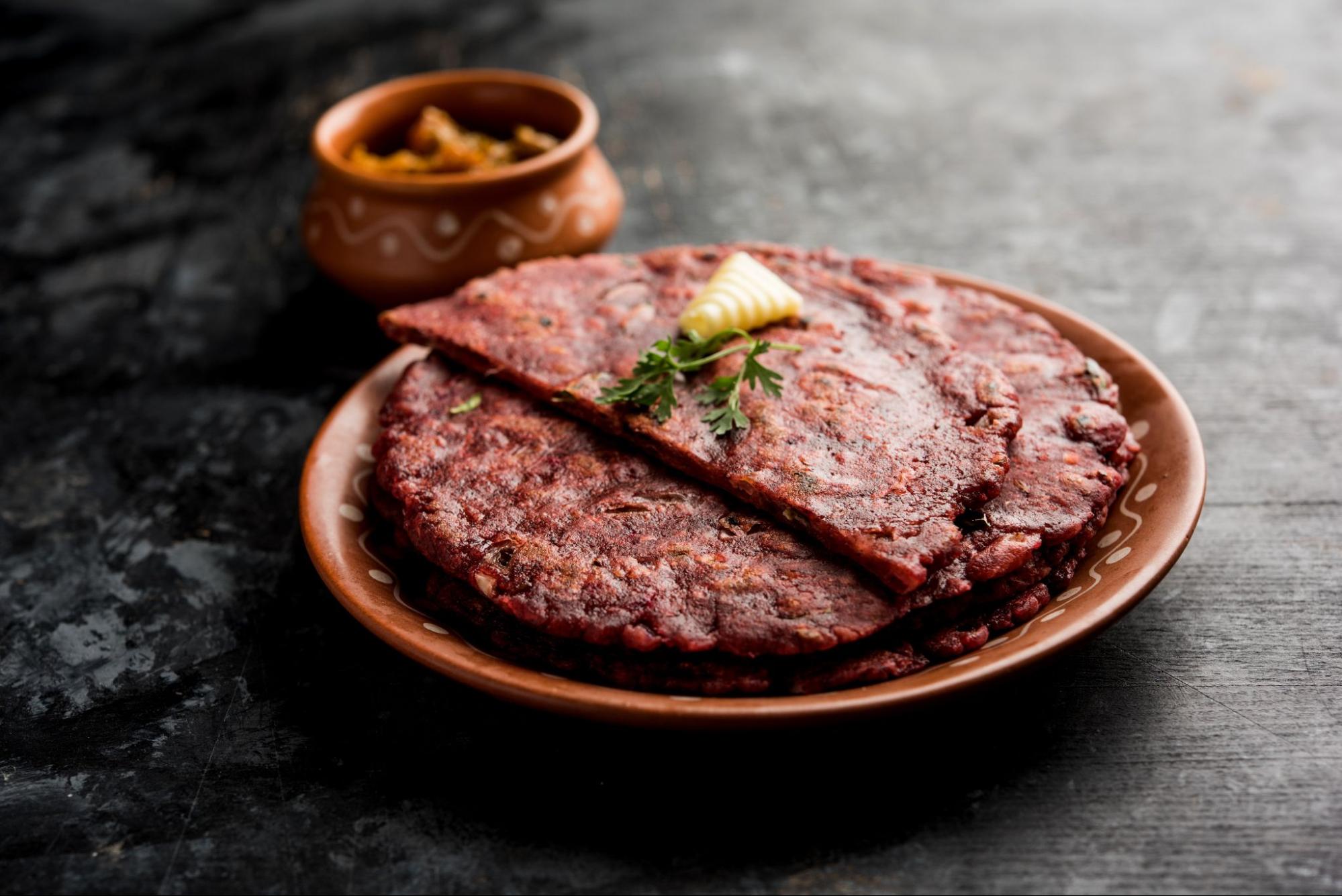
1️. Ragi Roti (Finger Millet) – Best for Strict Sugar Control
If you’re looking for the best roti for blood sugar control, ragi roti often ranks at the top.
Why Ragi Is Good for Diabetes:
Low glycemic index
High dietary fiber
Rich in calcium and antioxidants
Contains polyphenols that may improve insulin sensitivity
Ragi slows down digestion, leading to gradual glucose release. This makes it especially beneficial for people with type 2 diabetes or insulin resistance.
Additional Benefits:
Keeps you full longer
Supports weight management
Strengthens bones
For those searching “does ragi roti increase blood sugar?” – yes, slightly, like any carbohydrate. But compared to refined grains, the increase is slower and more controlled.
Best for:
✔ Type 2 diabetes
✔ Weight loss
✔ PCOS
✔ Long-lasting energy
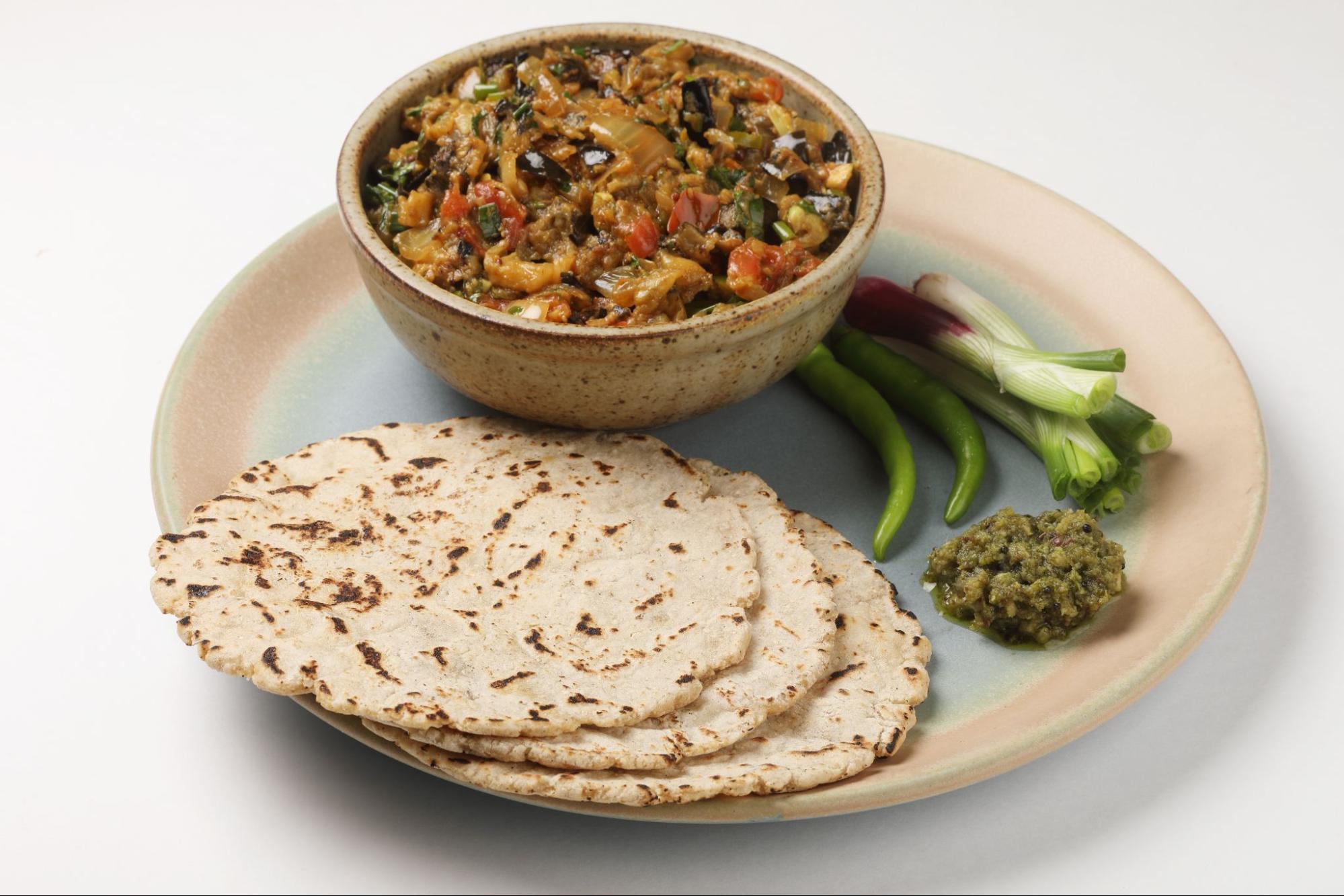
2️. Jowar Roti (Sorghum) – Best for Digestion & Balanced Sugar Levels
Jowar roti is another excellent millet-based option. In the US, it’s often referred to as sorghum flatbread.
Benefits of Jowar Roti:
Naturally gluten-free
High in fiber
Moderate glycemic index
Supports gut health
Jowar contains resistant starch, which feeds beneficial gut bacteria and improves digestion.
Many people ask, “Can jowar raise blood sugar?”
Like all grains, jowar does increase blood sugar slightly, but its fiber content prevents rapid spikes. It’s considered a safe option for diabetics when eaten in moderation.
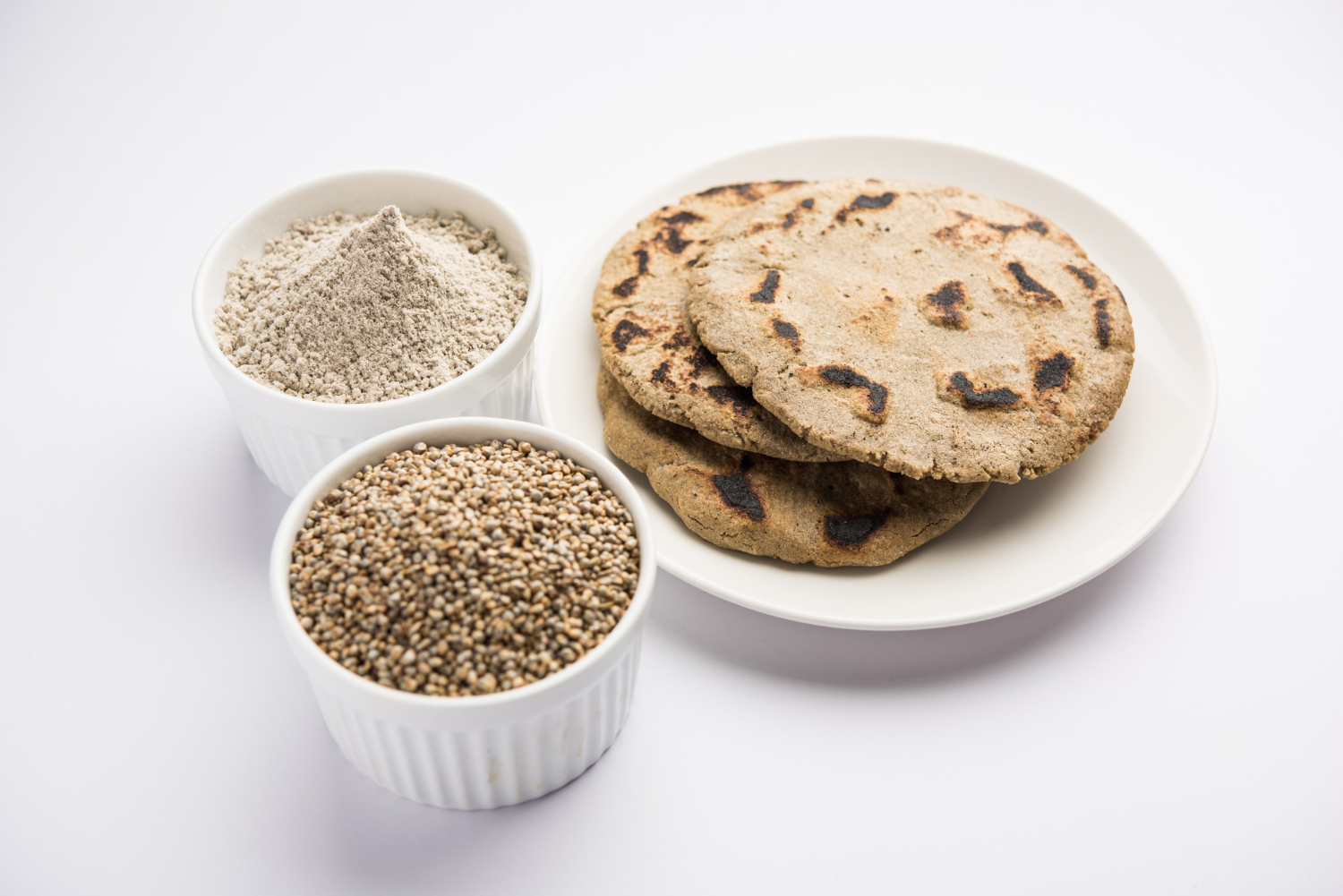
3️. Bajra Roti (Pearl Millet) – Best for Insulin Sensitivity
Bajra is nutrient-dense and often consumed during winter in India. It’s warming, filling, and metabolically supportive.
Why Bajra Helps:
High in magnesium (supports insulin function)
Rich in fiber
May improve insulin sensitivity
Supports heart health
Bajra roti is a strong option for people managing both diabetes and high cholesterol.
Best for:
✔ Insulin resistance
✔ Cardiovascular health
✔ Winter diets
4️. Whole Wheat Roti – Good but Not the Best
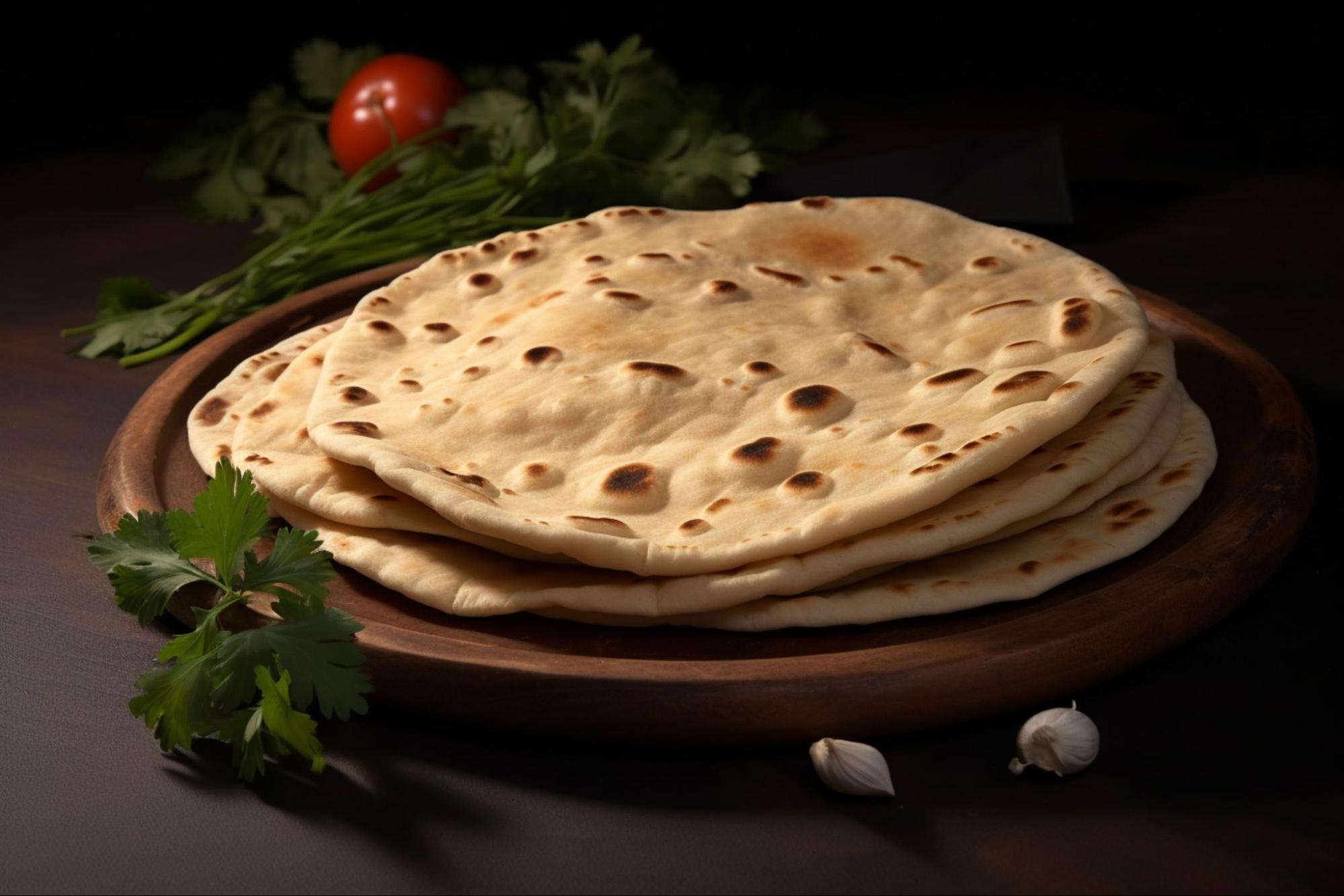
Whole wheat roti is healthier than refined flour (maida), but it has a higher glycemic load compared to millets.
Pros:
Readily available
Moderate fiber
Better than white bread
Limitations:
Contains gluten
Can cause a faster glucose rise than millets
Less nutrient diversity
If choosing between white rice and whole wheat roti, roti is usually the better option for diabetics. However, millet roti remains superior for sugar control.
Ragi vs Jowar vs Wheat: Which Is Better?
Type of Roti
Glycemic Impact
Fiber
Best For
Ragi
Low
High
Strict blood sugar control
Jowar
Moderate-Low
High
Digestion + balanced sugar
Bajra
Moderate-Low
High
Insulin sensitivity
Wheat
Moderate
Moderate
General use
If your priority is strict diabetes management, ragi or jowar roti is better than wheat roti.
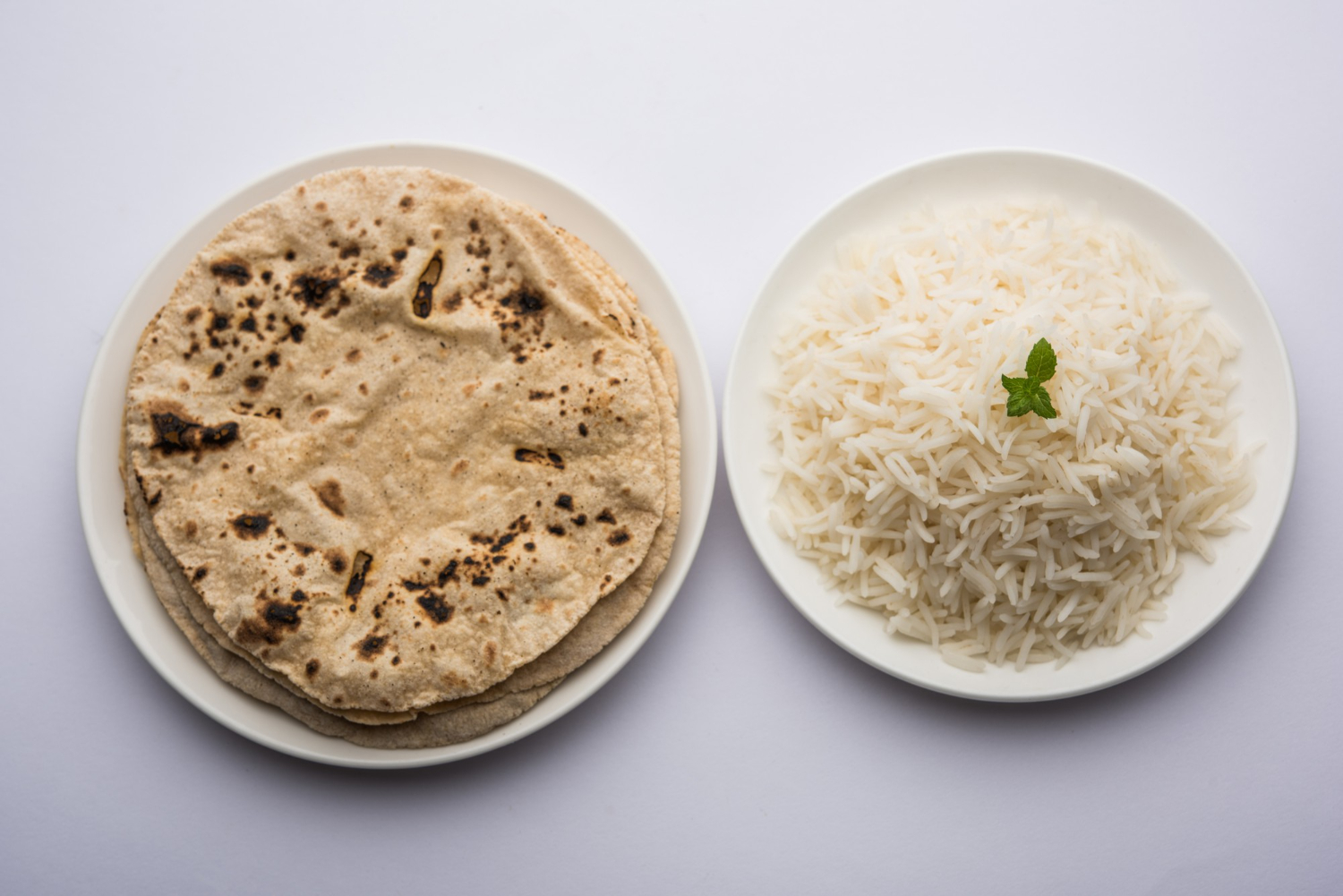
Rice vs Roti for Diabetics: What’s Better?
This is one of the most searched questions: Which is better for diabetics, rice or roti?
White rice has a high glycemic index and causes quicker blood sugar spikes. Whole wheat roti is slightly better. However, millet roti for diabetes is even more beneficial due to its fiber and lower GI.
If you prefer rice:
Choose brown rice
Control portions
Pair with protein and vegetables
But for better sugar stability, millet-based roti is often recommended.
How Many Rotis Can a Diabetic Eat Per Day?
Portion control matters as much as grain choice.
1–2 medium rotis per meal
Pair with dal, paneer, curd, tofu, or vegetables
Avoid eating roti alone
Even the best roti for diabetes can raise blood sugar if consumed in excess.
Best Flour Mix for Diabetic-Friendly Roti
If you want maximum benefits, consider a custom multigrain mix:
40% ragi flour
30% jowar flour
20% bajra flour
10% whole wheat flour
This blend balances taste, texture, and glycemic control.
In India, look for multigrain atta for diabetics that actually contains millets – not just colored wheat flour.
In the US, search for:
Millet flour for blood sugar control
Diabetic-friendly flatbread flour
Low glycemic flour mix
Is Roti Good for Overall Health?
Yes – when made from whole grains or millets.
Millet-based rotis provide:
Fiber for digestion
Plant protein
Essential minerals
Better satiety
They may also help:
Reduce cholesterol
Improve gut health
Support weight management
Compared to processed white bread, roti made from millets is a healthier flatbread option.
Can Ragi or Jowar Increase Blood Sugar?
Short answer: Yes, but moderately.
All carbohydrates increase blood glucose to some degree. The key difference lies in how quickly they do so.
Ragi and jowar:
Digest slowly
Prevent sharp spikes
Provide sustained energy
For optimal results:
Pair with protein
Add fiber-rich vegetables
Avoid sugary side dishes
Pro Tips to Reduce Sugar Spikes After Eating Roti
Eat vegetables first
Add protein to every meal
Avoid fruit juices alongside roti
Walk for 10–15 minutes after meals
Practice portion control
These habits often matter more than the specific grain choice.
Best Roti for Digestion
If digestion is your primary concern:
Choose jowar (gluten-free and gut-friendly)
Avoid refined flour
Rotate different millets
Stay hydrated
Fiber supports regular bowel movements and improves microbiome health.
Should You Rotate Rotis?
Yes. No single grain is perfect.
A weekly rotation may look like:
Monday: Ragi
Tuesday: Jowar
Wednesday: Wheat
Thursday: Bajra
Friday: Multigrain
Rotation improves nutrient diversity and prevents dietary monotony.
Final Verdict: Which Roti Is the Healthiest?
If we rank them:
Best for blood sugar control: Ragi roti
Best for digestion and balance: Jowar roti
Best for insulin sensitivity: Bajra roti
✔ Best everyday option: Multigrain with millets
Millet-based rotis are better than refined grains for diabetes management.
However, even the best roti for diabetics must be eaten in moderation and as part of a balanced meal.
FAQs
Which roti is best for blood sugar?
Ragi and jowar roti are considered the best due to their low glycemic index and high fiber content.
Is roti better than rice for diabetics?
Yes, especially millet-based roti. White rice causes faster sugar spikes.
Does ragi increase sugar levels?
Yes, slightly – but much slower than refined grains.
Can jowar raise blood sugar?
It can, but moderately. Its fiber content prevents sharp spikes.
Conclusion
Choosing the best roti for diabetes doesn’t mean eliminating carbohydrates – it means choosing smarter grains. Ragi, jowar, and bajra offer superior benefits for blood sugar control, digestion, and overall health compared to refined wheat or white rice.
Whether you’re in India looking for better atta for diabetes, or in the US searching for a low glycemic flatbread, millet-based rotis are a powerful, practical choice. Balance, rotation, and portion control remain the real keys to long-term metabolic health.