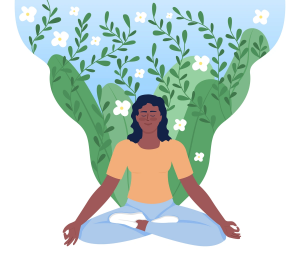
Introduction: Why Mindfulness Matters Today
In 2026, life moves fast. Notifications, work pressure, and constant distractions make it hard to stay present. Many people feel overwhelmed, anxious, or mentally tired.
That’s where mindfulness comes in.
Mindfulness is not complicated. You don’t need hours of meditation or special tools. Just a few minutes a day can help you feel calmer, more focused, and more in control.
This beginner-friendly guide will show you a simple mindfulness routine you can follow daily.
What is Mindfulness?

Mindfulness means being fully present in the moment.
It involves:
- Paying attention to your thoughts
- Observing your feelings
- Focusing on your surroundings
Mindfulness is awareness without judgment.
Benefits of Mindfulness

Practicing mindfulness daily can help you:
- Reduce stress and anxiety
- Improve focus
- Sleep better
- Manage emotions
- Increase self-awareness
Simple Daily Mindfulness Routine (Step-by-Step)
Here’s a simple routine you can follow:
-
Start Your Day Without Your Phone (2–5 min)
Avoid checking your phone immediately after waking up.
What to do:- Sit quietly
- Take a few deep breaths
- Notice your surroundings
-
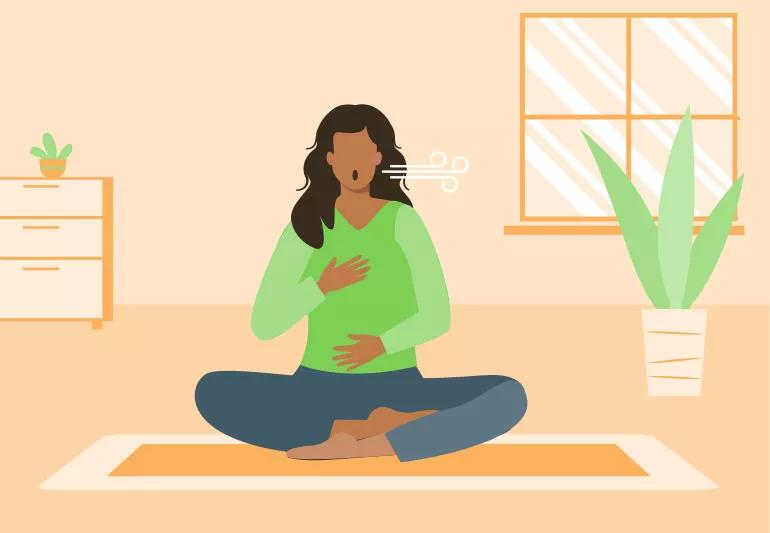
Focus on Your Breath (5 min)
Breathing is the easiest way to practice mindfulness.
How to do:- Inhale slowly
- Exhale gently
- Focus only on your breath
-
Mindful Observation (2–3 min)
Pay attention to something around you.
Example:- The sound of birds
- The feeling of air
- A cup of tea
-
Mindful Movement (5–10 min)
Add gentle movement to your routine.
Options:- Slow walking
- Light stretching
- Yoga
-
Gratitude Practice (2–3 min)
Write or think about 3 things you are grateful for.
👉 This shifts your mindset to positivity. -
Digital Mindfulness (Throughout the Day)
Use technology consciously.
What to do:- Avoid unnecessary scrolling
- Take breaks from screens
- Use your phone with intention
-
Night Reflection (5 min)
End your day with reflection.
Ask yourself:- What went well today?
- What did I learn?
Total Time Required
👉 Just 15–20 minutes a day
You can adjust based on your schedule.
Common Mistakes Beginners Make
- Expecting Instant Results
Mindfulness is a practice, not a quick fix. - Trying Too Hard
Don’t force yourself—stay relaxed. - Being Inconsistent
Consistency is more important than duration.
Tips to Stay Consistent
- Start with just 5 minutes
- Practice at the same time daily
- Keep it simple
- Don’t judge your thoughts
Who Should Practice Mindfulness?
Mindfulness is for everyone, especially:
- Students
- Working professionals
- Entrepreneurs
- Anyone feeling stressed or distracted
Final Thoughts: Start Small, Stay Present
Mindfulness is not about changing your life overnight.
It’s about small moments of awareness throughout your day.
Conclusion
In a world full of distractions, mindfulness helps you slow down and reconnect with yourself.
Start with a few minutes daily. Stay consistent. And enjoy the calm that follows.
Your peaceful mind begins with one breath.