
You feel exhausted – but your labs are “normal.”
Your hair is thinning.
Your weight has shifted.
Your mood feels unpredictable.
And you’re told it’s stress.
For millions of women, the missing piece is the thyroid.
This small butterfly-shaped gland at the base of your neck regulates metabolism, energy production, menstrual cycles, fertility, pregnancy outcomes, and even mood stability. Women are up to eight times more likely than men to develop thyroid disorders, and approximately 1 in 8 women will experience a thyroid condition during their lifetime.
Understanding your thyroid isn’t optional – it’s foundational to lifelong hormonal balance.
What Does the Thyroid Actually Do?
The thyroid produces two primary hormones:
- T4 (thyroxine)
- T3 (triiodothyronine)
- Metabolism (how efficiently you burn calories)
- Body temperature
- Heart rate
- Brain function
- Digestive speed
- Menstrual cycles and ovulation
- Skin, hair, and nail health
Women are especially vulnerable during:
- Puberty
- Pregnancy
- Postpartum
- Perimenopause
- Menopause
What Are the Symptoms of Hypothyroidism in Women?
Hypothyroidism (Underactive Thyroid)
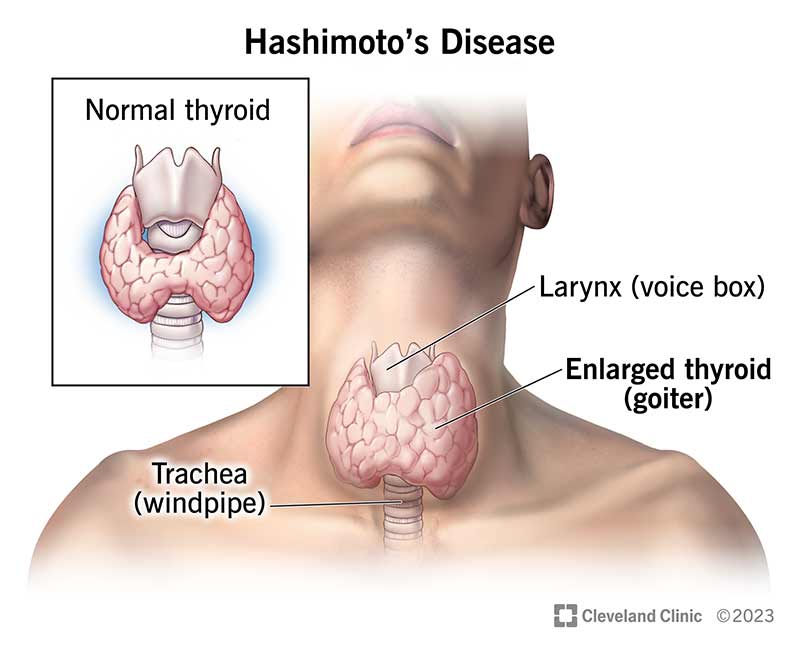
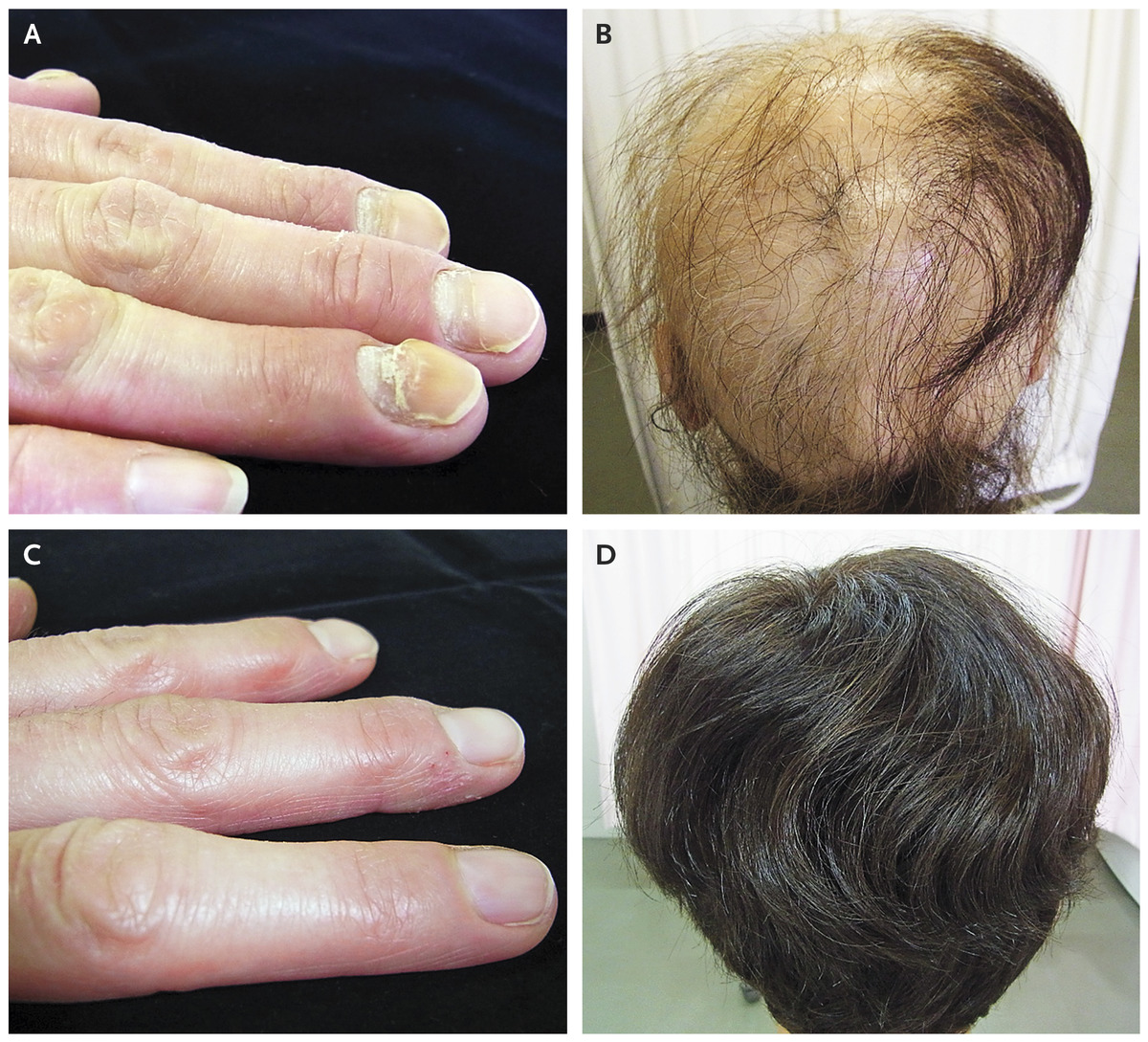
Definition: The thyroid produces too little hormone, slowing metabolic processes.
Most commonly caused by Hashimoto’s thyroiditis, an autoimmune condition where the immune system attacks thyroid tissue.
Common symptoms:
- Persistent fatigue
- Weight gain (despite no diet change)
- Cold sensitivity
- Constipation
- Heavy or irregular periods
- Infertility
- Hair thinning (especially outer eyebrows)
- Depression or brain fog
What Are the Symptoms of Hyperthyroidism in Women?
Hyperthyroidism (Overactive Thyroid)
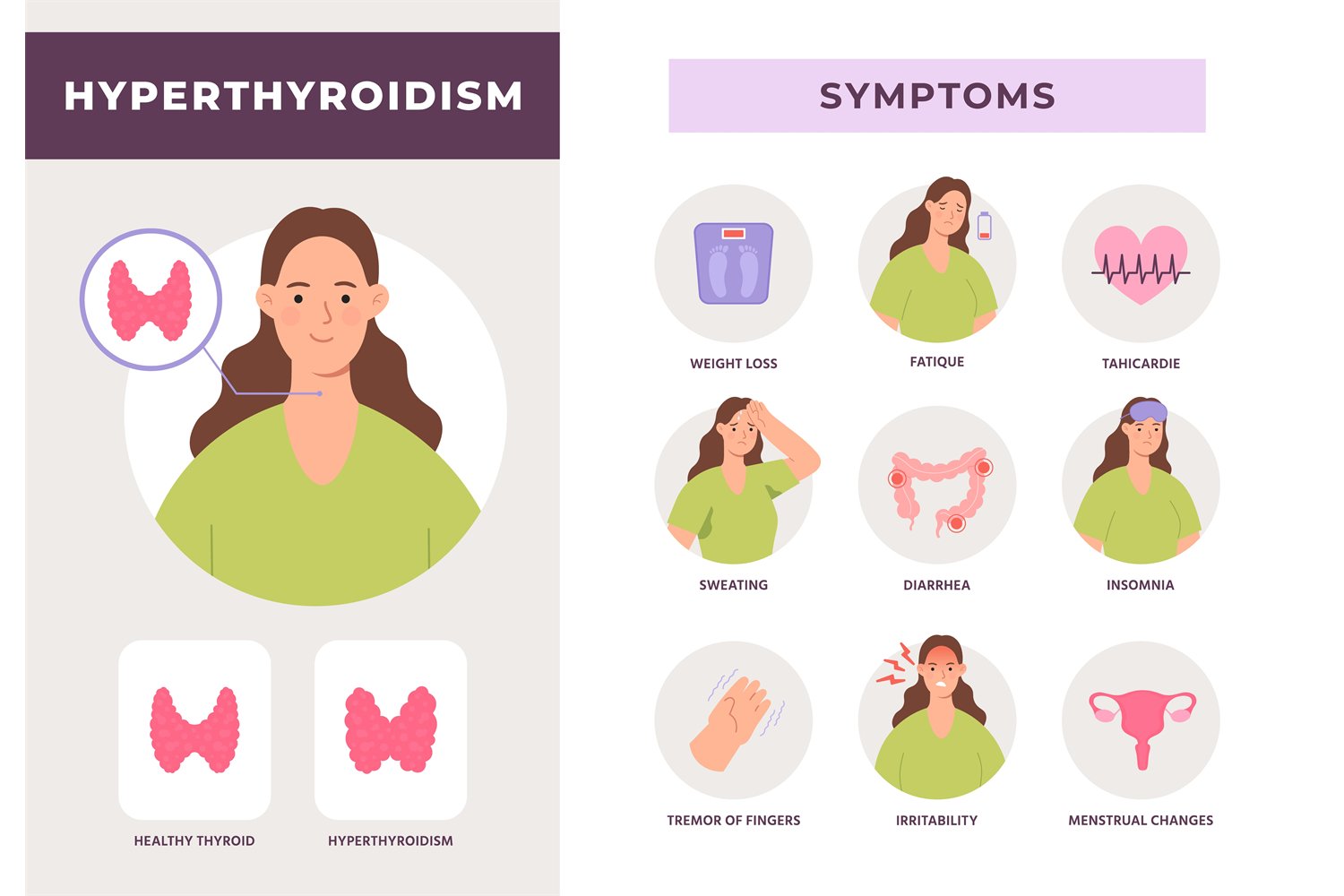
Definition: The thyroid produces too much hormone, accelerating metabolism.
Most commonly caused by Graves’ disease.
Common symptoms:
- Unintentional weight loss
- Rapid or irregular heartbeat
- Anxiety or irritability
- Heat intolerance
- Tremors
- Light or absent periods
- Insomnia
Thyroid Nodules and Goiter
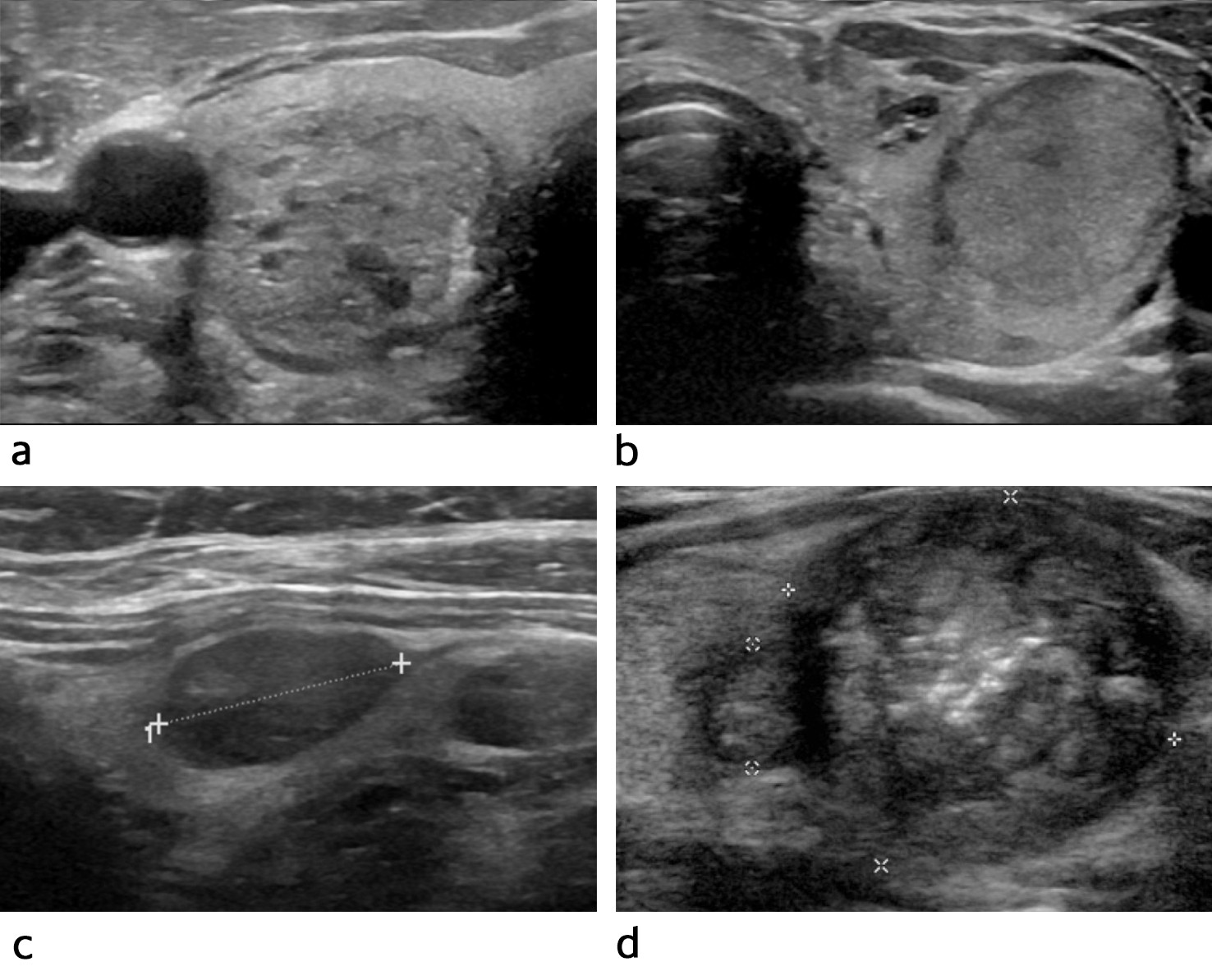
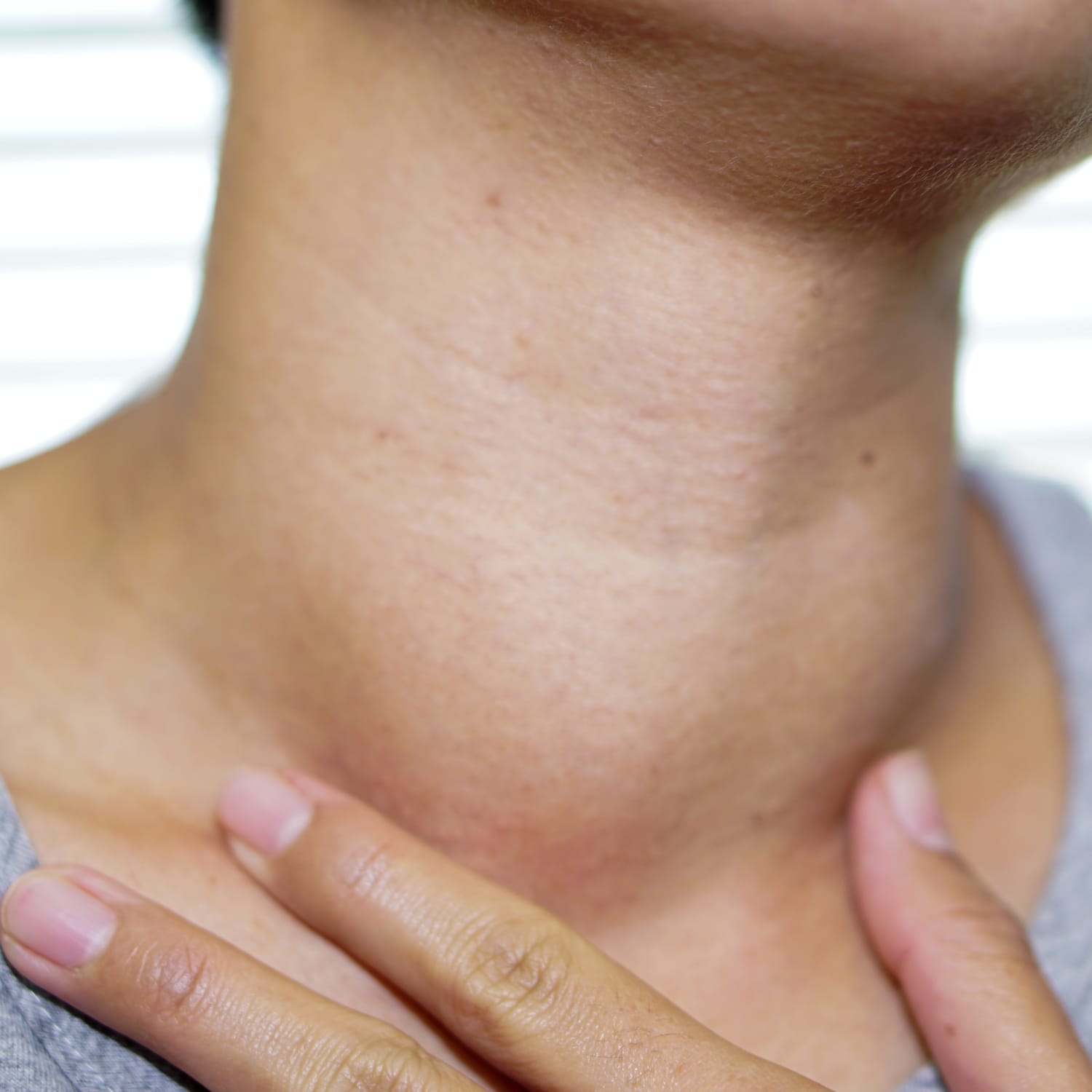
Nodules: Lumps within the thyroid (most are benign)
Goiter: Enlargement of the thyroid gland
Approximately 5% of nodules are cancerous, which is why ultrasound evaluation is important when detected.
What Causes Thyroid Disorders?
Thyroid dysfunction rarely has one single cause.
- Autoimmune Conditions
- Hashimoto’s thyroiditis
- Graves’ disease
- Iodine Imbalance
Both deficiency and excess iodine can disrupt hormone production. - Chronic Stress
Elevated cortisol can suppress TSH and interfere with T4-to-T3 conversion. - Nutrient Deficiencies
- Selenium
- Zinc
- Iron
- Vitamin D
- Hormonal Shifts
Estrogen fluctuations influence thyroid-binding proteins. - Environmental Endocrine Disruptors
PFAS, BPA, and heavy metals may interfere with thyroid signaling. - Genetics
Family history significantly increases risk.
Best Diet for Thyroid Health
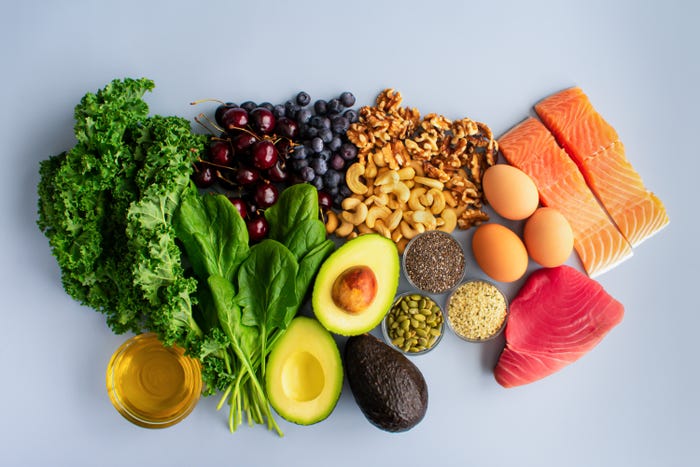
Essential Nutrients
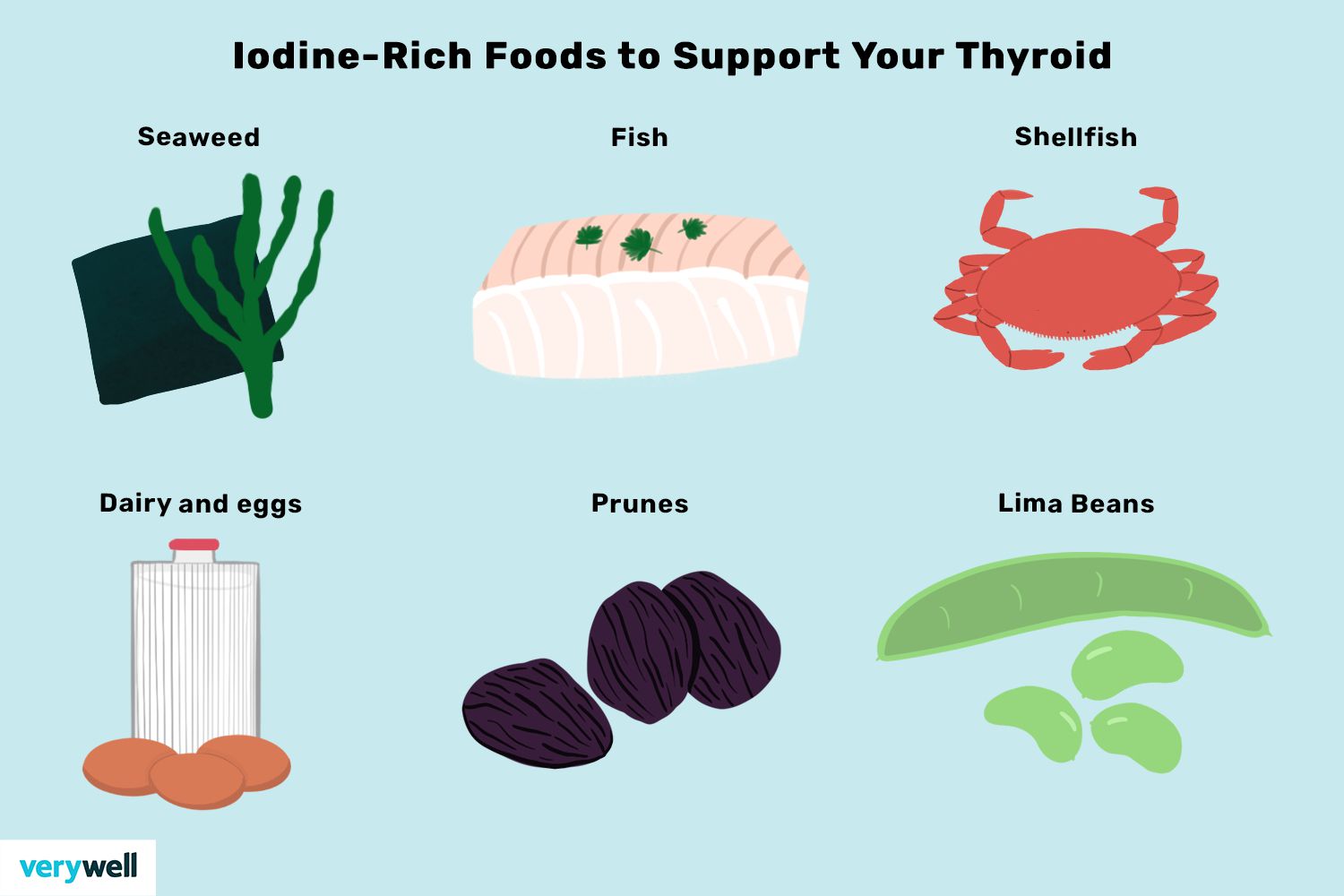
- Iodine – Required for hormone production
Sources: Seaweed, seafood, dairy, iodized salt
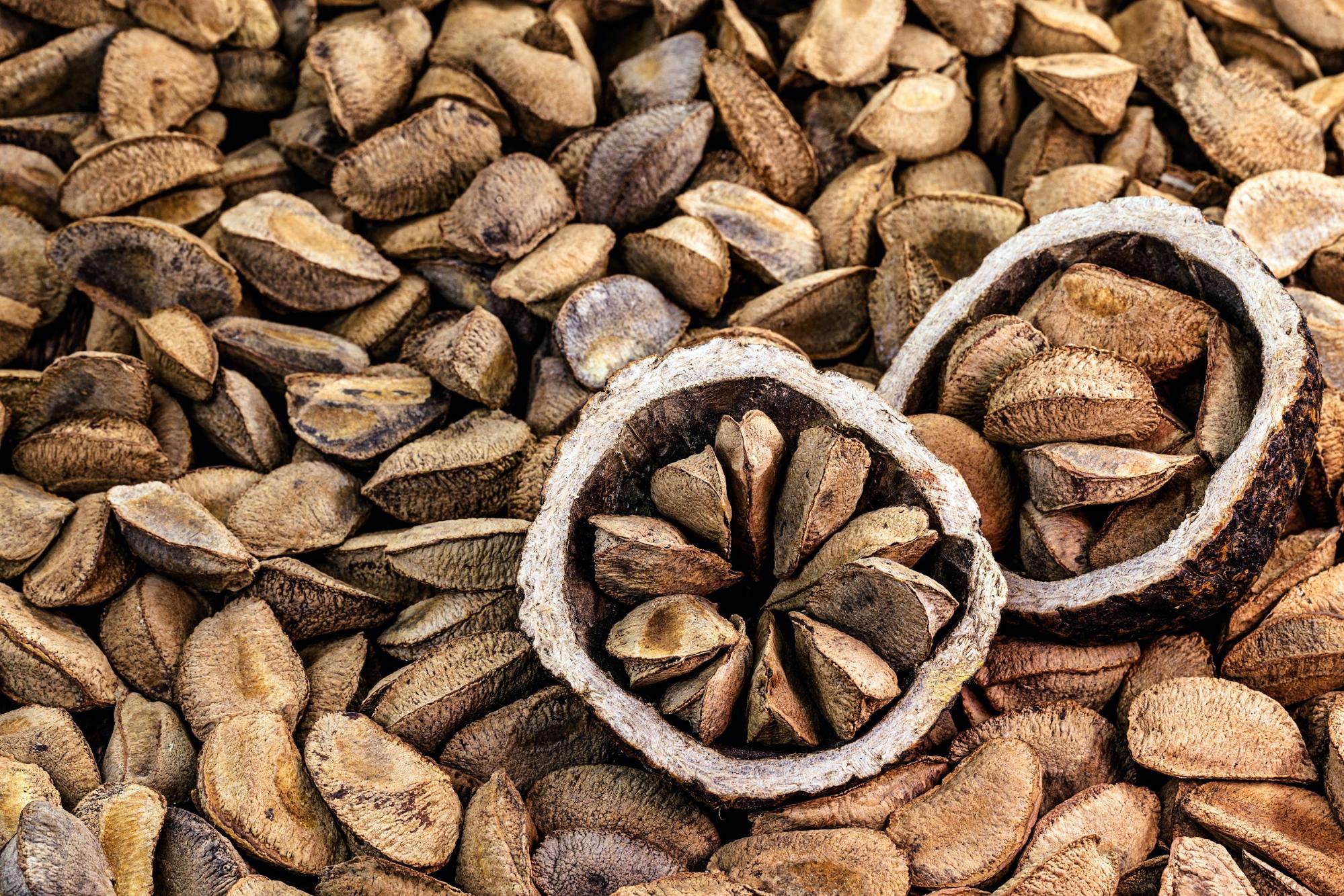
Recommended intake: ~150 mcg/day (higher in pregnancy) - Selenium – Supports T4 to T3 conversion
Sources: 1–2 Brazil nuts daily - Zinc & Iron – Required for hormone synthesis
Sources: Pumpkin seeds, shellfish, legumes - Omega-3 Fatty Acids – Reduce inflammation
Sources: Salmon, chia seeds
What About Goitrogens?
Cruciferous vegetables (broccoli, kale) are safe when cooked. They only pose a risk in extreme raw excess.
Lifestyle Strategies to Restore Thyroid Balance
- Sleep 7–9 Hours
Sleep regulates TSH secretion and lowers cortisol. - Reduce Stress
Breathwork
Gentle yoga
Meditation
Walking outdoors - Exercise Moderately
Excessive high-intensity workouts can stress an underactive thyroid. Focus on strength training, walking, Pilates, swimming, or yoga. - Test, Don’t Guess
Request a full thyroid panel, including:
TSH
Free T4
Free T3
Thyroid antibodies
TSH alone can miss early dysfunction.
Thyroid Health During Pregnancy
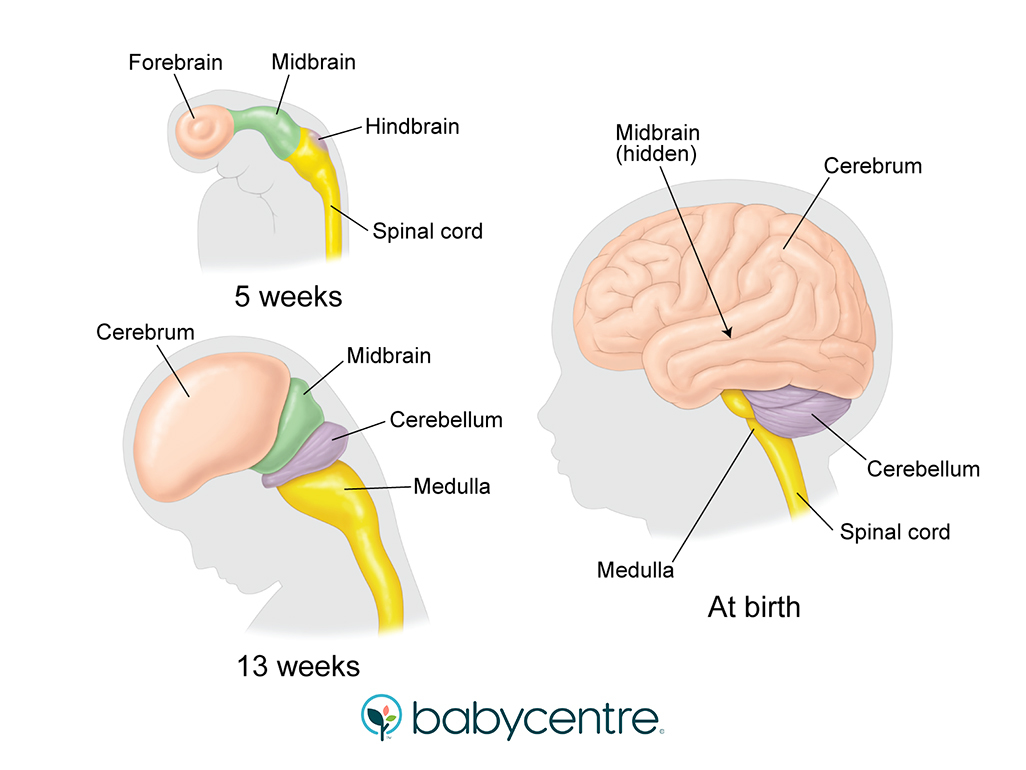
Thyroid hormones are essential for fetal brain development.
Untreated hypothyroidism increases the risk of:
- Miscarriage
- Preterm birth
- Cognitive delays
Thyroid and Menopause
Estrogen decline can alter thyroid hormone availability. Women on hormone replacement therapy may require thyroid medication adjustments. Fatigue during menopause is not always “just aging.” Thyroid testing is often overlooked during this transition.
Myth-Busting: Common Thyroid Questions
Is soy bad for the thyroid?
In moderate amounts, soy is safe. Excessive intake may interfere with medication absorption.
Can thyroid problems go away naturally?
Autoimmune thyroid conditions are typically chronic but manageable with treatment and lifestyle support.
Should I go gluten-free with Hashimoto’s?
Some women report symptom improvement, but evidence is mixed. Testing for celiac disease is advisable before eliminating gluten.
When to See a Doctor
Seek medical evaluation if you experience:
- Ongoing fatigue lasting more than 6–8 weeks
- Sudden weight changes
- Hair thinning
- Irregular menstrual cycles
- Heart palpitations
- Difficulty conceiving
Conclusion: Empower Your Thyroid, Empower Your Life
Your thyroid influences:
- Your energy
- Your fertility
- Your metabolism
- Your mood
- Your long-term health
It is not “just hormones.”
It is not “just aging.”
By prioritizing nutrition, stress management, proper testing, and medical partnership, you can restore balance and protect your health at every stage of life.
Medical Disclaimer
This article is for educational purposes only and does not replace personalized medical advice. Always consult a qualified healthcare professional before starting supplements or adjusting medications.