The postpartum period—often called the “fourth trimester”—is a crucial time for healing, rest, and nourishment. As your body transitions after childbirth, the right foods and self-care practices can ease discomfort, support recovery, and enhance emotional wellness. In this guide, you’ll find nutrition tips, healing practices, and practical resources to support your journey as a new mom.
1. Understanding Postpartum Recovery
What Happens to Your Body
- 🤰 Uterine contractions and shrinking uterus
- 🩸 Vaginal bleeding (lochia) lasting several weeks
- 💊 Hormonal shifts impacting mood and energy
- ⚠️ Discomfort from delivery or surgical healing
Timeline of Healing
- Week 1: Prioritize rest and hydration
- Weeks 2–4: Bleeding lessens, energy may return
- Weeks 4–8: Physical healing progresses
Importance of Support
Recovery isn’t solo. Lean on loved ones, hire a postpartum doula, or ask friends to help with meals and baby care.
2. Essential Healing Foods
Iron-Rich Foods
🔋 Why: Replenish blood loss and boost energy
Sources: Red meat, spinach, lentils, fortified cereals
Tip: Pair with vitamin C for better absorption
Meals: Lentil soup with tomatoes, beef and spinach stir-fry
Protein-Rich Foods
💪 Why: Repairs tissue and supports recovery
Sources: Eggs, chicken, tofu, Greek yogurt
Snacks: Hummus, nuts, boiled eggs
Hydration
💧 Why: Aids healing and supports milk supply
Fluids: Water, coconut water, herbal teas
Signs of dehydration: Dizziness, dry mouth, dark urine
3. Foods That Support Breastfeeding
- 🌾 Boost milk supply: Oats, fenugreek, fennel
- 🚫 Limit: Caffeine, alcohol, gassy or spicy foods
- 🥣 Easy snacks: Trail mix, energy balls, yogurt with fruit
4. Recovery-Supporting Practices
Rest and Sleep
- 😴 Nap when the baby naps
- 🛌 Keep room dark and calm
- 🙋♀️ Ask for help—don’t do it all
Gentle Movement
- 🚶♀️ Start walking post-approval (usually 6 weeks)
- 🧘♀️ Try pelvic floor exercises, light yoga
- 🚨 Stop if dizzy, bleeding heavily, or in pain
Mental Health
- 💬 Mood swings are common—talk it out
- 🧘 Practice mindfulness, journaling, or quiet time
- 📞 Seek help if sadness or anxiety lasts more than 2 weeks
5. Practical Tips
- 🥘 Batch-cook soups and freeze meals pre-birth
- 🧺 Store healthy snacks at eye level
- 📝 Keep a shopping list of postpartum staples
6. Recovery Timeline
- Week 1: Rest, hydrate, and eat nourishing meals ☐
- Week 2: Gentle walks, lighter bleeding ☐
- Week 4: Doctor checkup and light movement ☐
- Week 6+: Full recovery varies—listen to your body ☐
When to Seek Help
- 🚨 Heavy bleeding after the first week
- 🌡️ Fever or signs of infection
- 😖 Severe pain or swelling
- 😢 Persistent sadness, anxiety, or overwhelm
Conclusion
Postpartum recovery is a deeply personal experience that benefits from patience, proper nourishment, and a strong support system. With iron-rich foods, protein, hydration, gentle movement, and mental health care, you can navigate the fourth trimester with confidence and care. Take it one step at a time—rest, nourish, and repeat. 💛
Helpful Resources
- 🤱 La Leche League – Breastfeeding help
- 🧠 Postpartum Support International – Mental health resources
- 👩⚕️ Your OB/GYN or midwife – Personalized recovery guidance
Meal Planning Guide
- 🥣 Breakfast: Overnight oats with chia and berries
- 🥘 Lunch: Lentil soup + whole grain bread
- 🍽️ Dinner: Salmon + sweet potato + broccoli
- 🍏 Snacks: Apple with almond butter, yogurt with honey
Shopping List
- 🥚 Proteins: Chicken, eggs, beans, tofu
- 🥬 Iron-rich: Spinach, lentils, beef
- 🥤 Hydration: Herbal teas, coconut water
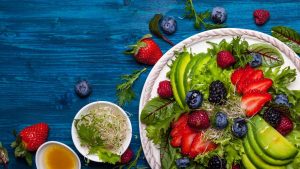
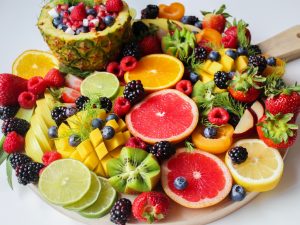
- 🍓 Snacks: Yogurt, almonds, sliced fruit
Recovery Checklist
- ✅ Week 1: Rest and fuel your body
- ✅ Week 2: Gentle walks and support systems
- ✅ Week 4: Reconnect with routines