
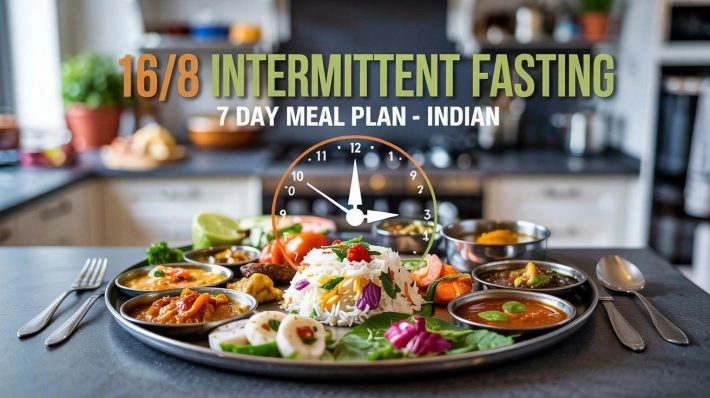
Introduction: Why Intermittent Fasting is Trending in 2026
Intermittent fasting has become one of the most talked-about wellness trends worldwide.
In 2026, many women are exploring intermittent fasting for:
- Weight management
- Better digestion
- Improved energy
- Hormonal balance
- Simpler eating routines
But for Indian women, fasting is not entirely new.
Traditional Indian lifestyles already included forms of fasting through:
- Religious fasting
- Seasonal eating
- Early dinners
- Light meals on specific days
However, intermittent fasting is not “one-size-fits-all.” Women’s bodies respond differently to fasting compared to men due to hormonal cycles, nutritional needs, and stress responses.
- The science behind intermittent fasting
- Benefits and risks
- Best fasting methods for Indian women
- Practical meal ideas and safety tips
What is Intermittent Fasting?
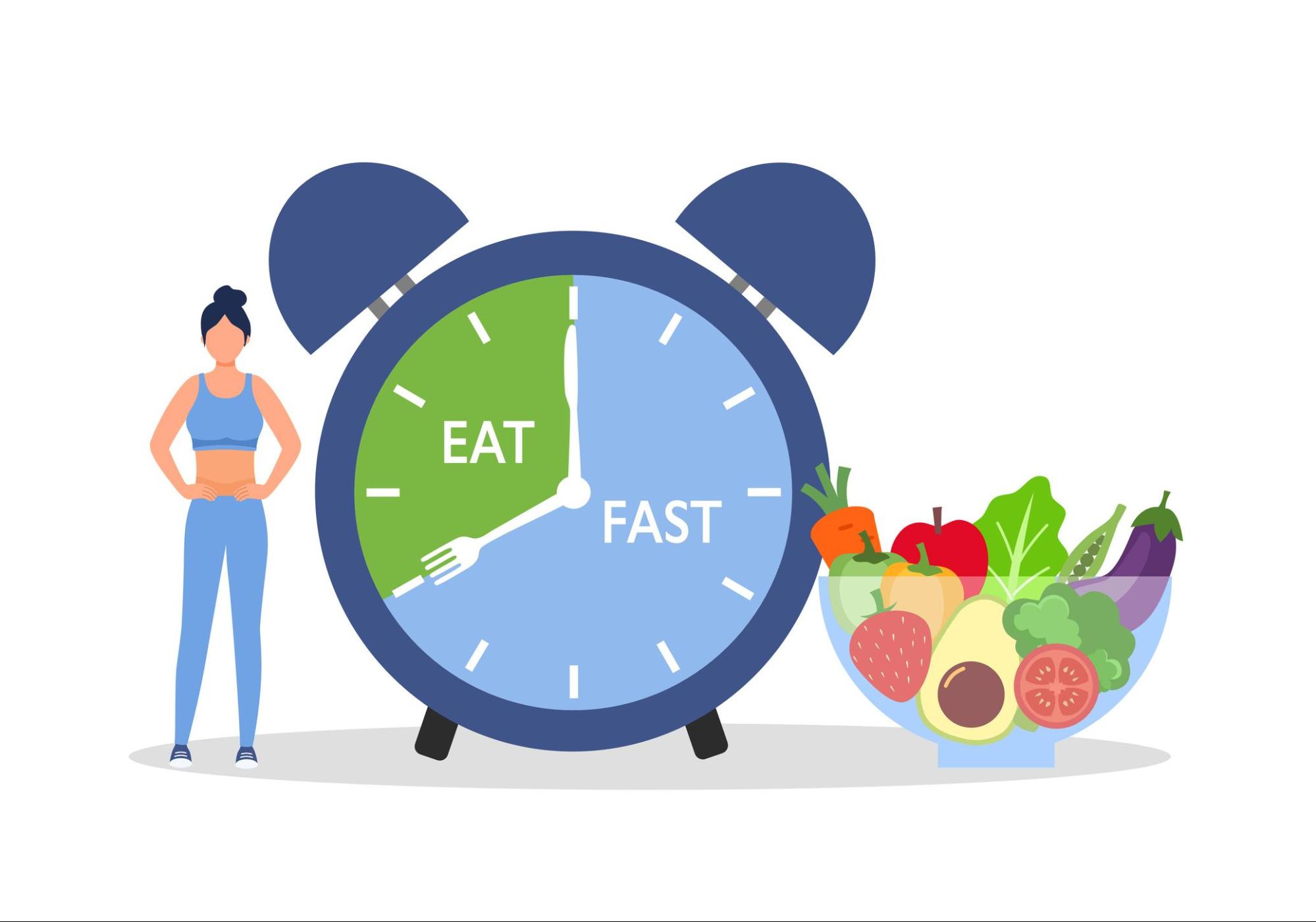
Intermittent fasting (IF) is an eating pattern that alternates between:
- Eating periods
- Fasting periods
It focuses more on when you eat rather than only what you eat.
Common Intermittent Fasting Methods
16:8 Method
Fast for 16 hours and eat within an 8-hour window.
Example:
- First meal → 12 PM
- Last meal → 8 PM
14:10 Method
A gentler option often preferred for beginners.
Early Time-Restricted Eating
Eating earlier in the day and avoiding late-night meals.
The Science Behind Intermittent Fasting
When you fast, the body shifts how it uses energy.
During Fasting:
- Insulin levels may decrease
- The body begins using stored energy
- Digestion gets temporary rest
Researchers are studying how fasting may support:
- Metabolism
- Cellular repair processes
- Blood sugar regulation
Potential Benefits for Indian Women

- Simpler Eating Structure – Many people find fasting easier than strict calorie counting.
- Better Awareness of Hunger – May reduce mindless snacking and emotional eating.
- Digestive Rest – Long gaps between meals may support digestive comfort.
- Weight Management Support – Some women use IF as part of balanced routines.
- Improved Routine Discipline – Consistent meal timing often improves lifestyle structure.
Why Women Need a Balanced Approach
Women’s hormonal systems are highly sensitive to:
- Stress
- Undereating
- Poor sleep
- Extreme dieting
Overly aggressive fasting may negatively affect:
- Energy
- Mood
- Hormonal balance
- Menstrual cycles
Who Should Be Careful With Intermittent Fasting?
Intermittent fasting may not be suitable for everyone.
Women should consult healthcare professionals if they:
- Are pregnant or breastfeeding
- Have diabetes
- Have eating disorder history
- Experience hormonal imbalances
- Feel excessive fatigue
Best Foods to Eat During Eating Windows
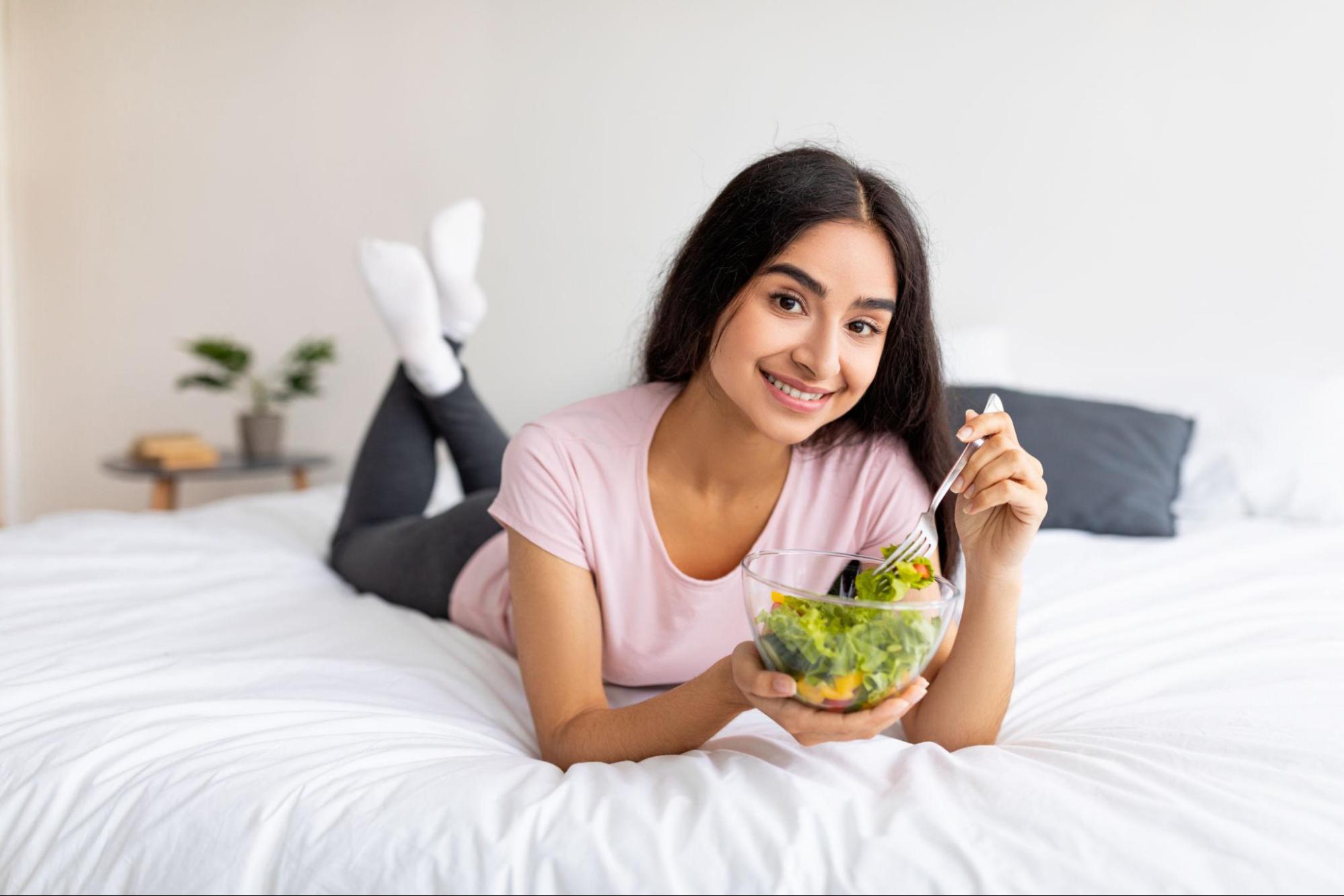
Fasting works best when paired with balanced nutrition.
Focus On:
- Protein-rich foods
- Fiber
- Healthy fats
- Fruits and vegetables
- Traditional Indian whole foods
Great Indian Meal Options:
- Dal + vegetables + roti
- Millet bowls
- Paneer or eggs
- Dahi (curd)
- Nuts and seeds
Common Mistakes Women Make With Intermittent Fasting
- Skipping Nutrition – Fasting is not starvation.
- Overeating Junk Food Later – Poor food quality reduces benefits.
- Starting Too Aggressively – Long fasting windows may increase stress.
- Ignoring Sleep – Poor sleep can worsen cravings and energy crashes.
Sample Beginner-Friendly Routine
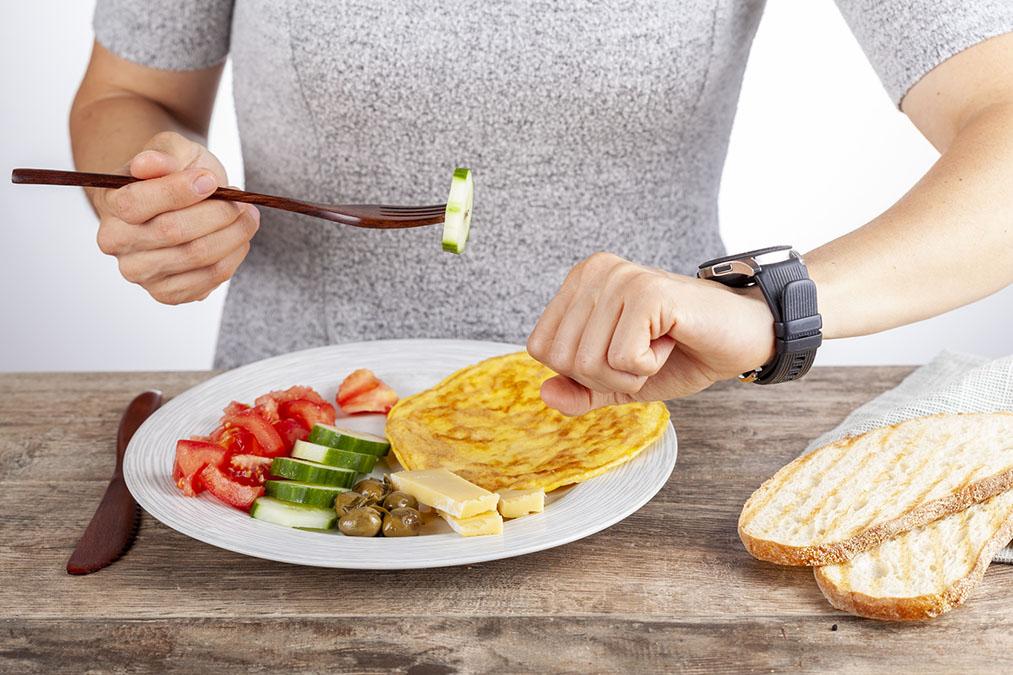
Morning
- Water or herbal tea
- Light movement or walk
First Meal (12 PM)
- Protein + fiber-rich meal
Afternoon
- Fruits or nuts
Evening Meal
- Balanced dinner before 8 PM
Mental Health & Fasting
Fasting should not become:
- Obsession
- Extreme restriction
- Punishment
Healthy wellness habits should support:
- Physical health
- Emotional balance
- Sustainable living
Traditional Indian Eating Wisdom
Interestingly, many traditional Indian practices already supported healthier eating patterns:
- Early dinners
- Seasonal fasting
- Homemade meals
- Simpler eating habits
Building a Sustainable Wellness Routine
Intermittent fasting works best alongside:
- Good sleep
- Stress management
- Exercise
- Balanced meals
- Hydration
Final Thoughts
Intermittent fasting can be a useful wellness tool for some Indian women when approached carefully and sustainably.
The goal should not be:
- Extreme restriction
- Rapid weight loss
- Perfection
Instead, focus on:
- Better eating awareness
- Balanced routines
- Long-term consistency
Conclusion
The science of intermittent fasting continues to evolve, and many women are exploring it for better health and lifestyle balance.
When combined with:
- Nutritious Indian meals
- Good sleep
- Stress management
- Moderate routines
