Introduction: The Overlooked Health Issue Impacting Millions
Iron deficiency is one of the most widespread nutritional issues impacting women across the United States and other Western countries.
Even in 2026, despite rising awareness about fitness and wellness, many women still notice symptoms such as:
- Constant fatigue
- Weakness
- Hair loss
- Dizziness
- Low energy
- Difficulty concentrating
Many women don’t realize these issues may be linked to low iron levels.
Iron deficiency can affect anyone—teenagers, professionals, mothers, athletes, and pregnant women—and frequently goes unnoticed for years.
- Why iron deficiency is frequent among American women
- Key signs and causes
- Best iron-rich foods for a Western diet
- Practical ways to boost iron levels naturally
What is Iron and Why is It Important?
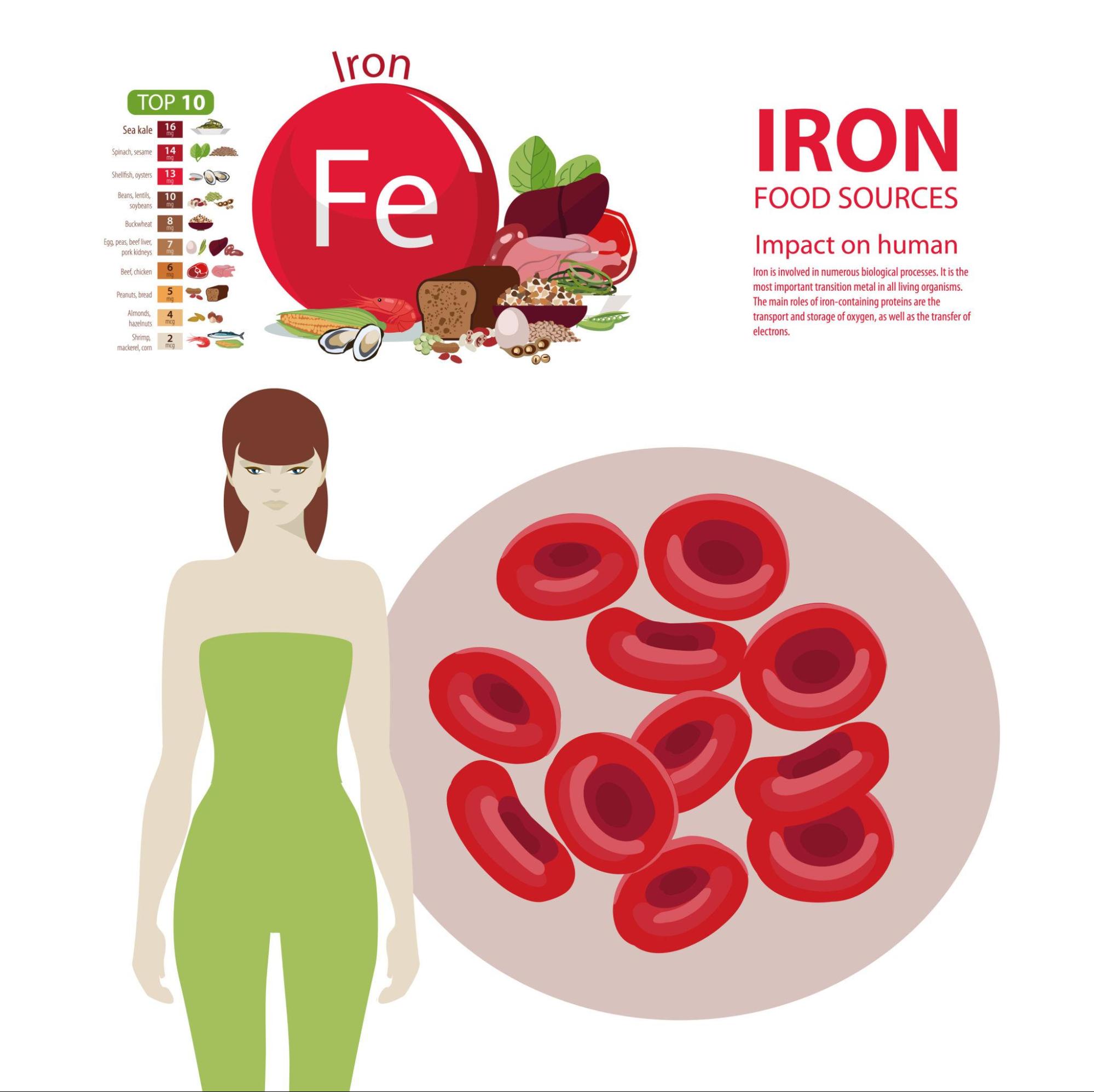
Iron is a vital mineral helping your body produce hemoglobin—the component in red blood cells that carries oxygen throughout your body.
Without enough iron, the body struggles to deliver oxygen efficiently. This can lead to:
- Fatigue
- Weakness
- Weakened immune system
- Difficulty focusing (“brain fog”)
Why Are American Women More Prone to Iron Deficiency?
A mix of lifestyle and dietary choices may contribute to iron deficiency among women in the US and other Western countries.
1. Menstruation
Women lose blood every month during their periods, which can lower iron levels. Heavy menstrual bleeding raises the risk even more.
2. Low Iron Intake
Many American diets are rich in processed foods but lower in iron-rich options and high-quality protein—especially for busy, on-the-go women.
3. Vegetarian & Vegan Diets
Plant-based diets can be very healthy but plant-derived sources of iron (non-heme iron) are not as easily absorbed as animal sources.
4. Pregnancy & Motherhood
Pregnancy dramatically increases the need for iron. Many women remain low on iron even after giving birth due to depletion and a lack of adequate recovery nutrition.
5. Poor Absorption
Even if you consume enough iron, your body may not absorb it efficiently for reasons such as:
- Drinking too much coffee or tea
- Poor gut health
- Other vitamin & mineral imbalances
Common Symptoms of Iron Deficiency
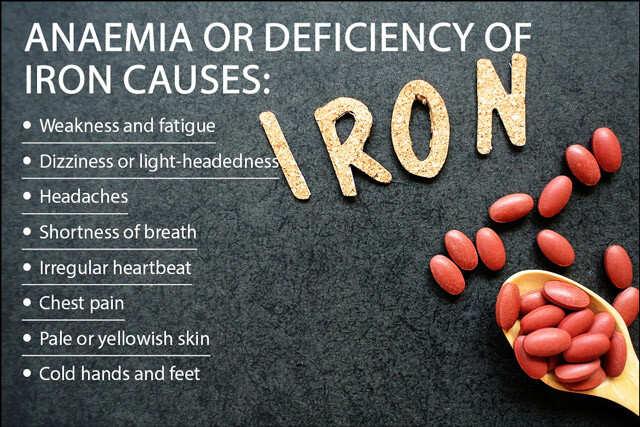
Warning Signs:
- Constant tiredness
- Pale skin
- Hair thinning or loss
- Brittle nails
- Dizziness
- Shortness of breath
- Difficulty focusing
Best Iron-Rich Foods for Women in the US
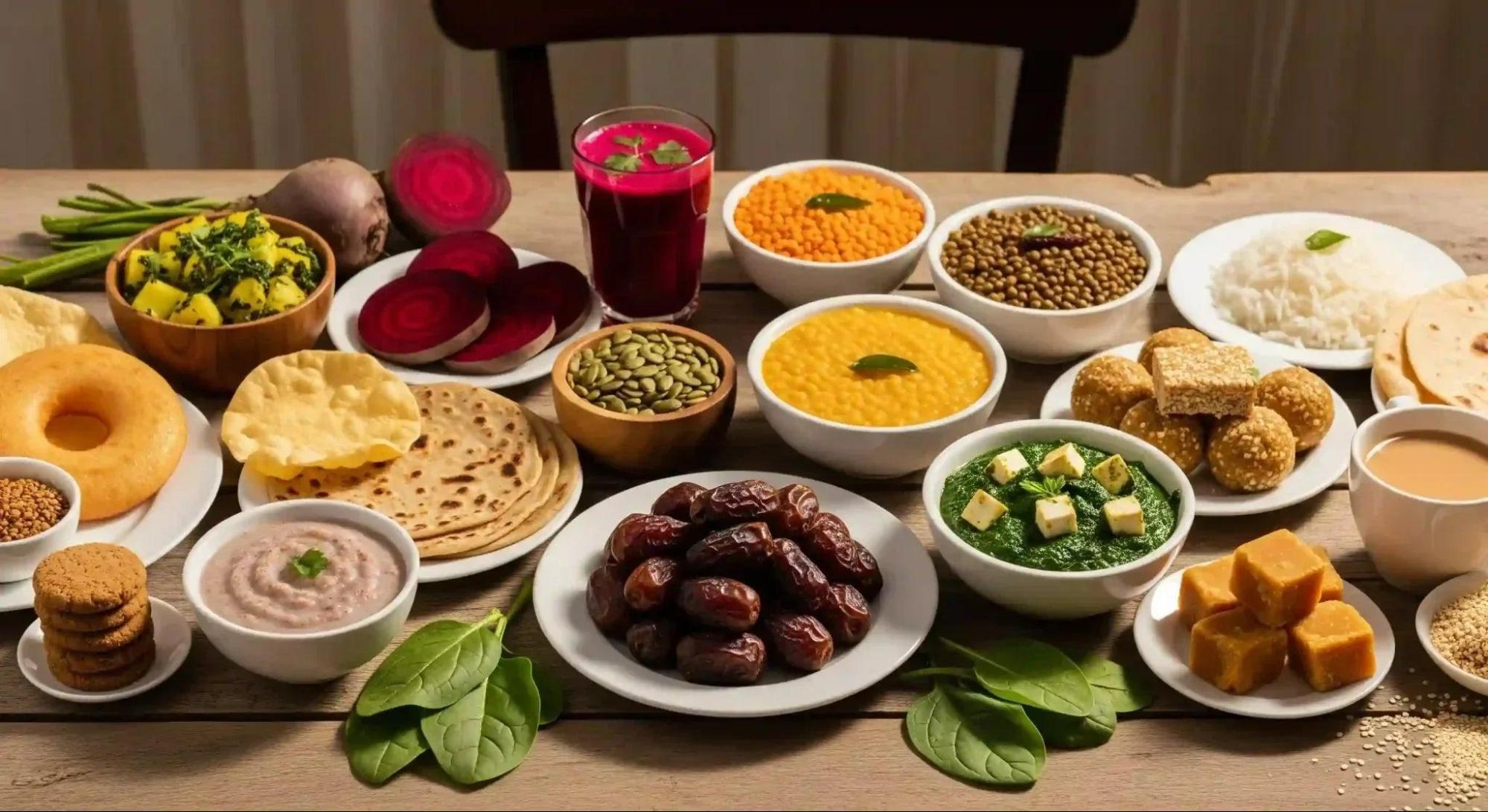
Top Plant-Based Iron Sources
Leafy Greens
- Spinach
- Kale
- Swiss chard
Beans & Legumes
- Lentils
- Black beans
- Chickpeas
Other Good Sources
- Tofu
- Pumpkin seeds
- Fortified cereals or oatmeal
- Dried apricots & raisins
- Quinoa
Animal-Based Iron Sources
- Eggs
- Beef
- Poultry (chicken, turkey)
- Fish (salmon, tuna)
- Liver
How to Boost Iron Absorption the Right Way
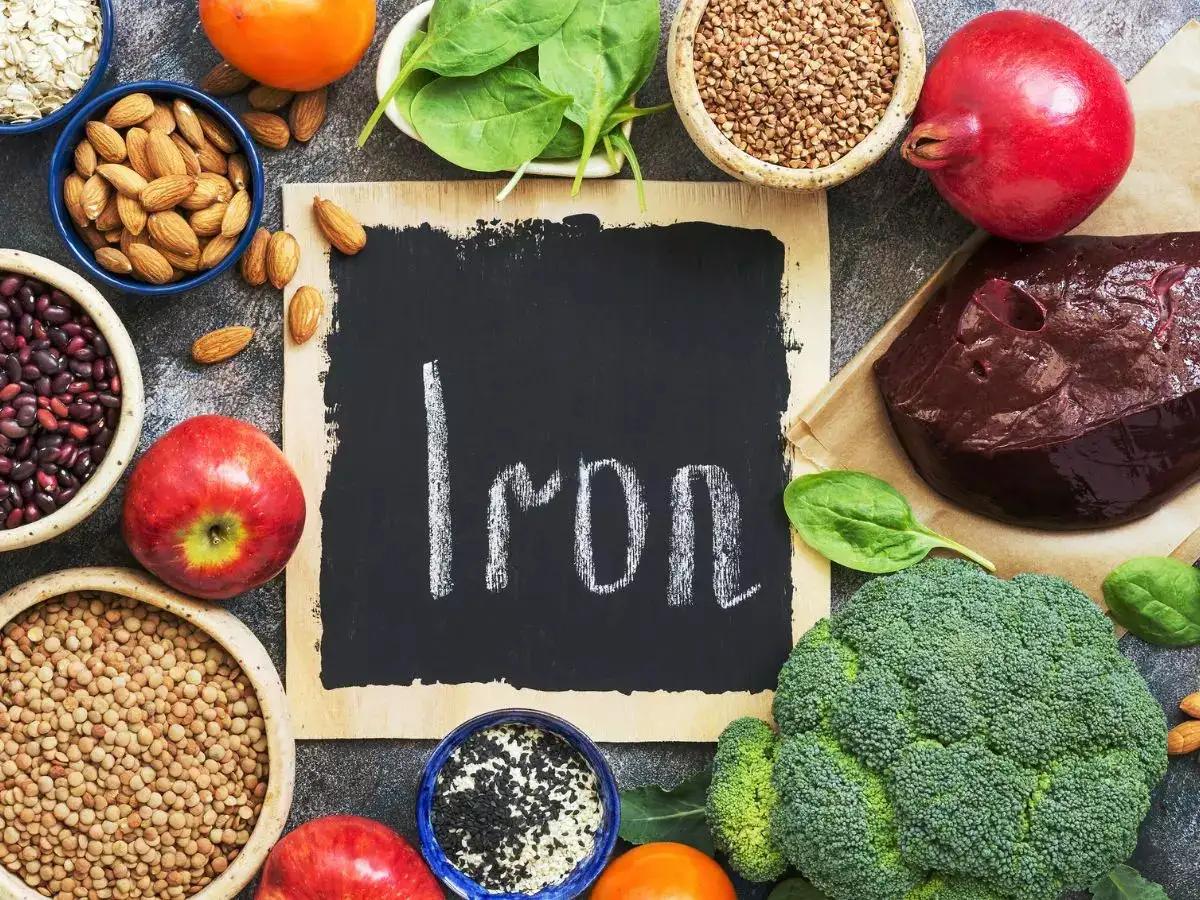
Consuming iron-rich foods is key—but so is how you eat them.
Pair Iron With Vitamin C
Vitamin C can dramatically improve how well your body absorbs iron!
Great Combinations:
- Lentil soup + bell peppers
- Spinach salad + strawberries or oranges
- Fortified cereal + orange juice
Avoid Coffee/Tea Right After Meals
Caffeine can reduce iron absorption. It’s best to leave a gap after meals before your coffee or tea.
Lifestyle Habits for Better Iron Levels
- Eat Balanced Meals—Include enough protein, fiber, and iron-rich foods daily.
- Cultivate Gut Health—A healthy gut absorbs nutrients more effectively.
- Prioritize Good Sleep—Rest is crucial for recovery and hormone balance.
- Avoid Fad Diets—Trendy or extreme diets may worsen nutrient deficiencies.
When Should You Get Tested?
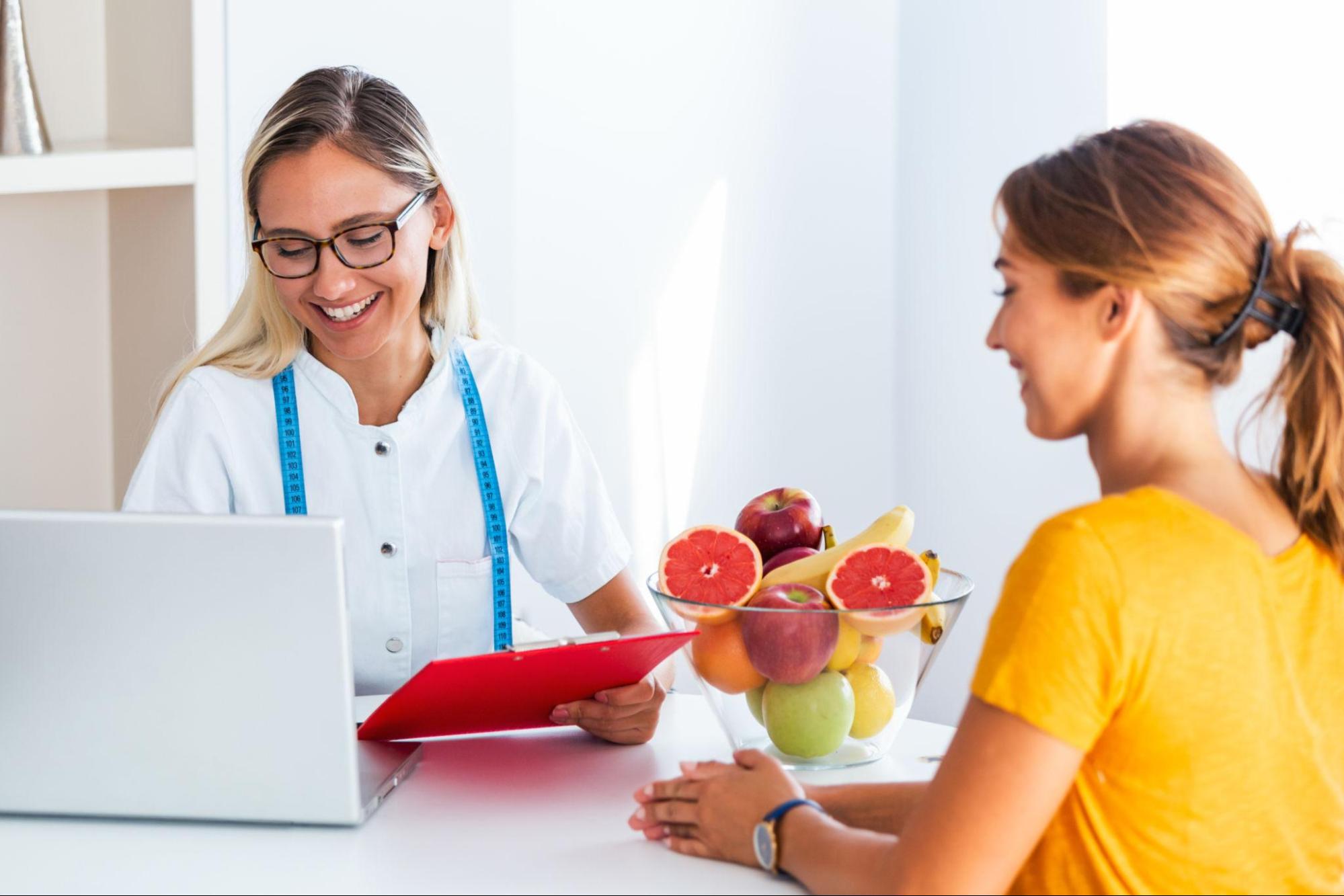
Consider speaking with your physician about testing if you often experience:
- Extreme tiredness
- Heavy periods
- Hair loss
- Weakness
Common blood tests include:
- Hemoglobin
- Ferritin
- Complete iron profile
Can Supplements Help?
Sometimes, food alone isn’t enough. Healthcare professionals may recommend:
- Iron supplements
- Nutritional support plans
- Adjustments in lifestyle and diet
Iron and Your Mental Health
Iron status doesn’t just shape your energy levels—it can influence your mind too.
Low iron has been linked to:
- Mood changes
- Cognitive focus issues
- General emotional well-being
Example of an Iron-Boosting Daily Routine
- Morning: Oatmeal with raisins and a glass of orange juice
- Breakfast: Scrambled eggs with sautéed spinach and tomatoes
- Lunch: Chicken or lentil salad with kale and bell peppers
- Snack: Apple slices with peanut butter or trail mix including seeds
- Dinner: Grilled salmon or tofu with broccoli and quinoa
Final Thoughts
Iron deficiency is all too common among American women, but it is preventable and treatable with the right awareness, nutrition, and lifestyle adjustments.
The key isn’t chasing quick fixes or supplement fads. It’s about:
- Consistent, nourishing meals
- Better food combinations for absorption
- Balanced and healthy living
- Regular wellness checkups
Conclusion
Iron deficiency affects millions of American women quietly—impacting energy, confidence, and well-being.
By prioritizing:
- Iron-rich foods
- Smart absorption strategies
- Healthy routines
- Professional guidance where needed