

Many people reach their mid-30s and begin noticing subtle but frustrating physical changes.
Weight becomes easier to gain and harder to lose. Energy fluctuates more. Recovery slows down. Sleep feels more
important. Muscle tone changes. Stress impacts the body more noticeably. And many start wondering:
“Has my metabolism slowed down?”
In 2026, metabolism remains one of the most misunderstood topics in health and wellness.
Social media often reduces metabolism to simplistic ideas about:
- “Fast” vs “slow” metabolisms
- Fat-burning hacks
- Miracle supplements
- Extreme dieting
But metabolism is far more complex than most online wellness content suggests.
Modern research shows that metabolism is influenced by multiple interconnected factors, including:
- Muscle mass
- Hormones
- Sleep
- Physical activity
- Nutrition
- Stress
- Aging
- Body composition
The important reality is this:
While metabolism does change gradually with age, many of the most significant shifts after 35 are heavily
influenced by lifestyle and body composition -not simply aging alone.
Understanding those changes can help people adapt more effectively rather than feeling trapped by them.
What Is Metabolism, Really?
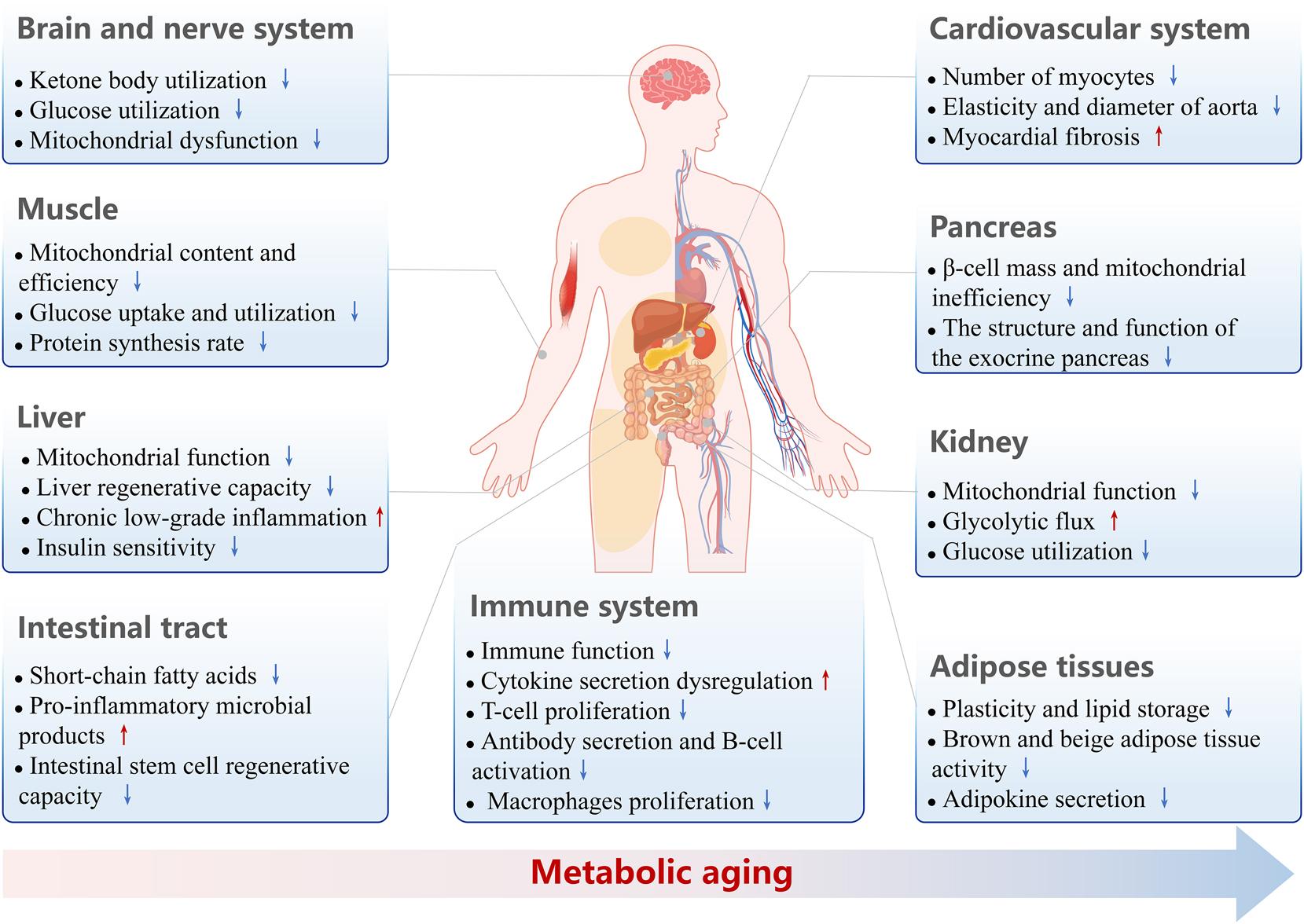
Metabolism refers to all the chemical processes the body uses to:
- Produce energy
- Maintain life
- Repair tissues
- Support organ function
- Regulate body systems
When people discuss metabolism casually, they are often referring to:
Basal metabolic rate (BMR)
This is the amount of energy the body uses at rest simply to stay alive.
Metabolism is influenced by:
- Muscle mass
- Organ activity
- Body size
- Genetics
- Hormones
- Physical activity
It is not controlled by a single “metabolism switch.”
Does Metabolism Actually Slow After 35?
The answer is nuanced.
Some research suggests metabolism remains relatively stable through much of adulthood before declining more
noticeably later in life.
However, many adults experience metabolic changes earlier because of gradual lifestyle and body composition
shifts such as:
- Muscle loss
- Reduced activity
- Increased stress
- Poor sleep
- Hormonal changes
These factors may create the feeling of a “slower metabolism” even before major age-related metabolic decline
occurs.
Muscle Loss Plays a Major Role
One of the biggest metabolic shifts after 35 involves gradual loss of muscle mass.
Without resistance training and adequate protein intake, adults naturally lose muscle over time -a process
called:
Sarcopenia
Because muscle tissue is metabolically active, losing muscle may reduce total daily energy expenditure.
This is one reason body composition matters more than body weight alone.
Two individuals at the same weight may have very different metabolic health depending on:
- Muscle mass
- Fat distribution
- Activity levels
Hormones Begin Changing Too

Hormonal changes also influence metabolism during midlife.
For women, perimenopause and menopause may affect:
- Fat distribution
- Insulin sensitivity
- Recovery
- Appetite regulation
For men, gradual testosterone decline may influence:
- Muscle maintenance
- Energy
- Body composition
Stress hormones such as cortisol may also affect:
- Fat storage
- Hunger signals
- Sleep quality
- Recovery
Hormones do not completely determine metabolism, but they strongly influence how the body responds to lifestyle
factors.
Sleep Affects Metabolism More Than People Realize
One of the most underestimated metabolic factors is sleep.
Chronic poor sleep may influence:
- Hunger hormones
- Blood sugar regulation
- Energy levels
- Recovery
- Cravings
- Stress responses
Sleep deprivation may increase:
- Appetite
- Preference for high-calorie foods
- Fatigue-related inactivity
Modern lifestyles often combine:
- Chronic stress
- Screen exposure
- Work overload
- Irregular sleep patterns
which can significantly affect metabolic health over time.
Stress and Modern Lifestyle Matter
Modern adults frequently operate under chronic low-grade stress.
Financial pressure, work demands, caregiving responsibilities, digital overload, and constant stimulation all
affect nervous system regulation.
Chronic stress may contribute to:
- Emotional eating
- Poor recovery
- Sleep disruption
- Reduced exercise consistency
- Increased abdominal fat storage
The body’s stress response evolved for short-term survival, not continuous activation.
This is one reason metabolism cannot be separated from overall lifestyle health.
Crash Dieting Can Make Things Worse

One common mistake people make after 35 is responding to metabolic changes with extreme dieting.
Severe calorie restriction may lead to:
- Muscle loss
- Fatigue
- Hormonal stress
- Reduced energy expenditure
- Increased rebound weight gain risk
The body often adapts to prolonged under-eating by conserving energy more aggressively.
This is one reason sustainable approaches generally work better long term than repeated crash dieting cycles.
Strength Training Is One of the Best Metabolic Tools
Modern metabolic health research increasingly emphasizes resistance training.
Strength training helps support:
- Muscle maintenance
- Insulin sensitivity
- Bone health
- Functional strength
- Long-term metabolic resilience
Exercises involving resistance -such as:
- Squats
- Lunges
- Deadlifts
- Rows
- Push movements
can help preserve lean mass during aging.
Strength training is increasingly viewed as preventive medicine rather than only a fitness activity.
Protein Becomes More Important
Adequate protein intake becomes increasingly important after 35 because it supports:
- Muscle repair
- Recovery
- Satiety
- Metabolic health
Many adults unintentionally under-consume protein, especially during weight-loss attempts.
Protein-rich meals may also help support blood sugar stability and appetite regulation.
Walking and Daily Movement Still Matter
Exercise is not only about intense workouts.
Daily movement strongly influences:
- Energy expenditure
- Blood sugar regulation
- Cardiovascular health
- Recovery
Walking remains one of the most underrated metabolic health tools.
Consistent daily movement often matters more long term than occasional extreme exercise sessions.
Gut Health and Metabolism

Researchers increasingly study links between:
- Gut microbiome diversity
- Metabolic function
- Inflammation
- Appetite regulation
Diet quality strongly affects both gut and metabolic health.
Fiber-rich foods, plant diversity, and minimally processed nutrition patterns may better support long-term
metabolic function compared to highly processed diets.
Alcohol and Ultra-Processed Foods
As people age, the body often becomes less resilient to:
- Excess alcohol
- Poor sleep
- Highly processed foods
Recovery slows down, and inflammation or blood sugar instability may become more noticeable.
This does not mean perfect eating is required.
But consistency increasingly matters more than short-term “health kicks.”
What Actually Helps Support Metabolism After 35?
1. Strength Training
Helps preserve muscle and metabolic function.
2. Protein Intake
Supports recovery and lean mass maintenance.
3. Sleep Quality
Improves hormonal and appetite regulation.
4. Stress Management
Supports nervous system and recovery balance.
5. Daily Movement
Walking and physical activity improve overall metabolic health.
6. Sustainable Nutrition
Whole-food-based eating patterns generally support long-term health more effectively than restrictive
dieting.
The “Metabolism Hack” Industry Problem

Modern wellness culture often promotes:
- Fat burners
- Detoxes
- Metabolism boosters
- Extreme fasting
- Quick-fix supplements
Most have limited evidence compared to foundational lifestyle habits.
There is no magical shortcut that overrides:
- Sleep deprivation
- Chronic stress
- Sedentary behavior
- Muscle loss
- Poor nutrition
The body’s metabolism is adaptive and highly complex.
The Future of Metabolic Health
Researchers continue studying:
- Personalized nutrition
- Hormonal metabolism
- Gut microbiome science
- Longevity medicine
- Muscle preservation
- AI-driven health tracking
Future approaches may become increasingly individualized based on genetics, lifestyle, biomarkers, and metabolic
responses.
However, the core principles of healthy metabolism remain surprisingly consistent.
Final Thoughts
Metabolism after 35 does change -but not always dramatically or hopelessly social media often suggests.
Many of the biggest metabolic shifts are strongly connected to:
- Muscle loss
- Reduced movement
- Poor sleep
- Chronic stress
- Hormonal transitions
- Lifestyle patterns
The encouraging reality is that many of these factors are modifiable.
Healthy metabolism is less about chasing “fat-burning hacks” and more about supporting the body through:
- Strength training
- Recovery
- Sleep
- Nutrition
- Daily movement
- Long-term consistency
Aging may change the body, but it does not automatically eliminate the ability to build
strength, energy, resilience, and metabolic health over time.
