

The Gut-Skin Axis: How Fixing Your Gut Clears Your Skin
For many years, skincare conversations focused almost entirely on external treatments. Creams, cleansers, serums, facials, and cosmetic products dominated the beauty and dermatology industries.
While these products can absolutely help certain skin concerns, modern research is increasingly revealing that skin health is influenced by far more than what people apply topically.
In 2026, one of the biggest developments in wellness and dermatology is growing interest in the gut-skin axis—the complex relationship between digestive health, inflammation, the microbiome, immune function, and skin appearance.
Researchers are increasingly studying how gut health may influence conditions such as:
- Acne
- Eczema
- Rosacea
- Psoriasis
- Skin inflammation
- Premature aging
Gut health does appear connected to skin health, but skincare is also influenced by hormones, genetics, stress, sleep, environment, nutrition, and medical conditions.
What Is the Gut-Skin Axis?
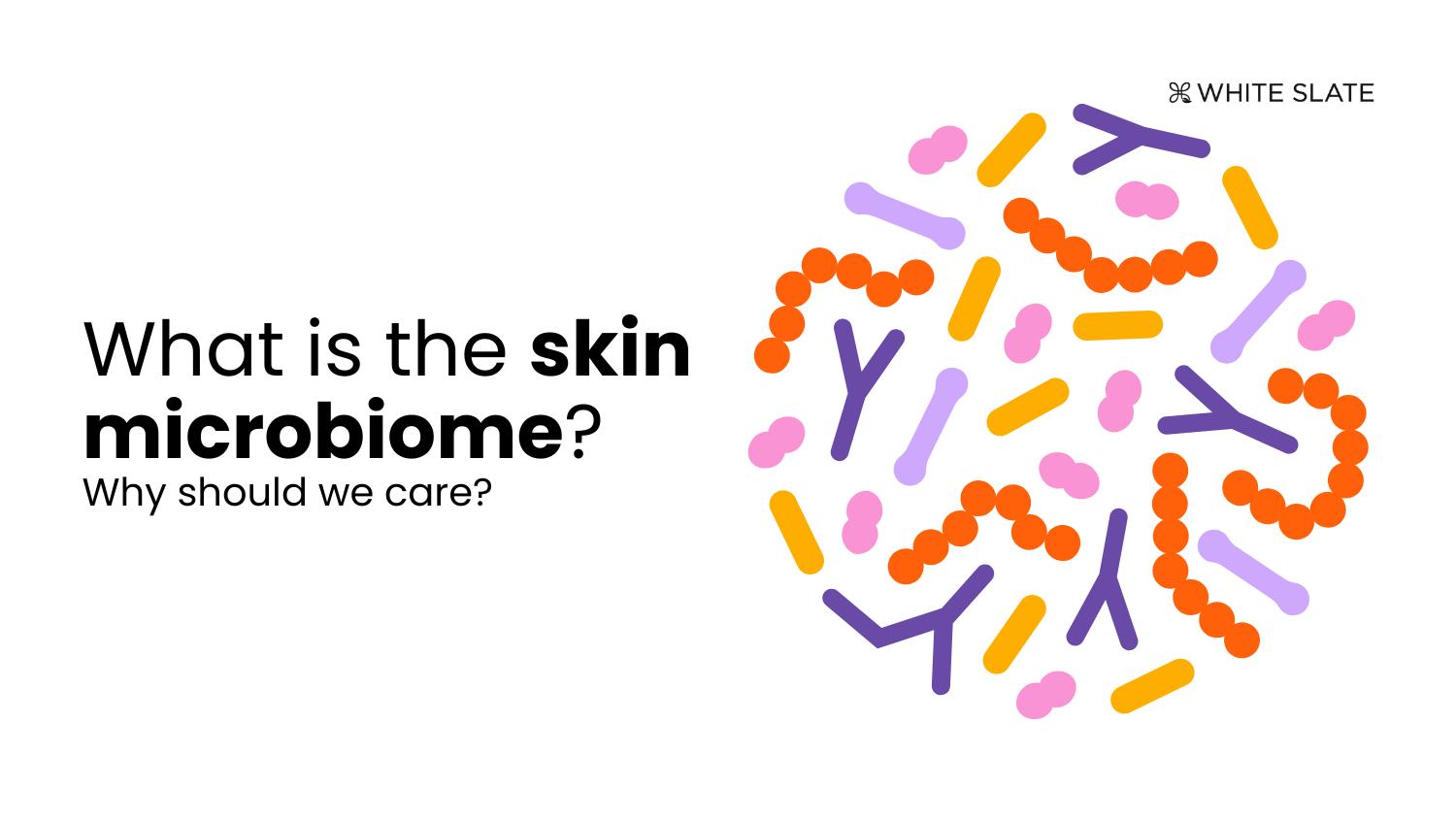
The gut-skin axis refers to the biological connection between:
- The digestive system
- The gut microbiome
- The immune system
- Skin health
The gut microbiome consists of trillions of microorganisms living in the digestive tract.
Researchers increasingly believe these microbes influence:
- Inflammation
- Immune responses
- Nutrient absorption
- Hormonal activity
- Metabolic health
Why Inflammation Matters
One of the strongest links between gut health and skin involves inflammation.
When gut function becomes disrupted—sometimes called gut dysbiosis—inflammatory signaling in the body may increase.
Researchers are studying how this may contribute to:
- Acne flare-ups
- Eczema severity
- Rosacea inflammation
- Skin sensitivity
Factors that may negatively affect gut health include:
- Highly processed diets
- Chronic stress
- Sleep disruption
- Excess alcohol
- Certain medications
- Low-fiber diets
Acne and Gut Health
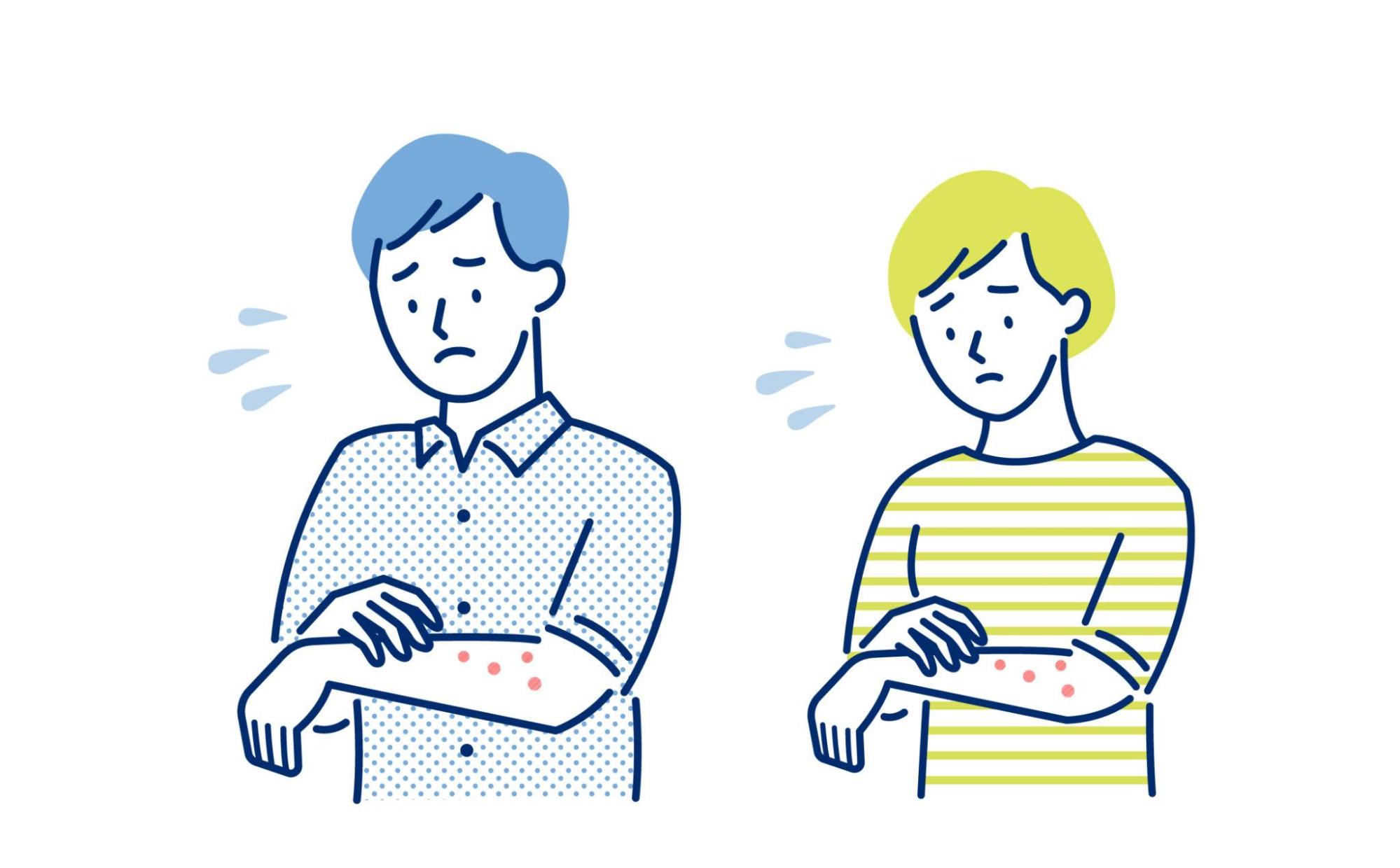
Acne is one of the most commonly discussed conditions related to the gut-skin axis.
While acne is influenced heavily by hormones, oil production, genetics, bacteria, and inflammation, researchers increasingly explore whether gut microbiome imbalances may also contribute in some individuals.
Some studies suggest people with acne may experience:
- Altered gut microbiome diversity
- Increased inflammatory markers
- Digestive disturbances
The Stress-Gut-Skin Connection
Stress strongly affects both digestion and skin health.
Chronic stress may influence:
- Gut microbiome balance
- Cortisol levels
- Inflammation
- Skin barrier function
This helps explain why stressful periods often trigger breakouts, eczema flare-ups, and increased skin sensitivity.
What About Eczema and Rosacea?
Inflammatory skin conditions such as eczema and rosacea are also being studied in relation to gut health.
Researchers continue investigating possible links involving:
- Immune dysregulation
- Microbiome diversity
- Inflammatory signaling
- Food sensitivities in some individuals
However, these conditions remain medically complex and often require individualized care.
The Role of Diet

Diet is one of the biggest factors influencing both gut and skin health.
Current evidence generally supports eating patterns rich in:
- Fiber
- Fruits
- Vegetables
- Whole foods
- Omega-3 fats
- Fermented foods
Meanwhile, diets dominated by highly processed foods, excess sugar, and heavy alcohol intake may negatively affect both metabolic and inflammatory health.
Do Probiotics Help Skin?
Probiotics are among the most discussed gut-skin interventions.
Some studies suggest certain probiotic strains may help support:
- Inflammatory regulation
- Gut barrier function
- Immune balance
Researchers continue exploring probiotic use for acne, eczema, and rosacea.
The “Leaky Gut” Debate
Social media wellness culture frequently discusses “leaky gut” as the root cause of many health problems.
In medical science, increased intestinal permeability is a real phenomenon studied in certain conditions.
Why Sleep and Stress Matter for Skin Too
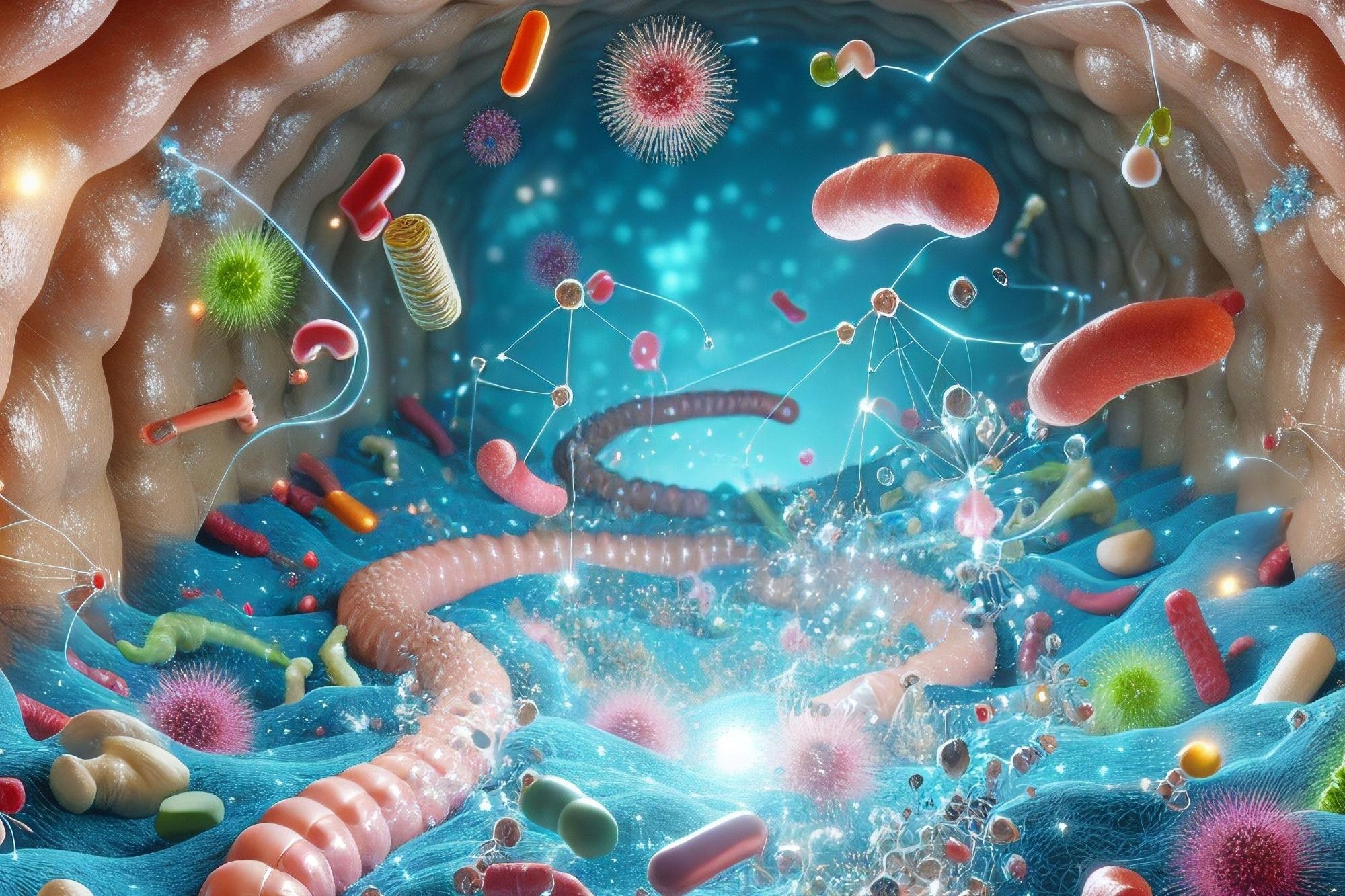
People often focus only on diet while ignoring:
- Sleep
- Stress
- Nervous system health
Poor sleep and chronic stress may worsen:
- Inflammation
- Hormonal regulation
- Skin repair
- Immune balance
When Skin Problems Need Medical Care
Some skin conditions require proper medical evaluation rather than only wellness experimentation.
Persistent or severe symptoms may involve:
- Hormonal disorders
- Autoimmune conditions
- Allergies
- Infections
- Dermatological diseases
The Rise of Holistic Dermatology
One major shift in modern skin health is greater integration between:
- Dermatology
- Nutrition
- Mental health
- Gut health
- Lifestyle medicine
Researchers increasingly recognize that skin reflects broader internal health patterns.
Future skincare approaches may become more personalized through:
- Microbiome research
- Nutrition analysis
- Hormonal evaluation
- AI-driven health insights
Final Thoughts

The gut-skin axis is one of the most fascinating and rapidly evolving areas of modern wellness and dermatology.
Research increasingly suggests that gut health, inflammation, microbiome balance, stress, and nutrition may influence skin conditions in important ways.
For some individuals, improving:
- Diet quality
- Fiber intake
- Sleep
- Stress management
- Overall gut health
may help support clearer and healthier skin.
