
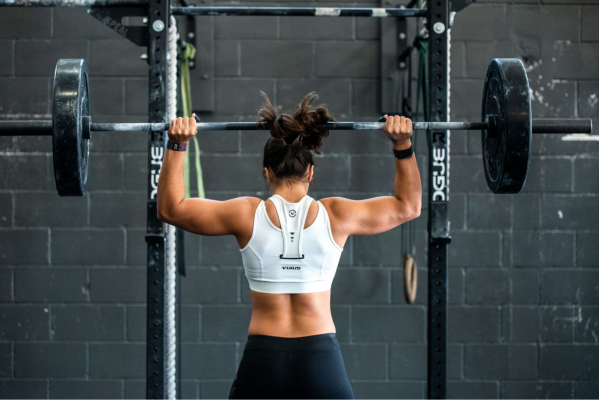
For many years, women were often encouraged to approach fitness cautiously.
Cardio workouts, calorie burning, and “getting toned” dominated mainstream wellness messaging, while heavy strength training was frequently viewed as something primarily for athletes, bodybuilders, or younger men.
In 2026, that mindset is changing rapidly.
Its benefits extend far beyond appearance and include metabolism, bone health, hormonal balance, mobility, mental resilience, and long-term longevity.
As women enter perimenopause and menopause, physiological changes can accelerate:
- Muscle loss
- Bone density decline
- Metabolic slowdown
- Insulin resistance
- Fat accumulation
- Reduced recovery capacity
The goal is no longer simply becoming smaller or lighter. Increasingly, the focus is becoming stronger, more resilient, and metabolically healthier for the decades ahead.
Why Muscle Matters More After 40
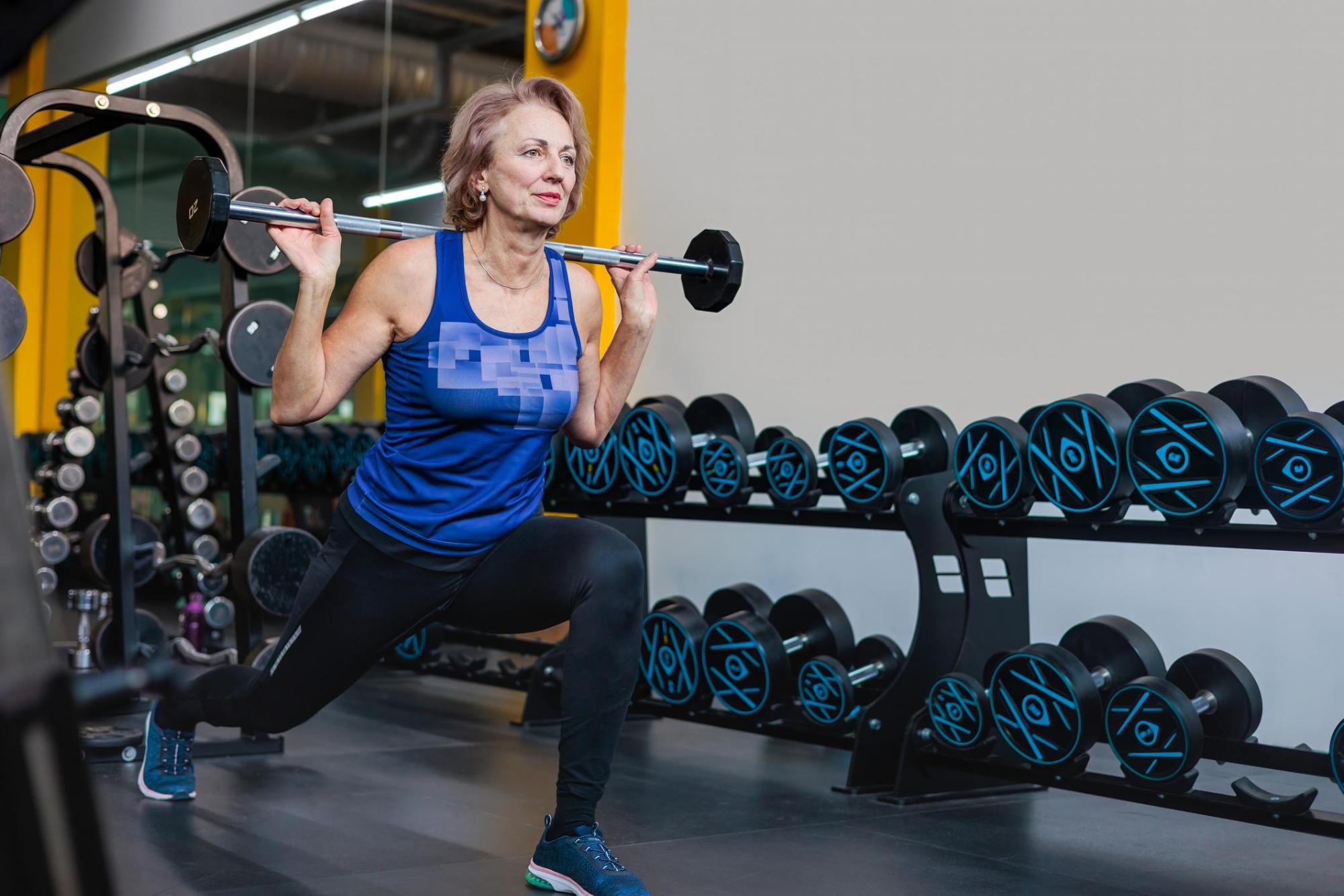
One of the biggest physical changes associated with aging is the gradual loss of muscle mass, known as sarcopenia.
Without resistance training and adequate nutrition, adults naturally lose muscle over time.
For women, this process often accelerates during and after menopause due partly to hormonal changes involving:
- Estrogen
- Progesterone
- Testosterone
Loss of muscle mass affects far more than physical appearance.
Muscle supports:
- Metabolism
- Blood sugar regulation
- Strength
- Balance
- Mobility
- Bone protection
- Long-term independence
The Metabolism Myth
Many women notice that maintaining body composition becomes more difficult after 40, even when eating and exercise habits remain similar.
Several factors contribute:
- Hormonal shifts
- Reduced muscle mass
- Sleep disruption
- Chronic stress
- Lower overall activity levels
Muscle tissue is metabolically active, meaning it helps the body use energy more efficiently.
Strength training can support:
- Lean body composition
- Insulin sensitivity
- Energy expenditure
- Long-term metabolic health
Bone Health Becomes Critical During Menopause
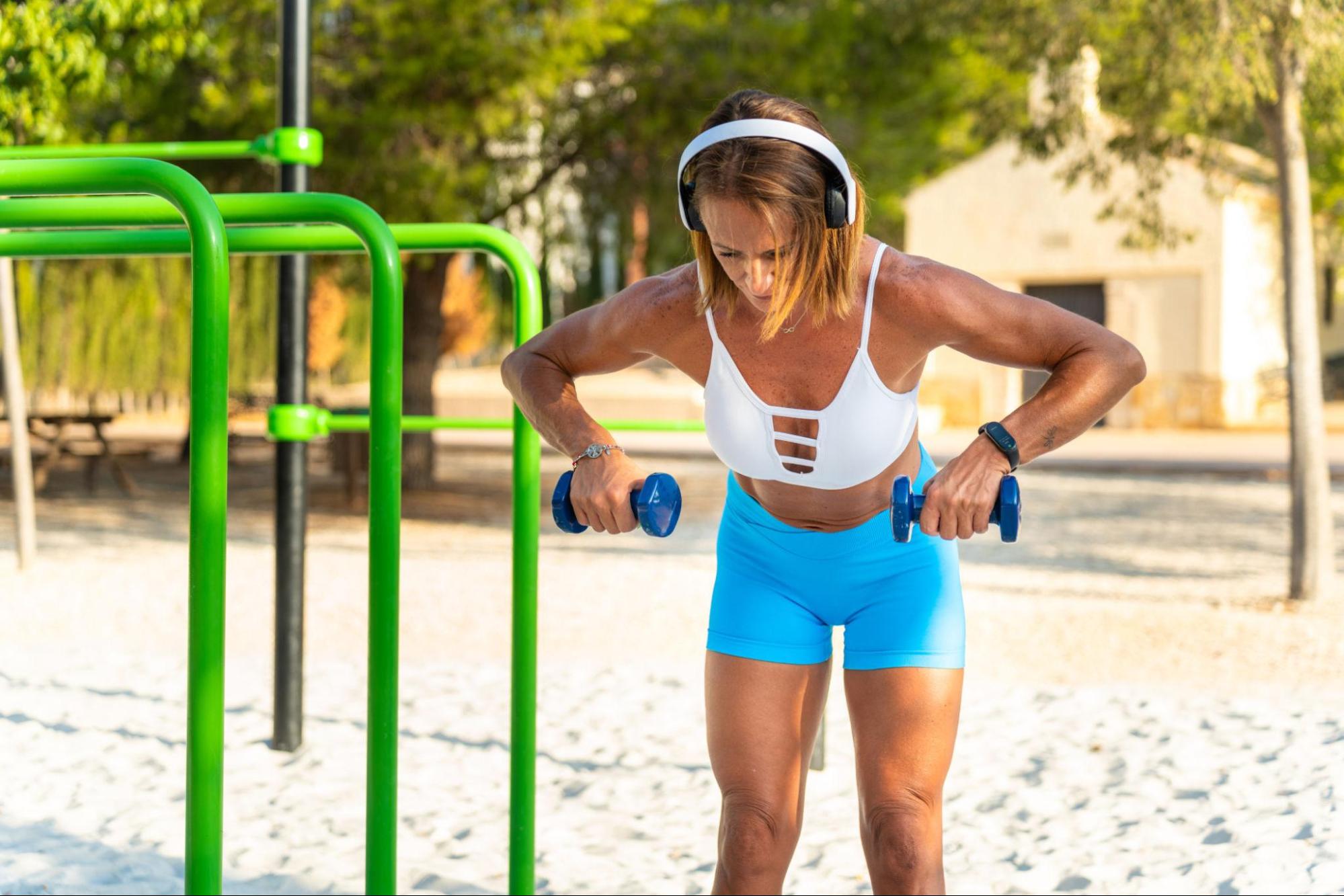
Another major reason strength training matters after 40 involves bone density.
Women experience increased osteoporosis risk during and after menopause because declining estrogen affects bone maintenance.
Weak bones increase risks of:
- Fractures
- Falls
- Mobility limitations
- Loss of independence later in life
Weight-bearing resistance training helps stimulate bone remodeling and strength.
Exercises such as:
- Squats
- Deadlifts
- Lunges
- Loaded carries
- Resistance machines
can support stronger bones over time when performed safely and consistently.
Lifting Heavy Does Not “Bulk Women Up”
One of the most persistent myths in women’s fitness is the fear of becoming excessively muscular from lifting weights.
In reality, most women do not naturally produce the hormone levels required to build large bodybuilder-style muscle mass without highly specialized training and nutrition.
Instead, strength training typically helps women:
- Build lean muscle
- Improve body composition
- Increase definition
- Enhance posture
- Improve physical confidence
Why Cardio Alone Is Often Not Enough
Cardiovascular exercise remains valuable for:
- Heart health
- Endurance
- Mood
- General fitness
However, relying only on cardio may not adequately address:
- Muscle preservation
- Bone density
- Functional strength
- Long-term metabolic resilience
Strength Training Supports Hormonal and Metabolic Health
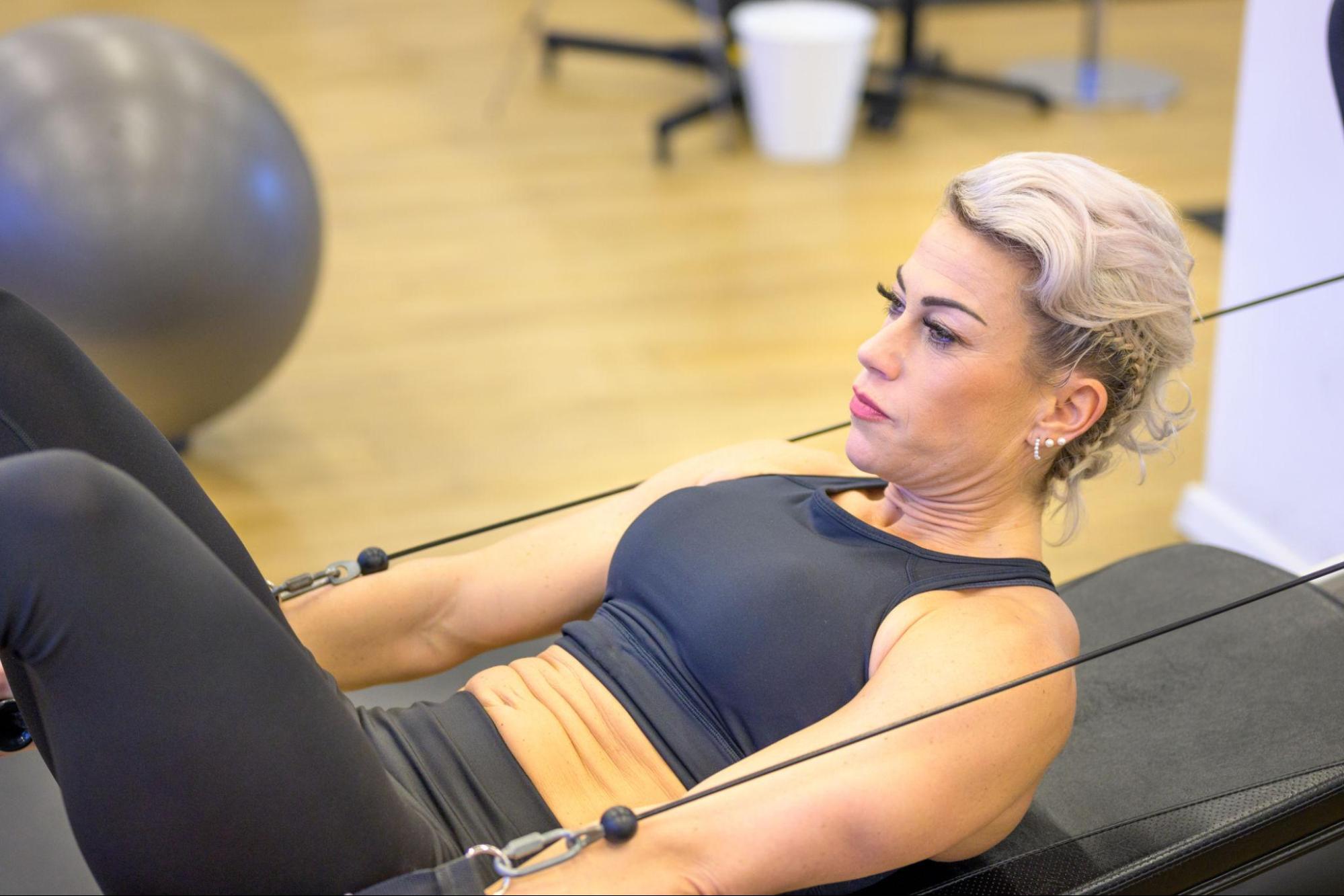
Resistance training may help improve:
- Insulin sensitivity
- Blood sugar control
- Stress resilience
- Sleep quality
- Energy levels
This becomes particularly important during midlife transitions when many women experience:
- Increased abdominal fat
- Energy fluctuations
- Recovery challenges
- Mood instability
The Mental and Emotional Benefits
Strength training affects far more than physical health.
Many women report improvements in:
- Confidence
- Stress management
- Mood
- Emotional resilience
- Self-image
Lifting weights often creates a shift from focusing purely on appearance toward appreciating:
- Capability
- Strength
- Progress
- Functional health
Functional Strength Matters for Long-Term Independence
One of the most overlooked benefits of strength training is preserving functional ability later in life.
Strength supports everyday activities such as:
- Carrying groceries
- Climbing stairs
- Lifting children or grandchildren
- Maintaining balance
- Preventing falls
Nutrition Matters Too
Strength training after 40 works best when supported by adequate nutrition.
Protein becomes especially important for:
- Muscle repair
- Recovery
- Lean mass preservation
Experts increasingly recommend focusing on:
- Protein intake
- Whole foods
- Fiber
- Hydration
- Recovery nutrition
Recovery and Sleep Become More Important
As recovery capacity changes with age, women often benefit from balancing:
- Intensity
- Recovery
- Sleep
- Stress management
Overtraining combined with poor sleep and chronic stress can increase fatigue and injury risk.
How to Start Strength Training Safely
Women new to resistance training do not need extreme workouts immediately.
A sustainable starting point may include:
- 2–4 weekly strength sessions
- Basic compound exercises
- Progressive overload gradually over time
- Proper technique instruction
- Adequate recovery
Working with qualified trainers or healthcare professionals can help adapt programs appropriately for:
- Fitness level
- Injury history
- Mobility
- Menopause status
- Health conditions
The Shift Away From “Anti-Aging” Toward Healthy Aging
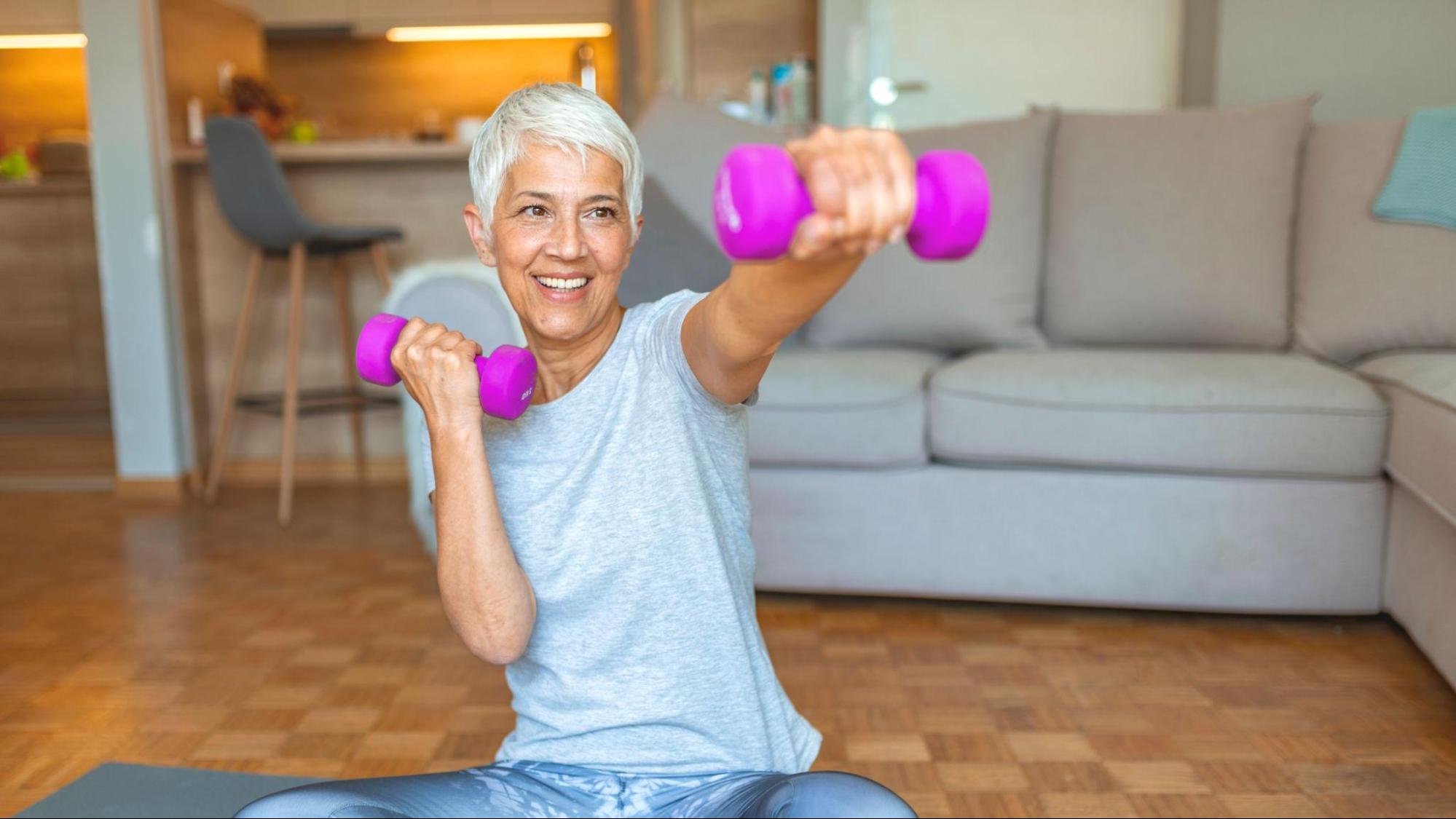
Modern women’s fitness is increasingly moving away from unrealistic “anti-aging” messaging.
Instead, many experts now focus on:
- Strength
- Energy
- Mobility
- Resilience
- Longevity
- Functional health
Final Thoughts
Strength training after 40 is no longer simply a fitness trend — it is increasingly recognized as one of the most effective tools for supporting long-term women’s health.
Resistance training helps address many physiological shifts associated with aging and menopause, including:
- Muscle loss
- Bone density decline
- Metabolic slowdown
- Reduced physical resilience
Beyond physical benefits, strength training can also improve confidence, mental well-being, and long-term independence.