Seed Cycling for Hormonal Balance: Fact or Fad?
Wellness trends focused on women’s hormones are everywhere in 2026.
Social media platforms, wellness influencers, nutrition brands, and holistic health communities increasingly promote natural strategies for improving:
- Hormonal balance
- Menstrual health
- PMS symptoms
- Fertility support
- Energy levels
- Skin health
- Mood regulation
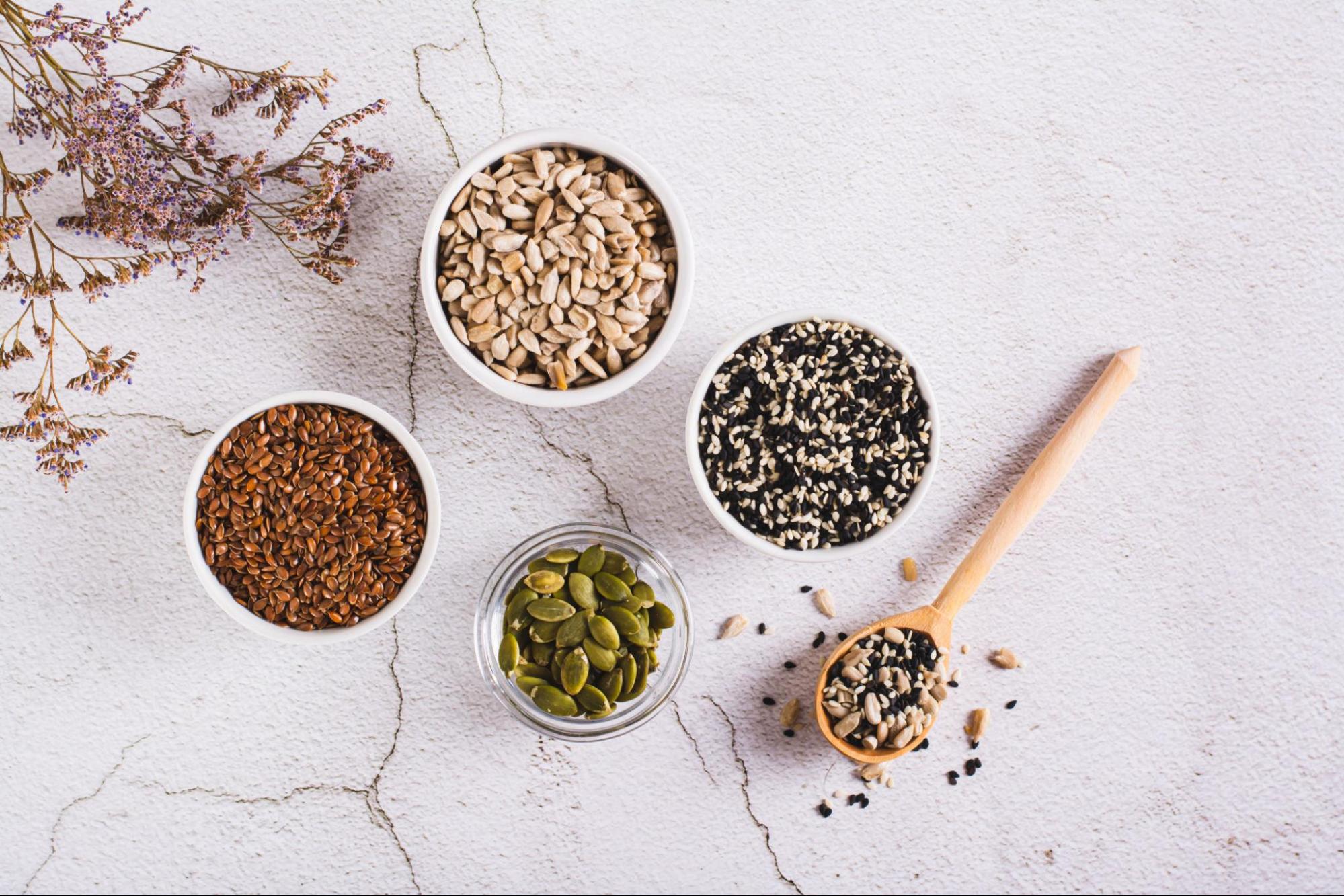
Among the most popular of these trends is seed cycling – a dietary practice that claims certain seeds consumed during different phases of the menstrual cycle may help support hormone regulation naturally.
Supporters often describe seed cycling as a simple, food-based approach using:
- Flax seeds
- Pumpkin seeds
- Sesame seeds
- Sunflower seeds
Does seed cycling actually work scientifically-or is it primarily another wellness trend amplified by social media?
The answer is nuanced. While some nutritional principles behind seed cycling are reasonable, strong clinical evidence specifically supporting the practice remains limited.
What Is Seed Cycling?
Seed cycling is a nutritional practice that involves consuming different seeds during specific phases of the menstrual cycle.
Follicular Phase (First Half of Cycle)
From menstruation until ovulation:
- Flax seeds
- Pumpkin seeds
Luteal Phase (Second Half of Cycle)
From ovulation until menstruation:
- Sesame seeds
- Sunflower seeds
Supporters claim this rotation may help support:
- Estrogen balance
- Progesterone production
- Menstrual regularity
- PMS symptom reduction
- Hormonal health overall
Why People Are Interested in Natural Hormonal Support
Interest in hormonal wellness has expanded significantly because many women experience symptoms such as:
- PMS
- Irregular cycles
- Mood changes
- Fatigue
- Acne
- Sleep disruption
- Perimenopausal symptoms
At the same time, some women feel traditional healthcare systems:
- Under-address hormonal concerns
- Normalize severe symptoms
- Provide limited lifestyle guidance
This has increased demand for:
- Nutrition-based approaches
- Functional wellness strategies
- Holistic health practices
The Nutritional Logic Behind Seed Cycling
Flax Seeds
Flax seeds contain:
- Fiber
- Omega-3 fats
- Lignans (plant compounds with estrogen-like activity)
Researchers have studied flax for potential effects on estrogen metabolism.
Pumpkin Seeds
- Zinc
- Magnesium
- Healthy fats
Zinc plays a role in hormone production and reproductive health.
Sesame Seeds
Sesame seeds contain lignans and minerals that may influence hormone pathways.
Sunflower Seeds
- Vitamin E
- Selenium
- Healthy fats
These nutrients support overall cellular and reproductive health.
What Science Actually Says
This is where the evidence becomes more limited.
At present, there is very little high-quality clinical research directly proving that seed cycling itself regulates hormones or menstrual cycles effectively.
Most claims are based on:
- Theoretical nutritional mechanisms
- Small studies on individual nutrients
- Anecdotal experiences
- Functional wellness interpretations
Researchers have studied some individual seed components-particularly flax seeds-for:
- Estrogen metabolism
- Cholesterol support
- Menopausal symptom management
Experts generally agree:
- Seeds are nutritious
- Healthy fats and fiber support wellness
- Nutritional deficiencies can affect hormones
However, strong evidence specifically supporting cycle-based seed rotation remains limited.
Why Some Women Still Report Benefits
Despite limited research, many women report feeling better while practicing seed cycling.
1. Improved Overall Nutrition
Adding nutrient-dense seeds increases:
- Fiber
- Healthy fats
- Micronutrients
2. Increased Body Awareness
Tracking menstrual cycles often improves awareness of:
- Sleep
- Mood
- Energy
- Symptoms
- Stress patterns
3. Placebo and Behavioral Effects
Wellness rituals themselves can sometimes influence:
- Stress reduction
- Consistency
- Perceived control over health
Hormones Are More Complex Than Social Media Suggests
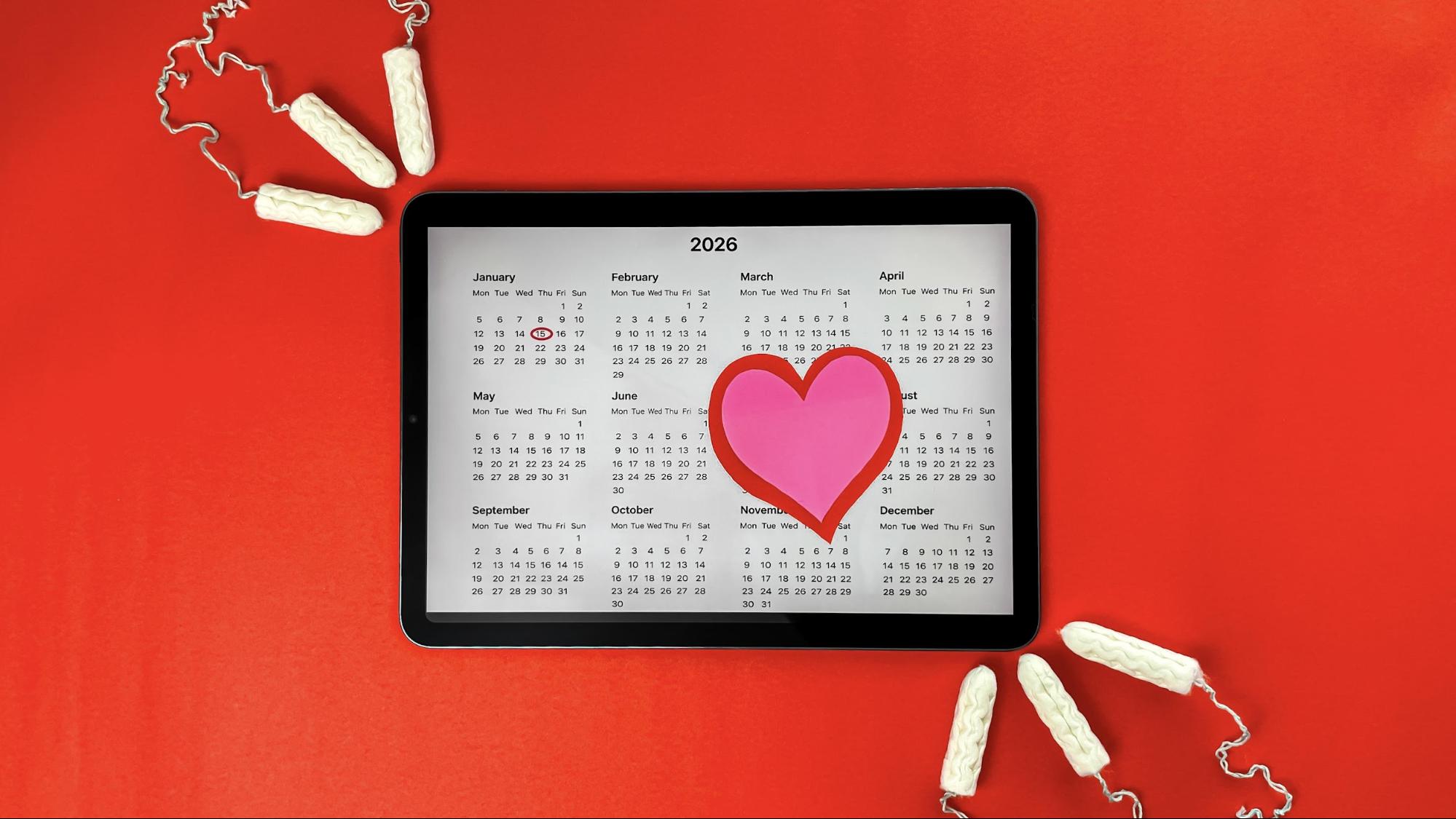
Hormones are influenced by many interconnected factors:
- Sleep
- Stress
- Nutrition
- Exercise
- Body composition
- Medical conditions
- Genetics
- Age
- Medication use
Social media often promotes overly simple solutions for highly complex biological systems.
Is Seed Cycling Safe?
For most healthy individuals, consuming moderate amounts of seeds is generally considered safe and nutritious.
Seeds provide:
- Fiber
- Protein
- Minerals
- Healthy fats
However, some individuals may need caution due to:
- Food allergies
- Digestive conditions
- Calorie needs
- Specific medical conditions
The Bigger Conversation Around Women’s Health
The popularity of seed cycling reflects something broader happening in modern wellness culture.
Many women increasingly want:
- More personalized healthcare
- Better hormonal education
- Preventive approaches
- Lifestyle-based support
Historically, women’s hormonal health research has often been underfunded or under-discussed.
As a result, many wellness trends fill information gaps left by traditional healthcare systems.
What Actually Supports Hormonal Health Most?
Current evidence consistently supports foundational lifestyle habits for hormonal and metabolic health:
- Adequate sleep
- Stress management
- Balanced nutrition
- Sufficient protein and healthy fats
- Regular exercise
- Maintaining healthy body composition
- Medical care when needed
The Problem With “Hormone Hacking” Culture
Modern wellness culture increasingly promotes the idea of constantly “optimizing” hormones.
This can create:
- Anxiety around normal body fluctuations
- Unrealistic expectations
- Over-monitoring
- Excessive supplement use
Healthy hormonal function naturally involves variation and complexity.
Final Thoughts
Seed cycling sits somewhere between reasonable nutritional wellness and an overhyped social media trend.
The seeds involved-flax, pumpkin, sesame, and sunflower-are undeniably nutritious and may support overall health through:
- Fiber
- Healthy fats
- Micronutrients
- Antioxidants
However, strong scientific evidence specifically proving that rotating seeds according to menstrual phases significantly balances hormones remains limited.
That does not mean seed cycling is necessarily harmful or useless. For some individuals, it may encourage:
- Better nutrition
- Greater cycle awareness
- More intentional self-care