

Food is no longer viewed only as fuel.
In 2026, consumers increasingly expect foods and beverages to actively support:
- Energy
- Focus
- Stress resilience
- Gut health
- Sleep quality
- Longevity
- Cognitive performance
- Metabolic wellness
This shift has accelerated the rise of functional foods-products designed not just to provide calories or basic nutrition, but to deliver additional health-related benefits.
From mushroom coffees and protein-enhanced snacks to adaptogenic drinks, nootropic supplements, probiotic yogurts, collagen beverages, and bioactive superfood blends, the global wellness industry is rapidly transforming how people think about everyday nutrition.
- Adaptogens
- Nootropics
- Everyday Functional Superfoods
Supporters see these products as part of a more preventive, performance-oriented approach to health. Critics warn that marketing hype often outpaces scientific evidence.
The reality lies somewhere in between.
What Are Functional Foods?

Functional foods are foods or ingredients believed to provide health benefits beyond basic nutrition.
Popular examples include:
- Probiotic yogurt
- Omega-3-rich foods
- High-fiber products
- Protein-enriched snacks
- Adaptogenic teas
- Cognitive-support beverages
- Fermented foods
Unlike traditional supplements alone, functional foods are often integrated directly into everyday products.
Why Functional Nutrition Is Expanding
Several major trends are driving demand for functional foods.
- Rising chronic stress
- Burnout culture
- Sleep disruption
- Interest in cognitive performance
- Preventive health awareness
- Aging populations
- Distrust of ultra-processed foods
Consumers increasingly view nutrition as part of daily self-care rather than simply weight management.
1. Adaptogens: The Stress Support Trend
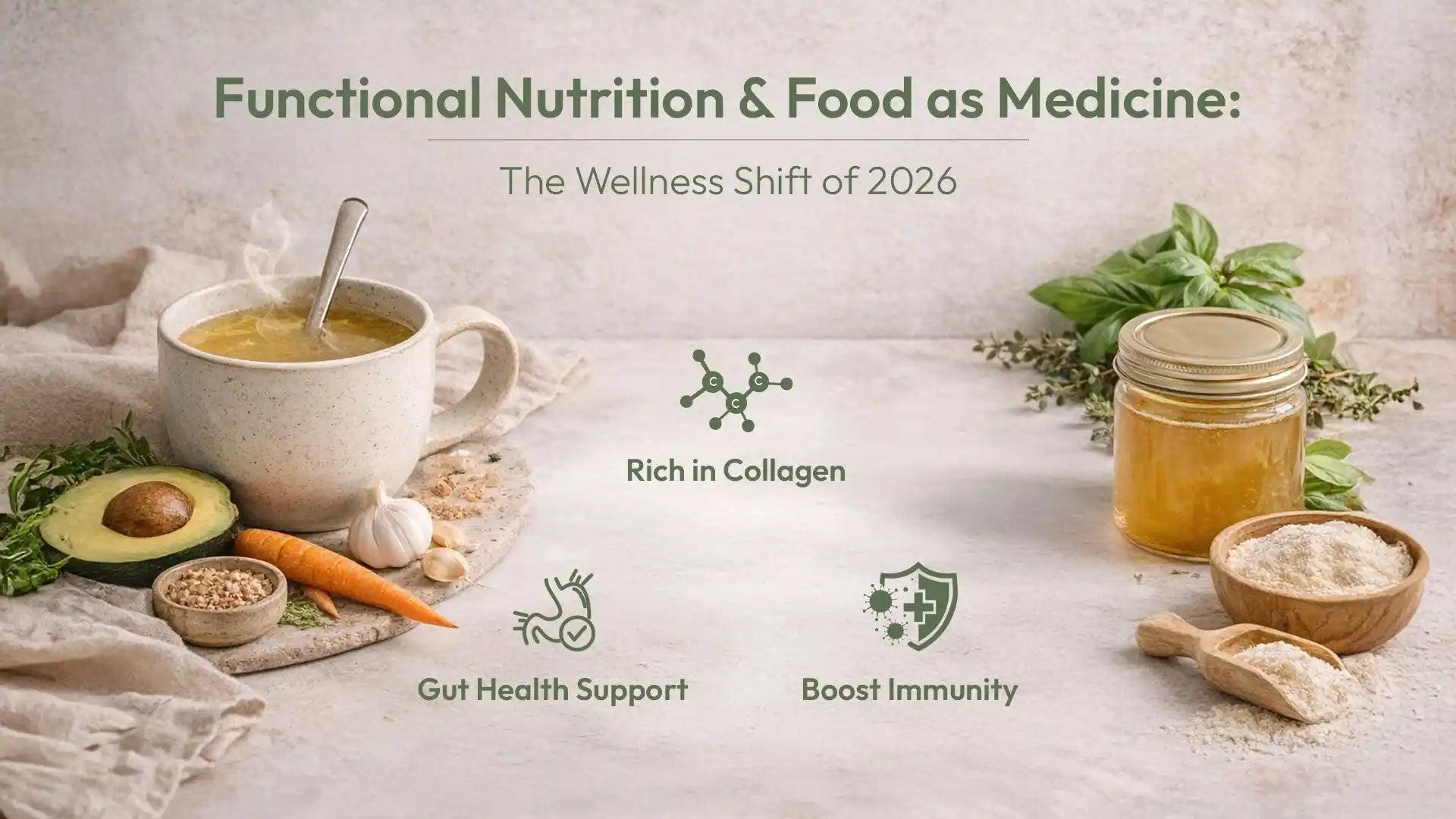
Adaptogens are among the most popular functional wellness ingredients in 2026.
These are herbs and plant compounds believed to help the body adapt to stress and maintain physiological balance.
Popular adaptogens include:
- Ashwagandha
- Rhodiola
- Ginseng
- Holy Basil
- Lion’s Mane
- Reishi Mushrooms
These ingredients now appear in functional coffees, wellness drinks, gummies, powders, and sleep-support products.
What Science Says
Research on adaptogens is promising in areas such as:
- Stress perception
- Fatigue reduction
- Cognitive support
However, many studies remain small, long-term evidence is limited, and product quality varies significantly.
2. Nootropics: Food for the Brain?
Nootropics are substances marketed to support cognitive performance.
Common benefits claimed include:
- Focus
- Memory
- Mental clarity
- Productivity
Popular nootropic ingredients include:
- Caffeine
- L-Theanine
- Lion’s Mane Mushroom
- Omega-3 Fatty Acids
- Creatine
- Bacopa Monnieri
The Cognitive Performance Economy
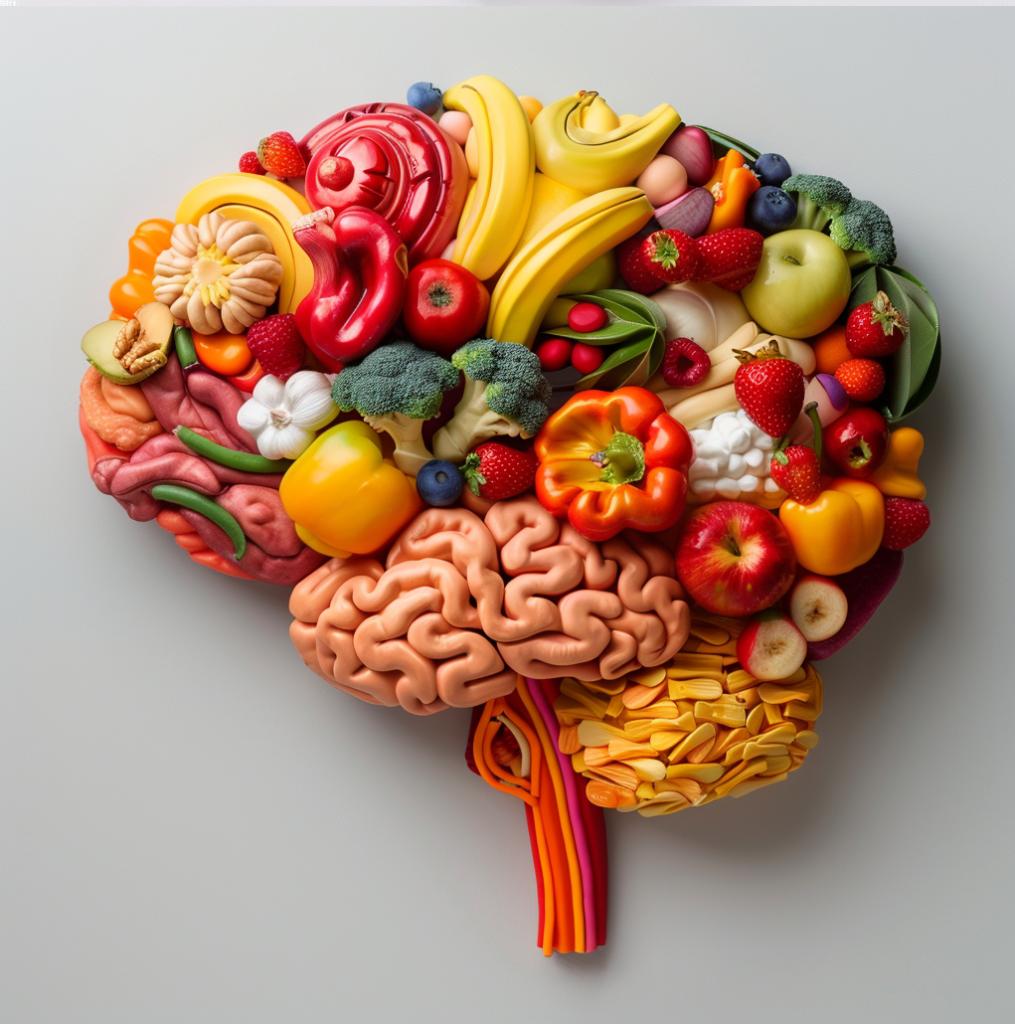
Modern work culture increasingly rewards:
- Attention
- Productivity
- Mental endurance
- Rapid information processing
This has fueled demand for products claiming to improve cognitive performance.
The Risk of Over-Marketing
One challenge is that the nootropic industry often exaggerates claims around intelligence enhancement and “brain hacking.”
3. Everyday Superfoods Become Mainstream
The term “superfood” has become one of the most powerful wellness marketing labels globally.
Popular superfoods include:
- Blueberries
- Avocados
- Turmeric
- Kimchi
- Kefir
- Chia Seeds
- Moringa
Many of these foods genuinely provide fiber, antioxidants, healthy fats, micronutrients, and fermented compounds.
Gut Health Becomes a Functional Food Priority
One of the largest trends in functional nutrition involves gut health.
Consumers increasingly seek foods containing:
- Probiotics
- Prebiotics
- Fiber
- Fermented ingredients
Growing awareness of the microbiome’s possible role in digestion, immunity, mood, inflammation, and metabolic health is driving this demand.
Popular gut-health products include:
- Functional sodas
- Yogurts
- Fiber drinks
- Fermented snacks
- Kombucha
- Synbiotic supplements
The Functional Beverage Explosion

Functional beverages are one of the fastest-growing segments in the wellness industry.
Popular examples include:
- Adaptogenic coffees
- Mushroom lattes
- Electrolyte drinks
- Collagen beverages
- Nootropic energy drinks
- Probiotic sodas
The Problem With Wellness Hype
While some functional ingredients show promise, wellness marketing often exaggerates results dramatically.
Common problems include:
- Oversimplified health claims
- Celebrity influencer hype
- Underpowered ingredients
- Poor-quality formulations
- Limited clinical evidence
Functional Foods Cannot Replace Foundations
One of the most important realities often lost in wellness marketing is that functional foods work best as additions to healthy lifestyles-not replacements.
Long-term health still depends primarily on:
- Sleep quality
- Physical activity
- Stress management
- Whole-food nutrition
- Social connection
- Preventive healthcare
The Future of Functional Nutrition

The functional food industry is likely to continue expanding rapidly.
Future developments may include:
- Personalized nutrition systems
- AI-driven dietary recommendations
- Precision microbiome products
- Longevity-focused nutrition
- Clinically validated functional ingredients
Consumers increasingly want foods that support performance, energy, recovery, and healthy aging.
Final Thoughts
Functional foods reflect a major cultural shift in how people think about health, aging, energy, and nutrition.
Adaptogens, nootropics, probiotics, and everyday superfoods are becoming integrated into mainstream wellness because consumers increasingly seek:
- Preventive health support
- Better stress resilience
- Cognitive performance
- Gut health
- Long-term vitality