

For many women, fitness starts feeling different during perimenopause.
Workouts that once produced results suddenly feel less effective. Recovery becomes slower. Energy fluctuates unpredictably. Sleep suffers. Weight distribution changes. Motivation may decline.
Many women begin wondering why the same exercise routines that worked in their 20s or 30s now leave them exhausted, injured, or frustrated.
In 2026, growing research around women’s hormonal health is reshaping the conversation about exercise during perimenopause.
- Metabolism
- Recovery
- Sleep
- Stress resilience
- Muscle maintenance
- Energy regulation
- Body composition
This does not mean women should stop exercising. In fact, movement becomes more important than ever.
But it may mean fitness strategies need to evolve alongside changing physiology rather than fighting against it.
What Is Perimenopause?
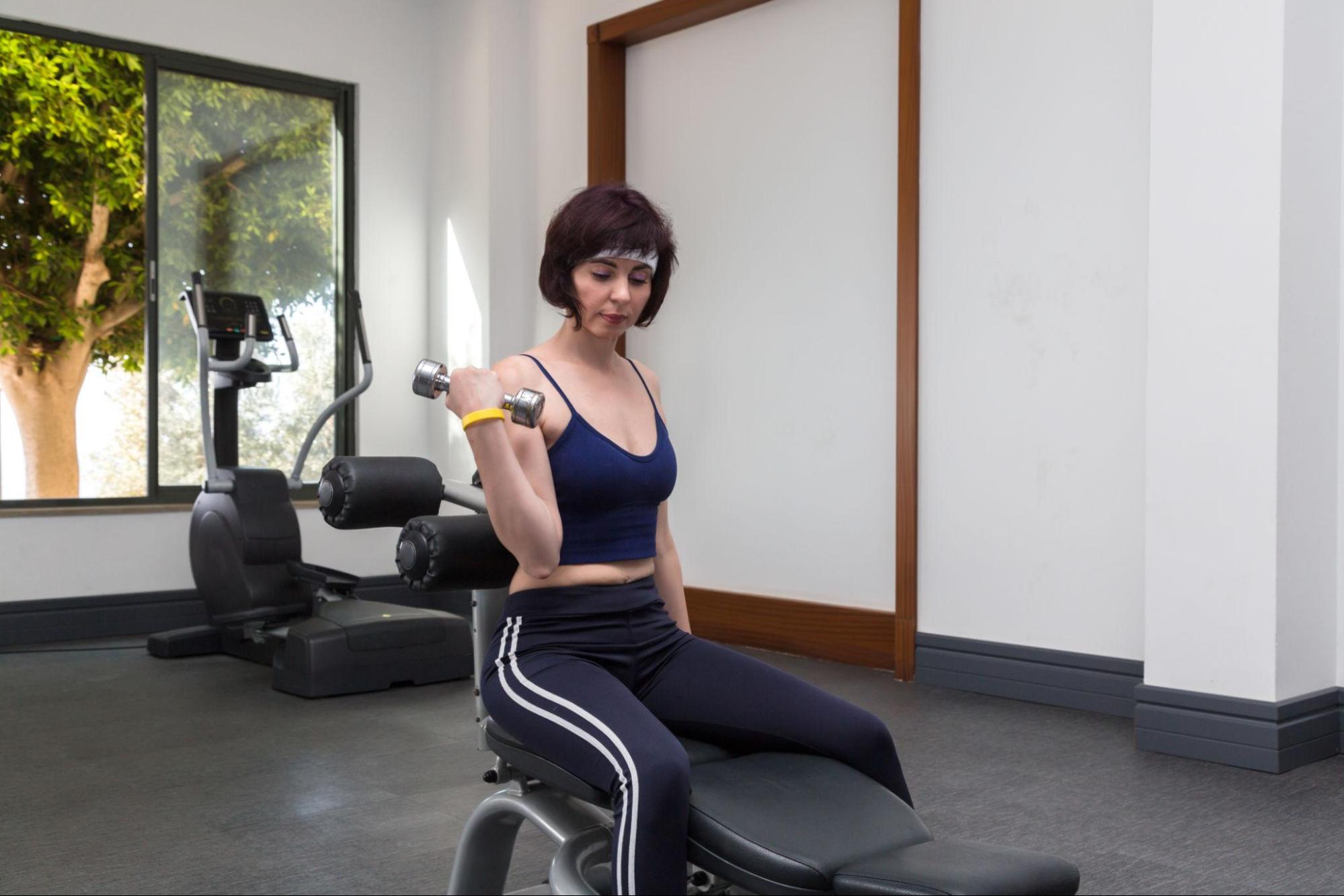
Perimenopause is the transitional phase leading up to menopause.
It can begin years before menstrual periods stop completely and often involves fluctuating hormone levels.
Key hormones involved include:
- Estrogen
- Progesterone
- Testosterone
Common symptoms include:
- Irregular cycles
- Sleep disruption
- Mood changes
- Fatigue
- Hot flashes
- Brain fog
- Increased abdominal fat
- Recovery challenges
Why Exercise Feels Different During Perimenopause
1. Recovery Capacity Changes
Women may notice increased soreness, slower recovery, and greater fatigue after intense workouts.
2. Muscle Loss Accelerates
Age-related muscle loss becomes more significant during midlife, especially without resistance training and adequate protein intake.
3. Stress Sensitivity Increases
Many women experience greater nervous system sensitivity during perimenopause.
High-stress exercise combined with poor sleep, busy schedules, and emotional overload may increase fatigue rather than improve wellness.
4. Fat Distribution Changes
Declining estrogen levels may contribute to increased abdominal fat storage and insulin resistance for some women.
Why Strength Training Becomes Essential
One of the biggest shifts in modern women’s fitness science is the growing emphasis on resistance training during perimenopause.
Strength training supports:
- Muscle preservation
- Bone density
- Metabolic health
- Insulin sensitivity
- Functional strength
- Long-term mobility
What Strength Training Actually Means
Strength training does not require becoming a bodybuilder.
- Dumbbells
- Resistance bands
- Bodyweight exercises
- Machines
- Barbell training
Helpful exercises include:
- Squats
- Lunges
- Rows
- Deadlifts
- Push exercises
Why Excessive Cardio Can Backfire
Cardio remains valuable for heart health, mood, endurance, and overall wellness.
However, many women historically relied heavily on long-duration cardio and calorie-burning exercise models.
Excessive high-intensity exercise combined with poor recovery may increase:
- Fatigue
- Stress load
- Sleep disruption
- Injury risk
Walking Is Underrated

One of the most effective yet overlooked forms of movement during perimenopause is walking.
Walking supports:
- Blood sugar regulation
- Cardiovascular health
- Stress reduction
- Recovery
- Fat metabolism
- Nervous system balance
Recovery Is Part of Fitness Now
Perimenopause fitness increasingly emphasizes recovery as much as training itself.
Recovery includes:
- Sleep quality
- Stress management
- Rest days
- Nutrition
- Nervous system regulation
Protein Intake Matters More
Protein becomes increasingly important during perimenopause because it supports:
- Muscle maintenance
- Recovery
- Satiety
- Metabolic health
Experts increasingly recommend prioritizing protein-rich meals, whole foods, and balanced energy intake.
Sleep and Stress Influence Fitness Results

Modern women’s wellness increasingly recognizes that sleep, stress, hormones, and recovery strongly influence body composition and exercise adaptation.
Poor sleep may worsen:
- Hunger regulation
- Cortisol balance
- Recovery
- Energy
- Motivation
Chronic stress may also contribute to fatigue, emotional eating, inflammation, and reduced exercise recovery.
Flexibility, Mobility & Joint Health
Joint stiffness and mobility challenges may become more noticeable during perimenopause.
Helpful approaches include:
- Yoga
- Pilates
- Mobility training
- Stretching
- Controlled strength work
The Mental Health Benefits of Exercise
Exercise during perimenopause can support:
- Mood regulation
- Anxiety reduction
- Cognitive function
- Emotional resilience
- Confidence
Many women report that movement becomes less about appearance and more about energy, mental clarity, strength, and quality of life.
There Is No Perfect “Hormone Workout”
Social media often promotes highly rigid cycle-syncing or hormone-specific workout rules.
In reality, every woman responds differently, hormonal transitions vary significantly, and lifestyle context matters enormously.
The best fitness plan is usually one that is:
- Sustainable
- Enjoyable
- Recovery-aware
- Adaptable
- Strength-supportive
The Future of Women’s Midlife Fitness
Researchers increasingly study:
- Female metabolism
- Hormonal physiology
- Menopause fitness
- Recovery science
- Longevity-focused exercise
The conversation is shifting away from punishment-based fitness and extreme dieting toward strength, energy, resilience, functional health, and healthy aging.
Final Thoughts
Perimenopause changes how many women experience fitness-but it does not mean health or strength decline is inevitable.
Modern research increasingly shows that the most effective perimenopause fitness strategies often include:
- Strength training
- Walking
- Recovery support
- Protein intake
- Stress management
- Sustainable movement