Inflammation is a natural defense mechanism of the body, helping to protect you from infection and injury. But when it becomes chronic, inflammation can contribute to a wide range of health issues, including fatigue, joint discomfort, digestive problems, brain fog, cardiovascular concerns, metabolic dysfunction, and skin issues.
Modern lifestyles commonly raise inflammation due to highly processed foods, chronic stress, poor sleep, sedentary habits, and excess sugar intake. The good news: nutrition plays a powerful role in supporting wellness and reducing inflammatory load.

What Is an Anti-Inflammatory Diet?
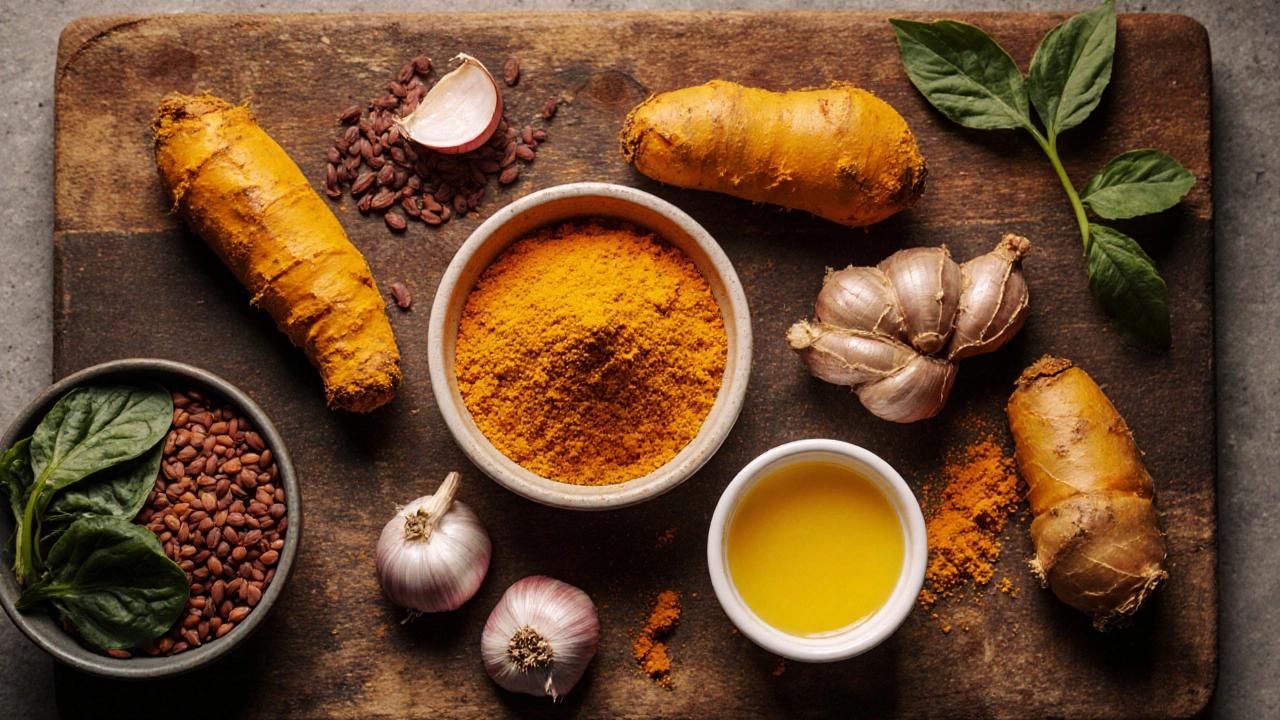
Anti-inflammatory diets focus on consistently choosing foods that reduce inflammatory stress on the body. Common anti-inflammatory foods include:
- Vegetables, fruits, and berries
- Leafy greens
- Nuts and seeds
- Olive oil
- Fatty fish
- Whole grains
- Beans and legumes
- Fermented foods
- Herbs and spices (like turmeric and ginger)
It’s also important to limit:
- Highly processed foods
- Added sugars
- Deep-fried foods
- Excess alcohol
- Ultra-processed snacks
7-Day Anti-Inflammatory Meal Plan
Day 1
- Breakfast: Greek yogurt with blueberries, chia seeds, walnuts, and a sprinkle of cinnamon
- Lunch: Grilled chicken salad with mixed greens, cucumber, tomatoes, olive oil, and lemon dressing
- Snack: Apple slices with almond butter
- Dinner: Baked salmon with roasted sweet potatoes, steamed broccoli, and olive oil drizzle
Day 2
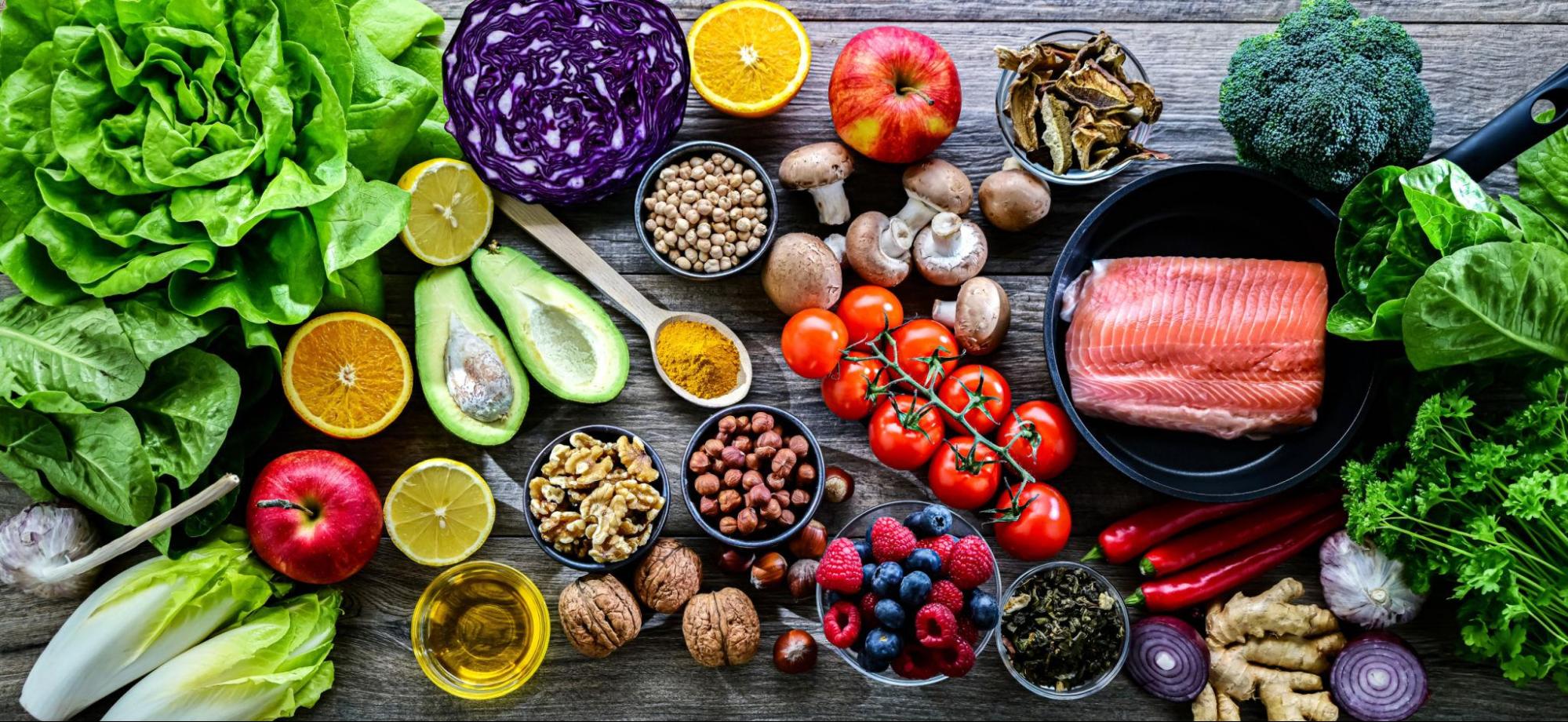
- Breakfast: Oatmeal topped with banana, flax seeds, peanut butter, and cinnamon
- Lunch: Quinoa bowl with chickpeas, spinach, roasted vegetables, and tahini dressing
- Snack: Carrot sticks with hummus
- Dinner: Turkey stir-fry with brown rice, bell peppers, mushrooms, ginger, and garlic
Day 3
- Breakfast: Green smoothie (spinach, frozen berries, protein powder, almond milk, chia seeds)
- Lunch: Lentil soup with side salad
- Snack: Mixed nuts and green tea
- Dinner: Grilled shrimp with quinoa, asparagus, and avocado salad
Day 4
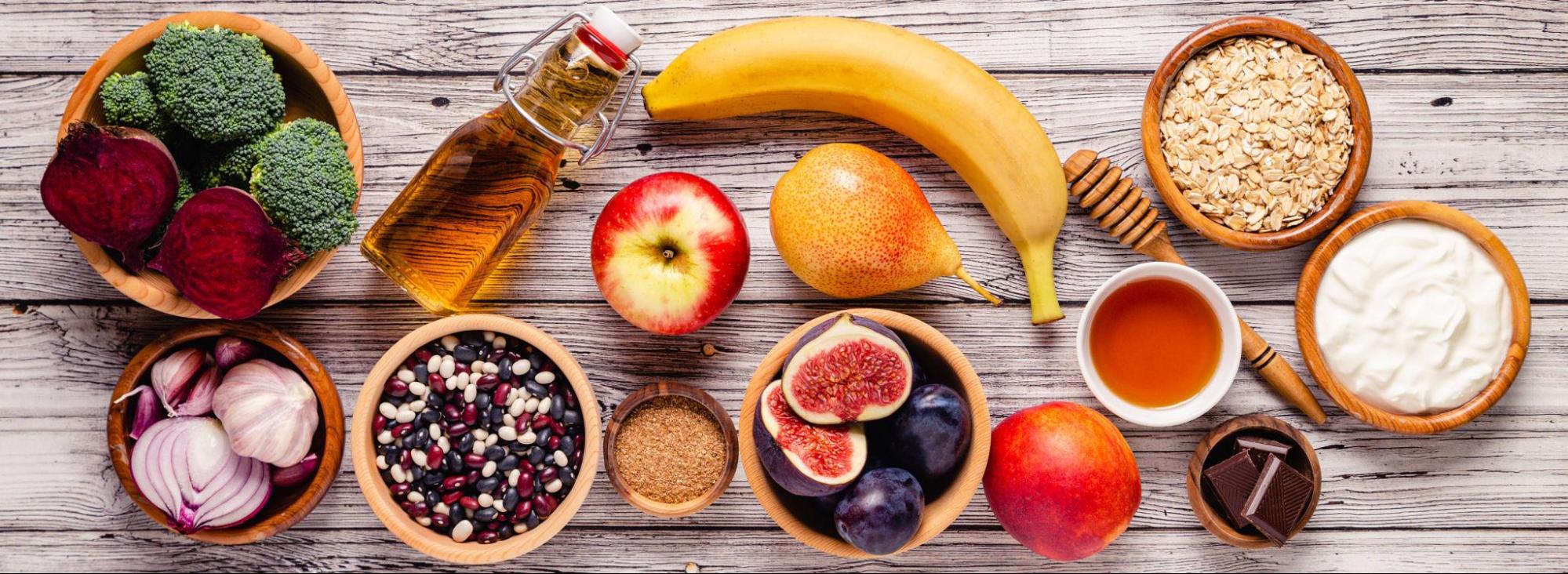
- Breakfast: Egg scramble with spinach, tomatoes, mushrooms; avocado toast
- Lunch: Mediterranean wrap (grilled chicken, hummus, cucumber, lettuce, olive oil dressing)
- Snack: Plain yogurt with pumpkin seeds
- Dinner: Baked cod with brown rice, roasted Brussels sprouts, and garlic olive oil
Day 5
- Breakfast: Chia pudding (almond milk, berries, pumpkin seeds)
- Lunch: Black bean and vegetable bowl with avocado
- Snack: Pear and a handful of walnuts
- Dinner: Chicken curry with turmeric, ginger, vegetables, and cauliflower rice
Day 6
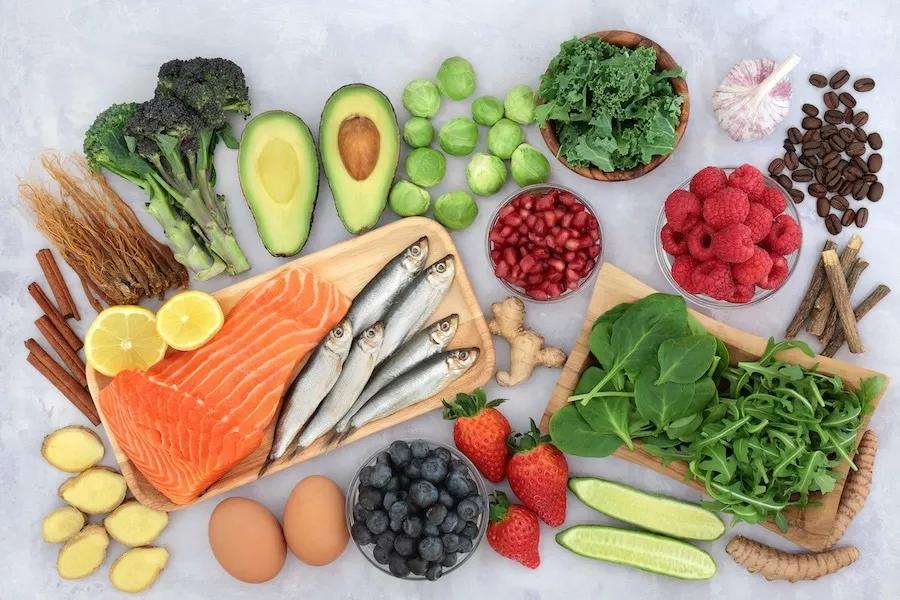
- Breakfast: Whole-grain toast with avocado, eggs, and chili flakes
- Lunch: Tuna salad with mixed greens, olive oil, cukes, tomatoes, and seeds
- Snack: Dark chocolate with almonds
- Dinner: Lean beef or tofu stir-fry with broccoli, snap peas, brown rice, garlic, and ginger
Day 7
- Breakfast: Greek yogurt parfait with granola, berries, and hemp seeds
- Lunch: Vegetable soup with a side quinoa salad
- Snack: Fresh fruit and herbal tea
- Dinner: Grilled salmon or tofu with roasted vegetables, sweet potato, olive oil, and herbs
Anti-Inflammatory Grocery Staples
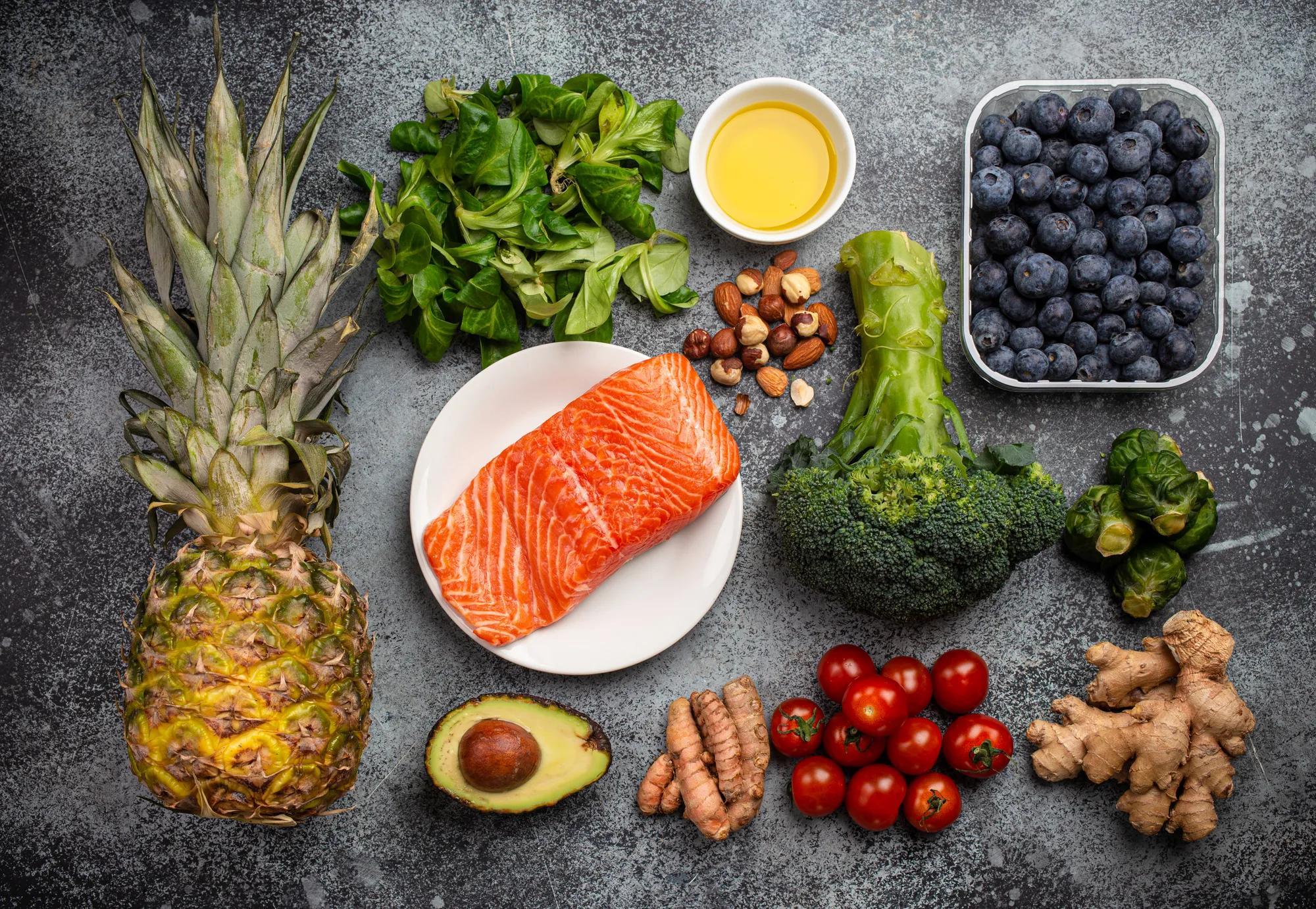
- Olive oil, leafy greens, berries, eggs
- Oats, salmon, beans, lentils, nuts, seeds
- Yogurt, turmeric, ginger, garlic, whole grains
Lifestyle Habits Matter Too
While food is a key influence, other healthy habits also reduce inflammation:
- Quality sleep
- Stress management
- Consistent physical activity
- Proper hydration
- Sufficient recovery
- Limiting chronic stress overload
Important Reminder
Final Thoughts
An anti-inflammatory diet does not need to be restrictive, expensive, or perfect. The most effective long-term approach is simple: eat more whole foods, increase plant variety, get enough protein and fiber, reduce ultra-processed foods over time, and stay consistent.
Healthy eating is about forming sustainable habits that support your energy, digestion, metabolic health, and long-term well-being. Small daily improvements add up over time-far more than short-term “detoxes” or fads.