Your 30s are often the decade when skincare starts feeling different.
Fine lines become more noticeable. Skin may feel less resilient than it did in your 20s. Recovery from stress,
poor sleep, or sun exposure slows down. Dryness, dullness, uneven texture, and pigmentation may appear more
frequently. And many people begin wondering whether they should finally start using “anti-aging” products.
In 2026, skincare science has evolved far beyond aggressive marketing promises and unrealistic beauty standards.
Modern dermatology increasingly focuses not on “stopping aging” which is impossible but on supporting:
- Skin health
- Barrier function
- Collagen maintenance
- Sun protection
- Long-term skin quality
The goal of a good skincare routine in your 30s is not perfection.
It is consistency, prevention, and maintaining healthy skin over time.
The good news is that effective anti-aging skincare does not require:
- 15-step routines
- Expensive luxury products
- Endless trend chasing
In fact, many dermatologists agree that a few evidence-supported habits matter far more than complicated routines.
Why Skin Changes in Your 30s
Several natural biological changes begin affecting the skin during this decade.
These may include:
- Slower collagen production
- Reduced skin elasticity
- Gradual moisture loss
- Slower cell turnover
- Accumulated sun damage
- Increased oxidative stress
Lifestyle factors also become more visible in the skin over time, including:
- Sleep quality
- Stress
- Nutrition
- Smoking
- Alcohol intake
- Sun exposure
This is why skincare in your 30s often shifts from primarily treating acne or oiliness toward prevention and maintenance.
The Most Important Anti-Aging Product Is Sunscreen
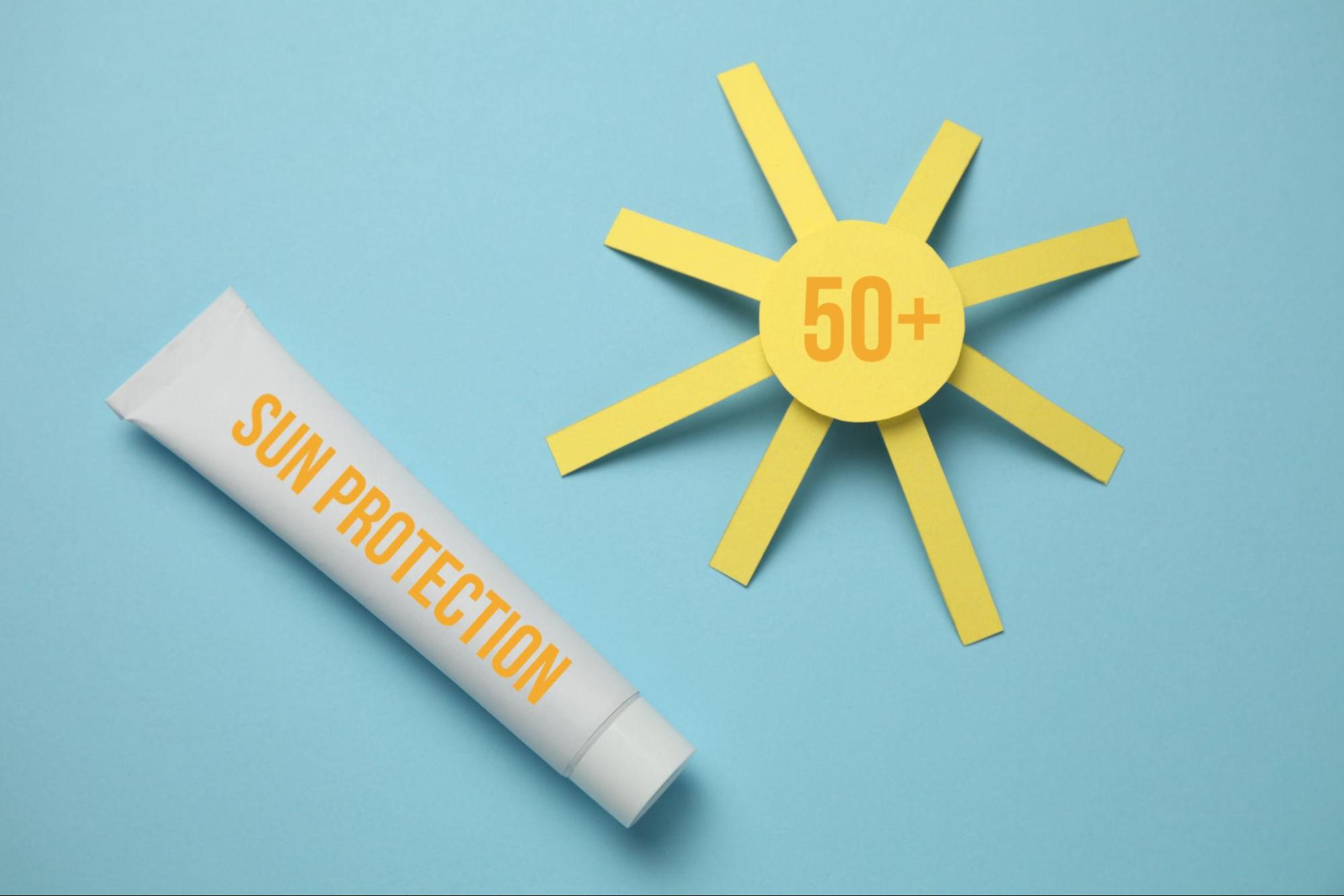
If dermatologists consistently agree on one anti-aging essential, it is sunscreen.
Daily UV exposure is one of the biggest contributors to:
- Wrinkles
- Pigmentation
- Collagen breakdown
- Premature aging
- Skin cancer risk
Even small amounts of repeated sun exposure accumulate over time.
Using broad-spectrum SPF regularly may help protect against:
- Fine lines
- Uneven skin tone
- Loss of elasticity
What Type of Sunscreen Works Best?
The best sunscreen is generally the one a person will use consistently.
Common options include:
- Mineral sunscreens
- Chemical sunscreens
- Tinted formulas
- Lightweight gels
- Moisturizers with SPF
Important factors include:
- Broad-spectrum protection
- Daily consistency
- Adequate application amount
Many people under-apply sunscreen significantly.
Retinoids: The Gold Standard Ingredient
Retinoids including retinol and prescription retinoids remain among the most researched anti-aging skincare ingredients available.
They may help support:
- Collagen production
- Skin texture
- Fine lines
- Acne management
- Cell turnover
- Pigmentation improvement
Dermatologists often consider retinoids one of the most evidence-supported topical ingredients for healthy aging.
Important Things to Know About Retinoids
Retinoids can initially cause:
- Dryness
- Irritation
- Flaking
- Sensitivity
This is why beginners often benefit from:
- Starting slowly
- Using lower strengths
- Applying moisturizer
- Avoiding overuse
Consistency matters more than aggressive application.
Retinoids also increase sun sensitivity, making sunscreen even more important.
Hydration and Skin Barrier Health Matter More Than Trends
One major shift in modern skincare is growing focus on skin barrier health.
The skin barrier helps protect against:
- Moisture loss
- Irritation
- Environmental stressors
- Inflammation
Overusing:
- Harsh exfoliants
- Strong acids
- Aggressive treatments
can damage the barrier and worsen skin problems.
Healthy skincare increasingly prioritizes:
- Gentle cleansing
- Hydration
- Moisture retention
- Barrier repair
Ingredients often associated with barrier support include:
- Ceramides
- Hyaluronic acid
- Glycerin
- Squalane
Antioxidants and Environmental Stress

Modern skin is constantly exposed to:
- Pollution
- UV radiation
- Stress
- Sleep disruption
- Oxidative stress
Antioxidants may help support protection against environmental damage.
Popular antioxidant ingredients include:
- Vitamin C
- Niacinamide
- Green tea extract
- Ferulic acid
Vitamin C, in particular, is commonly used for:
- Brightening
- Pigmentation support
- Antioxidant protection
However, skincare products do not need to include every trending ingredient simultaneously.
Simple, consistent routines often work best.
Exfoliation: Less Is Often More
Exfoliation can help improve:
- Texture
- Brightness
- Congestion
But excessive exfoliation is one of the most common skincare mistakes.
Over-exfoliation may cause:
- Irritation
- Redness
- Sensitivity
- Barrier disruption
Many dermatologists now recommend gentler approaches rather than aggressive daily scrubbing or acid layering.
Lifestyle Affects Skin More Than Many Realize
Skincare products matter, but lifestyle factors strongly influence visible aging too.
Major contributors include:
- Sleep quality
- Chronic stress
- Smoking
- Nutrition
- Alcohol intake
- Hydration
- Exercise
For example:
- Poor sleep may worsen dullness and inflammation
- Chronic stress may affect acne and skin sensitivity
- Smoking accelerates collagen breakdown
Healthy skin reflects broader overall health patterns.
Collagen Supplements: Helpful or Overhyped?
Collagen supplements remain extremely popular in 2026.
Some studies suggest collagen peptides may support:
- Skin hydration
- Elasticity
- Skin appearance
However:
- Results vary
- Evidence quality differs
- Supplements cannot fully replace healthy lifestyle habits
Collagen production is also influenced by:
- Protein intake
- Sun exposure
- Sleep
- Smoking
- Overall nutrition
When Professional Treatments Help
Some individuals choose professional treatments for additional skin support.
Common options include:
- Chemical peels
- Microneedling
- Laser treatments
- Botox
- Prescription skincare
These treatments vary widely in:
- Cost
- Effectiveness
- Recovery time
- Risks
Working with qualified dermatologists or licensed professionals is important before pursuing advanced procedures.
The Problem With “Perfect Skin” Culture
Social media has dramatically changed skincare expectations.
Filters, editing apps, influencer marketing, and unrealistic beauty standards often create impossible
comparisons.
In reality:
- Pores are normal
- Skin texture is normal
- Aging is normal
- Occasional breakouts are normal
Healthy skin does not require perfection.
Modern skincare conversations increasingly encourage healthier perspectives focused on:
- Skin health
- Confidence
- Sustainability
- Realistic expectations
A Simple Beginner-Friendly Routine
A basic anti-aging skincare routine in your 30s may include:
Morning
- Gentle cleanser
- Antioxidant serum (optional)
- Moisturizer
- Broad-spectrum sunscreen
Evening
- Gentle cleanser
- Retinoid or retinol
- Moisturizer
This is often enough for many people.
More products do not automatically mean better results.
The Future of Skincare
Skincare science continues evolving through:
- Microbiome research
- Personalized dermatology
- AI skin analysis
- Longevity-focused skincare
- Barrier repair technology
At the same time, dermatologists increasingly emphasize simplicity and prevention over extreme routines.
Final Thoughts
Building an anti-aging skincare routine in your 30s does not require chasing every viral trend or buying expensive luxury products.
The most effective long-term skincare habits are often surprisingly simple:
- Daily sunscreen
- Consistent hydration
- Retinoid use
- Gentle cleansing
- Healthy lifestyle habits
- Patience and consistency
Aging is not something to “defeat.”
Healthy skincare is about supporting skin quality, confidence, and long-term wellness as the body naturally changes over time.