For many mothers, finding time for fitness can feel nearly impossible.
Between work responsibilities, caregiving, household tasks, school schedules, emotional labor, and constant multitasking, many women struggle to prioritize movement consistently – even when they understand its importance.
In 2026, modern fitness culture is finally becoming more realistic about what sustainable exercise actually looks like for busy moms.
The old “all-or-nothing” approach – involving long gym sessions, complicated programs, or perfection-focused routines – is increasingly being replaced by something more practical:
- Shorter workouts
- Flexible movement
- Home-based fitness
- Functional strength
- Mental wellness support
The good news is that effective exercise does not require:
- Expensive gym memberships
- Fancy equipment
- Two-hour workouts
- Extreme fitness culture
Even short bodyweight workouts performed consistently can help support:
- Energy
- Strength
- Mood
- Mobility
- Stress relief
- Long-term health
For busy mothers, the best workout is often not the “perfect” one – it is the one that realistically fits into everyday life.
Why Home Workouts Are Growing in 2026
Several major shifts are changing women’s fitness habits globally.
Many mothers now prefer home workouts because they offer:
- Time flexibility
- Lower cost
- No commuting
- Greater convenience
- Privacy
- Easier schedule integration
At the same time, digital fitness platforms, wellness apps, and short-form guided workouts have made structured home exercise more accessible than ever.
Modern fitness is increasingly shifting away from:
- Punishment-based exercise
- “Bounce back” culture
- Unrealistic body expectations
toward:
- Sustainable movement
- Energy support
- Strength
- Mental well-being
- Healthy aging
Why Strength Matters for Moms
Many women historically focused primarily on:
- Weight loss
- Cardio
- “Getting toned”
But modern research increasingly emphasizes the importance of strength training – especially for women balancing physical and emotional demands daily.
Strength supports:
- Posture
- Joint stability
- Energy
- Functional movement
- Metabolism
- Bone health
- Long-term resilience
For moms constantly:
- Carrying children
- Lifting groceries
- Managing household tasks
- Sitting at desks
- Experiencing stress
functional strength becomes especially valuable.
Workout 1: The 10-Minute Full Body Reset
Perfect for:
- Busy mornings
- Nap times
- Quick energy boosts
Structure
Perform each movement for 40 seconds, rest 20 seconds:
- Bodyweight squats
- Push-ups (wall, knee, or floor version)
- Glute bridges
- Marching in place or high knees
- Plank hold
Repeat twice if time allows.
Why It Works
This routine trains:
- Legs
- Core
- Upper body
- Cardiovascular endurance
without requiring equipment or large workout spaces.
Workout 2: The Low-Impact Energy Booster
Perfect for:
- Beginners
- Postpartum-friendly movement (with medical clearance)
- Low-energy days
Routine
- Chair squats – 15 reps
- Step-back lunges – 10 each side
- Bird-dog core exercise – 10 each side
- Wall push-ups – 12 reps
- Standing side leg raises – 15 each side
Repeat 2–3 rounds.
Why It Works
Low-impact workouts may feel more sustainable for women managing:
- Fatigue
- Stress
- Sleep deprivation
- Recovery challenges
Consistency matters more than intensity.
Workout 3: The Core & Posture Routine
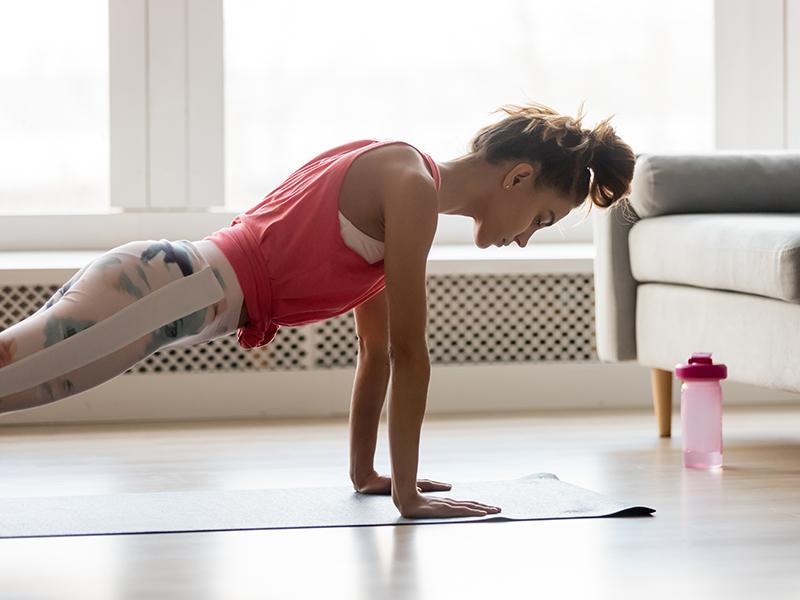
Motherhood often places major strain on:
- The lower back
- Shoulders
- Core stability
- Posture
This quick routine helps support functional strength.
Routine
- Dead bugs – 10 reps each side
- Glute bridges – 15 reps
- Side planks – 20 seconds each side
- Cat-cow stretches – 10 reps
- Superman holds – 20 seconds
Repeat 2 rounds.
Why It Helps
This routine supports:
- Core engagement
- Posture
- Mobility
- Back support
especially helpful for women balancing caregiving and desk-based work.
Workout 4: The Stress-Relief Walking Workout
Not every workout needs to be intense.
Walking remains one of the most underrated wellness tools for busy moms.
Benefits include:
- Stress reduction
- Blood sugar regulation
- Improved mood
- Cardiovascular support
- Recovery
- Mental clarity
Simple Goal
- 20–30 minutes daily if possible
- Indoors or outdoors
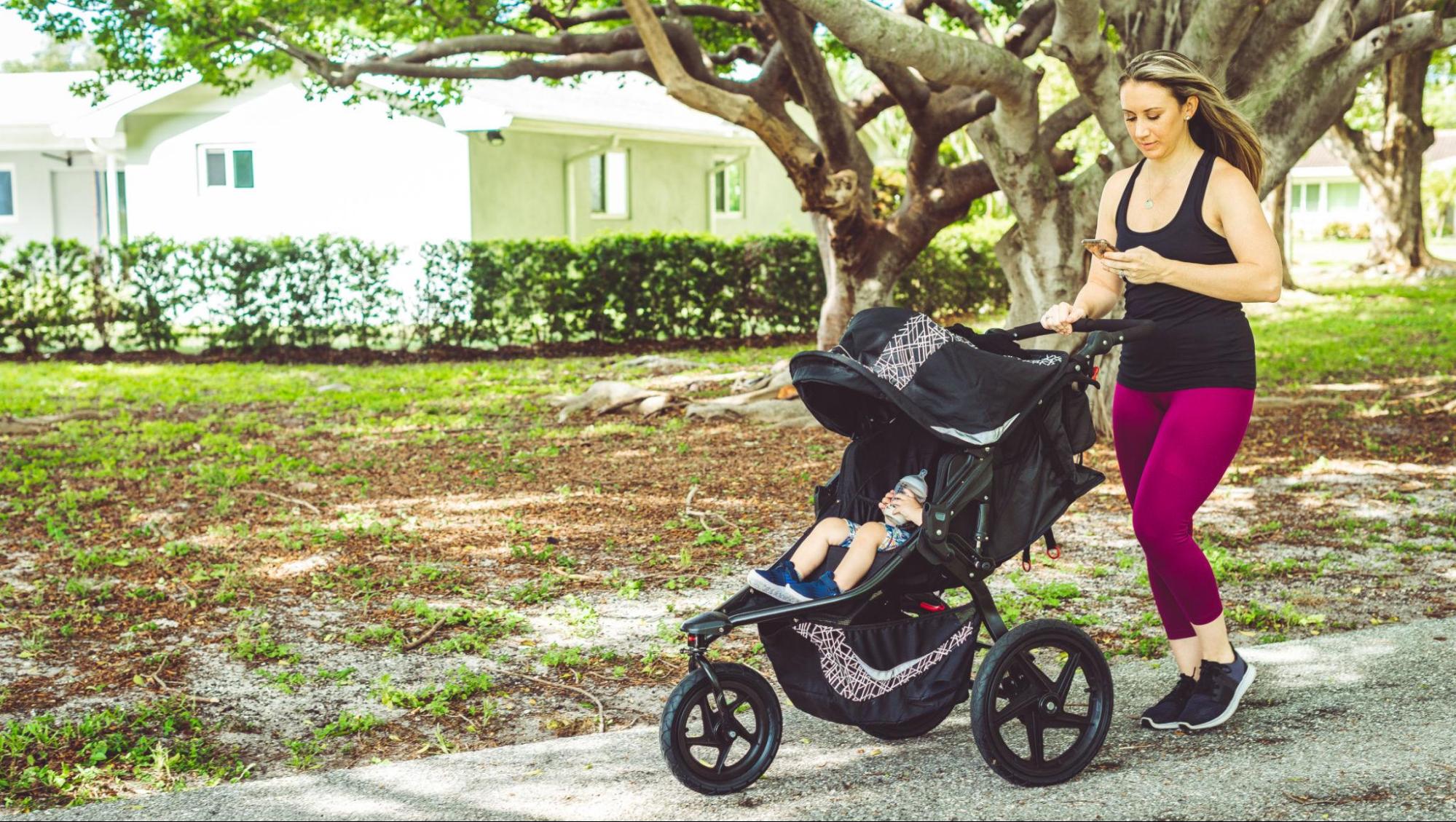
- Stroller walks count too
In 2026, wellness experts increasingly emphasize that everyday movement matters enormously.
Why Walking Works
Walking is:
- Accessible
- Low-impact
- Sustainable
- Easier to recover from than intense exercise
It also supports nervous system regulation during stressful life periods.
Workout 5: The 15-Minute Strength Circuit
Perfect for:
- Building functional strength
- Improving endurance
- Supporting metabolism
Routine
Perform 3 rounds:
- Squats – 15 reps
- Reverse lunges – 10 each side
- Incline push-ups – 12 reps
- Plank shoulder taps – 20 reps
- Glute bridges – 15 reps
- Mountain climbers – 20 seconds
Rest 60 seconds between rounds.
Why It Works
This style of circuit combines:
- Strength
- Stability
- Cardio
- Core training
in minimal time.
What Makes Home Fitness Successful?
The most effective home workout plans are usually:
- Simple
- Flexible
- Sustainable
- Adaptable
One major mistake many people make is assuming workouts only “count” if they are:
- Extremely intense
- Long
- Perfectly consistent
In reality, small amounts of movement accumulated consistently can significantly improve health over time.
Fitness and Mental Health for Moms
Exercise affects more than physical health.
Many mothers report movement helps improve:
- Mood
- Stress management
- Energy
- Confidence
- Emotional resilience
This matters because modern motherhood often involves:
- Mental overload
- Sleep disruption
- Emotional exhaustion
- Burnout
Movement can become a form of self-care rather than punishment.
The “Perfect Body” Culture Problem
Social media often creates unrealistic expectations around motherhood and fitness.
Many women feel pressure to:
- “Bounce back” quickly
- Lose baby weight rapidly
- Maintain unrealistic appearance standards
But health is broader than aesthetics alone.
Modern wellness increasingly emphasizes:
- Strength
- Energy
- Recovery
- Confidence
- Long-term health
rather than chasing perfection.
Tips for Staying Consistent
1. Lower the Barrier
Even 10 minutes counts.
2. Schedule Movement Realistically
Short sessions are often more sustainable than idealized long workouts.
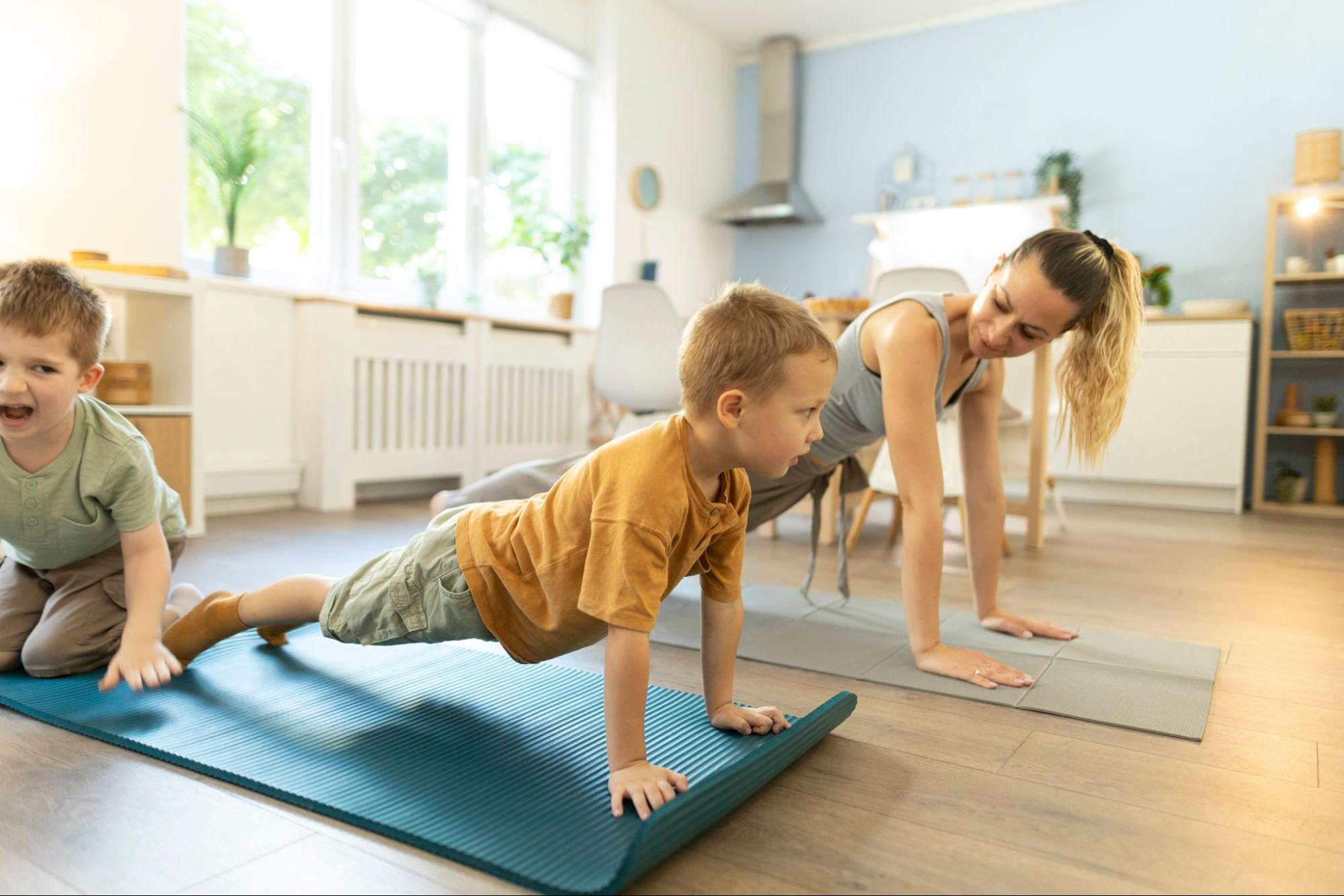
3. Include Kids If Needed
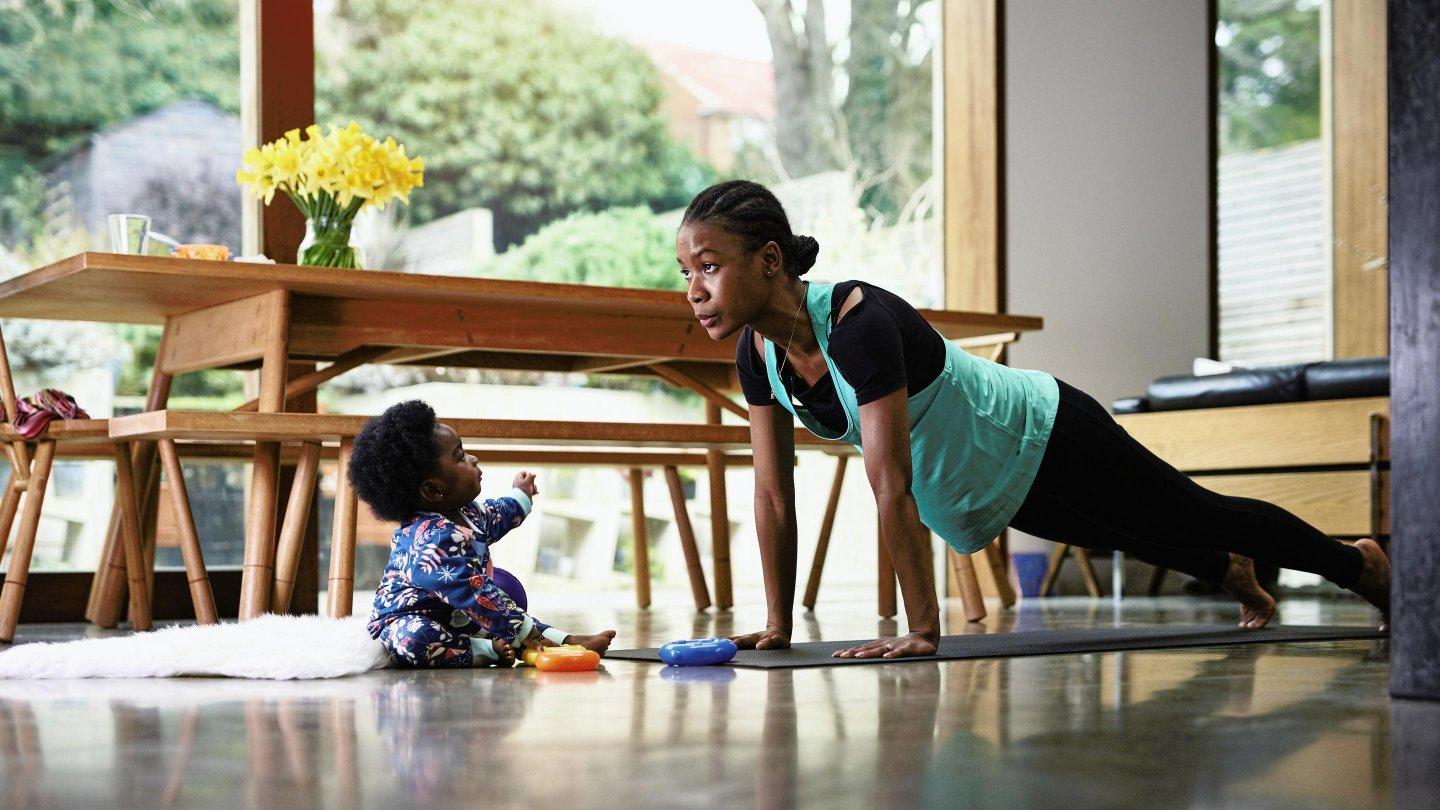
Movement does not need to happen in perfect silence.
4. Focus on Progress, Not Perfection
Consistency matters more than flawless routines.
5. Prioritize Recovery Too
Sleep, hydration, and nutrition support energy and exercise recovery.
Important Note for Postpartum Moms
Women recovering postpartum should always seek appropriate medical guidance before starting new exercise programs, especially after:
- Cesarean delivery
- Complicated births
- Pelvic floor issues
Recovery timelines vary significantly.
Final Thoughts
The best home workouts for busy moms in 2026 are not necessarily the most intense or trendy.
They are the ones that:
- Fit real life
- Support energy
- Build strength
- Reduce stress
- Improve long-term health sustainably
Bodyweight workouts, walking, mobility work, and short strength circuits can all create meaningful health benefits when practiced consistently.
Motherhood already demands enormous physical and emotional effort.
Fitness should support women through those demands – not become another unrealistic pressure layered on top of them.
Sometimes the healthiest workout is simply the one you can actually keep doing consistently.