

Introduction: The Fasting Debate in 2026
Fasting has evolved from a niche wellness trend into a mainstream health strategy. From social media influencers to healthcare professionals, conversations around fasting continue to grow as people seek sustainable approaches to weight management, metabolic health, and longevity.
Two methods dominate the discussion: water fasting and intermittent fasting.
While both involve periods without food, they differ significantly in duration, flexibility, nutritional impact, and—most importantly—safety.
The question many people ask is simple: which approach is safer?
The answer depends on your health status, goals, medical history, and ability to maintain healthy habits over time.
This evidence-based guide compares water fasting and intermittent fasting using the latest 2026 insights to help you make an informed decision.

What Is Water Fasting?
Water fasting involves consuming only water for a specific period, usually ranging from 24 hours to several days.
During a water fast, you avoid:
- Solid foods
- Caloric beverages
- Snacks
- Supplements containing calories
Common water fasting durations include:
- 24 hours
- 48 hours
- 72 hours
- Extended fasts lasting five days or longer
Because no calories are consumed, the body eventually shifts toward stored energy reserves.
What Is Intermittent Fasting?
Intermittent fasting (IF) focuses on when you eat rather than what you eat.
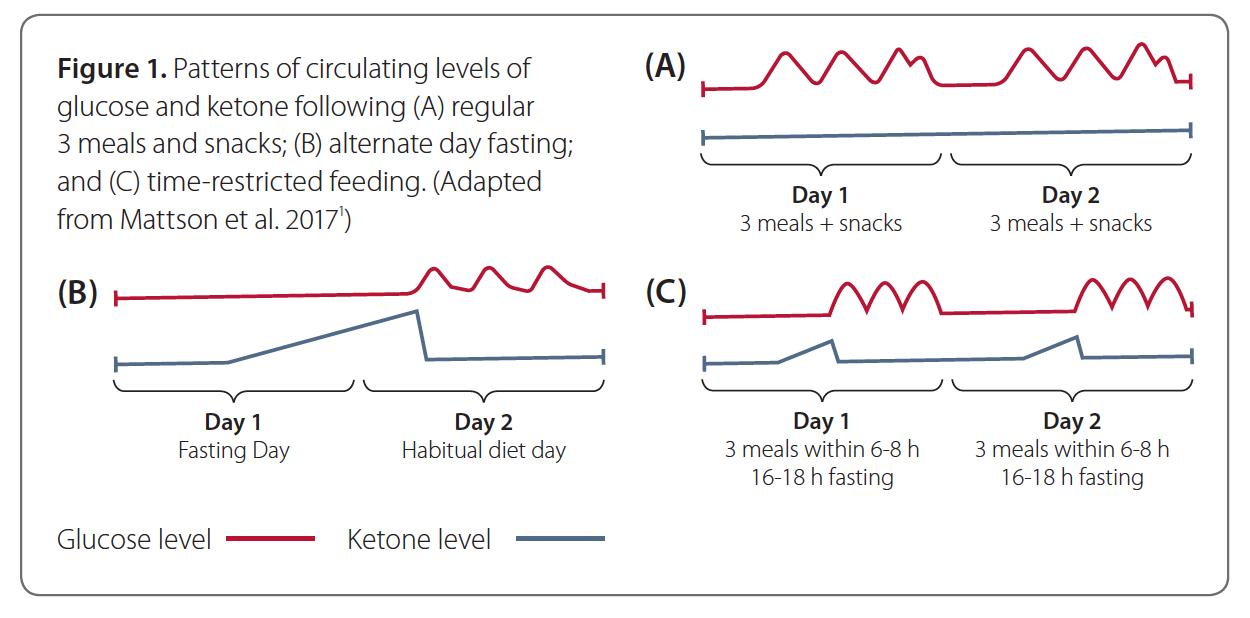
Instead of eliminating food entirely, intermittent fasting alternates between eating windows and fasting periods.
Popular approaches include:
- 12:12 fasting (12-hour eating window, 12-hour fast)
- 14:10 fasting
- 16:8 fasting
- 5:2 fasting approach
For example, a 16:8 schedule might involve eating between 12 p.m. and 8 p.m. while fasting overnight and during the morning.
Unlike water fasting, intermittent fasting still allows regular nutrient intake.
Key Differences at a Glance
| Factor | Water Fasting | Intermittent Fasting |
|---|---|---|
| Food Intake | None | Allowed during eating windows |
| Typical Duration | 24 hours to several days | Daily routine |
| Nutritional Adequacy | Limited | Easier to maintain |
| Sustainability | Low | Moderate to high |
| Risk Level | Higher | Lower |
| Medical Supervision | Often recommended | Usually not required |
| Weight Loss Approach | Rapid, short-term | Gradual, long term |
Potential Benefits of Water Fasting
Research continues to explore the effects of extended fasting.
Potential benefits may include:
- Temporary weight loss
- Reduced calorie intake
- Improved insulin sensitivity in some individuals
- Short-term metabolic changes
- Increased awareness of eating habits
However, many of these effects require further long-term research.
It’s important to note that rapid weight loss during water fasting often includes water weight and glycogen depletion.
Potential Benefits of Intermittent Fasting
Intermittent fasting has a larger body of evidence supporting its use.
Potential benefits include:
- Sustainable weight management
- Improved blood sugar regulation
- Better appetite awareness
- Reduced late-night eating
- Simplified meal planning
Many people find intermittent fasting easier to maintain because it fits into everyday life without eliminating entire food groups.

Safety Considerations: Water Fasting
Water fasting carries a higher risk profile, especially when performed without medical supervision.
Important safety concerns include:
1. Electrolyte Imbalances
Extended fasting may affect sodium, potassium, and magnesium levels.
2. Dehydration Risk
Contrary to popular belief, people receive a portion of their hydration from food.
3. Nutrient Deficiencies
Longer fasts provide no protein, vitamins, minerals, or essential nutrients.
4. Dizziness and Fatigue
Low energy, headaches, and lightheadedness are common.
5. Increased Risk for Certain Groups
Water fasting is generally not recommended for:
- Pregnant or breastfeeding individuals
- Children and teenagers
- Older adults with health conditions
- People with diabetes
- Individuals with eating disorder histories
- Those taking certain medications
Extended water fasts should only occur under professional medical supervision.
Safety Considerations: Intermittent Fasting
Intermittent fasting is generally considered safer for healthy adults.
However, it still requires thoughtful planning.
Key considerations include:
- Nutritional quality matters
- Avoid overeating
- Sleep and stress influence results
- Individual responses vary
- Medical conditions require guidance
People with chronic conditions should consult healthcare professionals before starting.
Which Method Is More Sustainable?
Sustainability is one of the strongest predictors of long-term success.
Water fasting may deliver quick results, but many people struggle to maintain it.
Intermittent fasting typically integrates more easily into daily routines because it:
- Allows balanced meals
- Supports social eating
- Requires fewer restrictions
- Encourages long-term habits
For most people, consistency beats intensity.
Technology and Personalized Fasting in 2026

Modern health technology is changing how people approach fasting.
Popular tools include:
- Continuous glucose monitors (CGMs)
- Sleep tracking devices
- Nutrition apps
- AI-powered meal planning platforms
- Wearable recovery trackers
These tools can help users better understand how fasting affects:
- Energy levels
- Blood sugar
- Sleep quality
- Exercise performance
Personalized nutrition is becoming increasingly important because no single fasting method works for everyone.
Questions to Ask Before Starting Any Fasting Plan
- What is my primary goal?
- Do I have any medical conditions?
- Can I maintain this approach long-term?
- Does this support my relationship with food?
- Have I discussed this with a healthcare professional?
Fasting should improve your health—not create additional stress.
Expert Perspective: Which Is Safer?
For most healthy adults, intermittent fasting is generally considered the safer and more sustainable option.
It offers potential metabolic benefits while allowing adequate nutrition and greater flexibility.
Water fasting carries higher risks and should be approached cautiously.
If you’re considering fasting for therapeutic reasons or extended periods, professional guidance is essential.
The safest fasting plan is one that:
- Supports nutritional adequacy
- Fits your lifestyle
- Respects your medical history
- Promotes sustainable habits

Final Thoughts
Fasting is not a universal solution.
While both water fasting and intermittent fasting have gained popularity, their safety profiles differ significantly.
Water fasting may appeal to people seeking rapid results, but it carries greater risks and is difficult to sustain.
Intermittent fasting offers a more balanced approach for many individuals by combining flexibility with evidence-based benefits.
Ultimately, long-term health depends on consistent habits—not extreme strategies.
Choose an approach that prioritizes safety, nutrition, and overall well-being.
Ready to Fast More Safely?
Before beginning any fasting routine:
✓ Download a safe fasting checklist
✓ Take a fasting suitability quiz
✓ Track your sleep, energy, and hydration
✓ Consult a qualified healthcare professional if you have underlying health conditions
Small, sustainable changes often produce the most meaningful results.
