
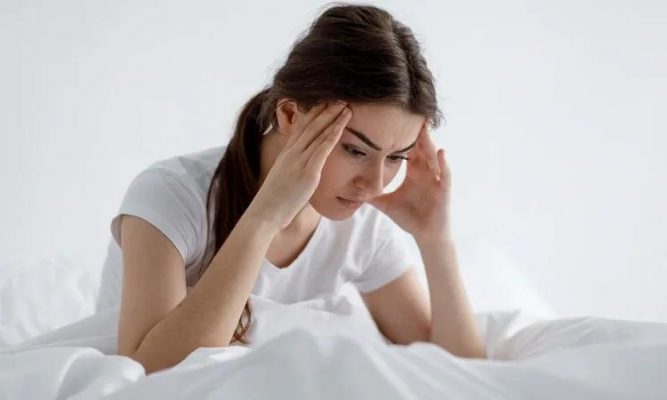
Introduction: Why More Indian Women Are Struggling With Sleep
In 2026, sleep disorders among Indian women are rising rapidly.
Many women today are balancing:
- Careers
- Family responsibilities
- Digital overload
- Stress
- Irregular schedules
As a result, poor sleep has become increasingly common.
At the same time, hormonal imbalance is also affecting many women through symptoms like:
- Fatigue
- Weight changes
- Mood swings
- Irregular periods
- Hair fall
- Anxiety
Sleep and hormones are deeply connected.
Poor sleep can affect hormones, and a hormonal imbalance can disrupt sleep. This creates a cycle that impacts:
- Mental health
- Energy levels
- Metabolism
- Daily productivity
- The connection between sleep and hormones
- Common sleep disorders in Indian women
- Causes and warning signs
- A practical action plan for healthier recovery
How Sleep Affects Hormones
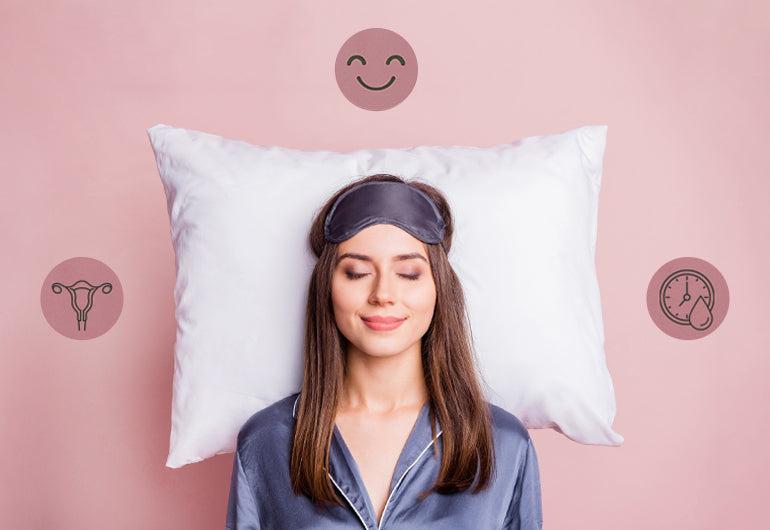
Sleep is not just “rest.” It is a recovery process that helps regulate important hormones.
Hormones Influenced by Sleep:
- Cortisol (stress hormone)
- Melatonin (sleep hormone)
- Insulin
- Estrogen
- Progesterone
When sleep quality declines, hormone balance may also suffer.
Common Sleep Disorders Affecting Indian Women
1. Insomnia
Difficulty:
- Falling asleep
- Staying asleep
- Feeling rested
Often linked with:
- Stress
- Anxiety
- Hormonal fluctuations
2. Sleep Anxiety
Many women experience racing thoughts before bed due to:
- Work pressure
- Emotional stress
- Overthinking
3. Irregular Sleep Cycles
Late-night screen time and inconsistent routines disrupt circadian rhythms.
4. Sleep Deprivation
Sleeping fewer hours than the body needs over long periods.
Signs of Hormonal Imbalance
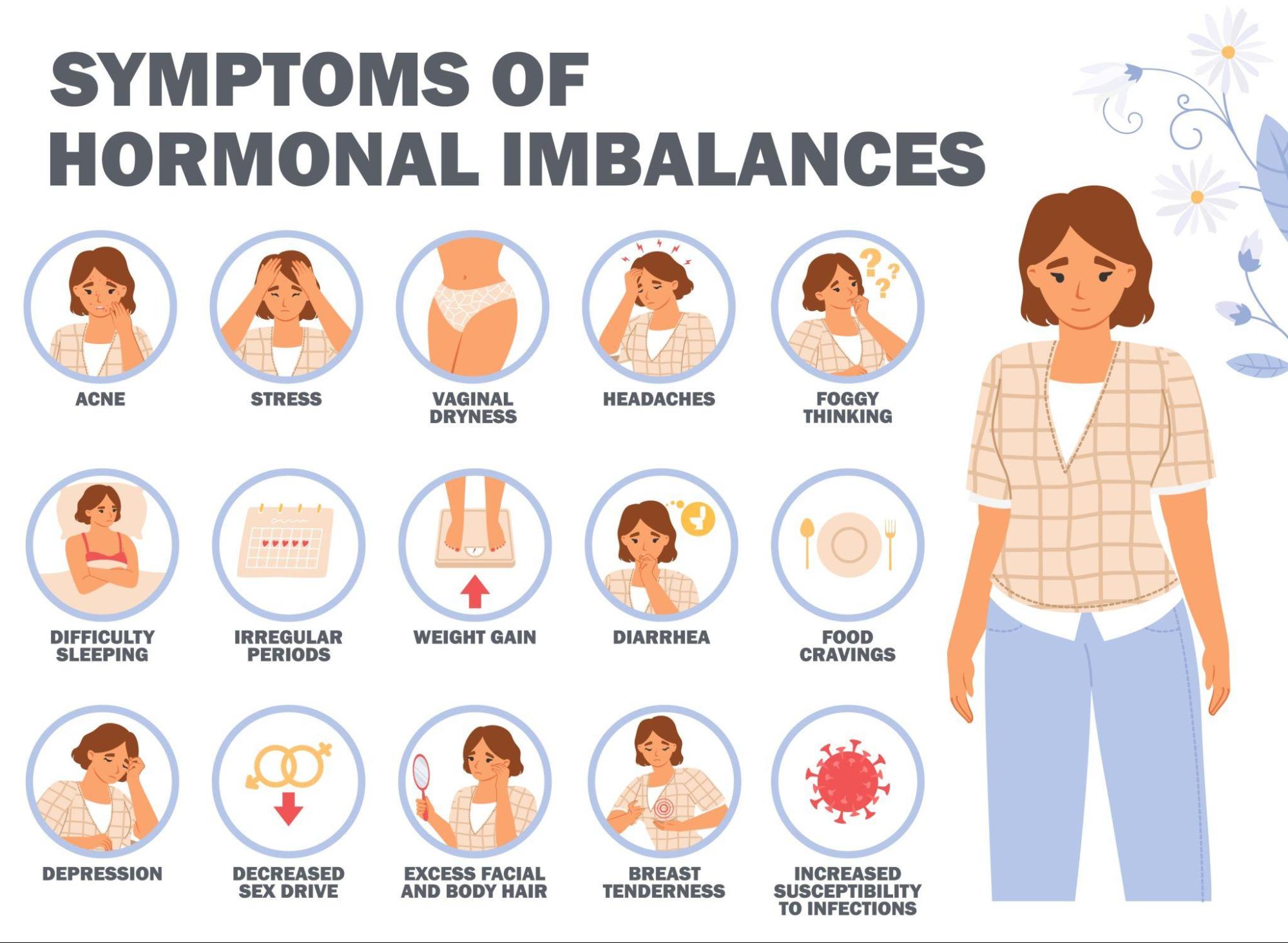
Common Symptoms:
- Fatigue
- Mood swings
- Weight gain
- Irregular periods
- Acne
- Hair fall
- Low energy
- Anxiety
Why Indian Women Are Especially Vulnerable
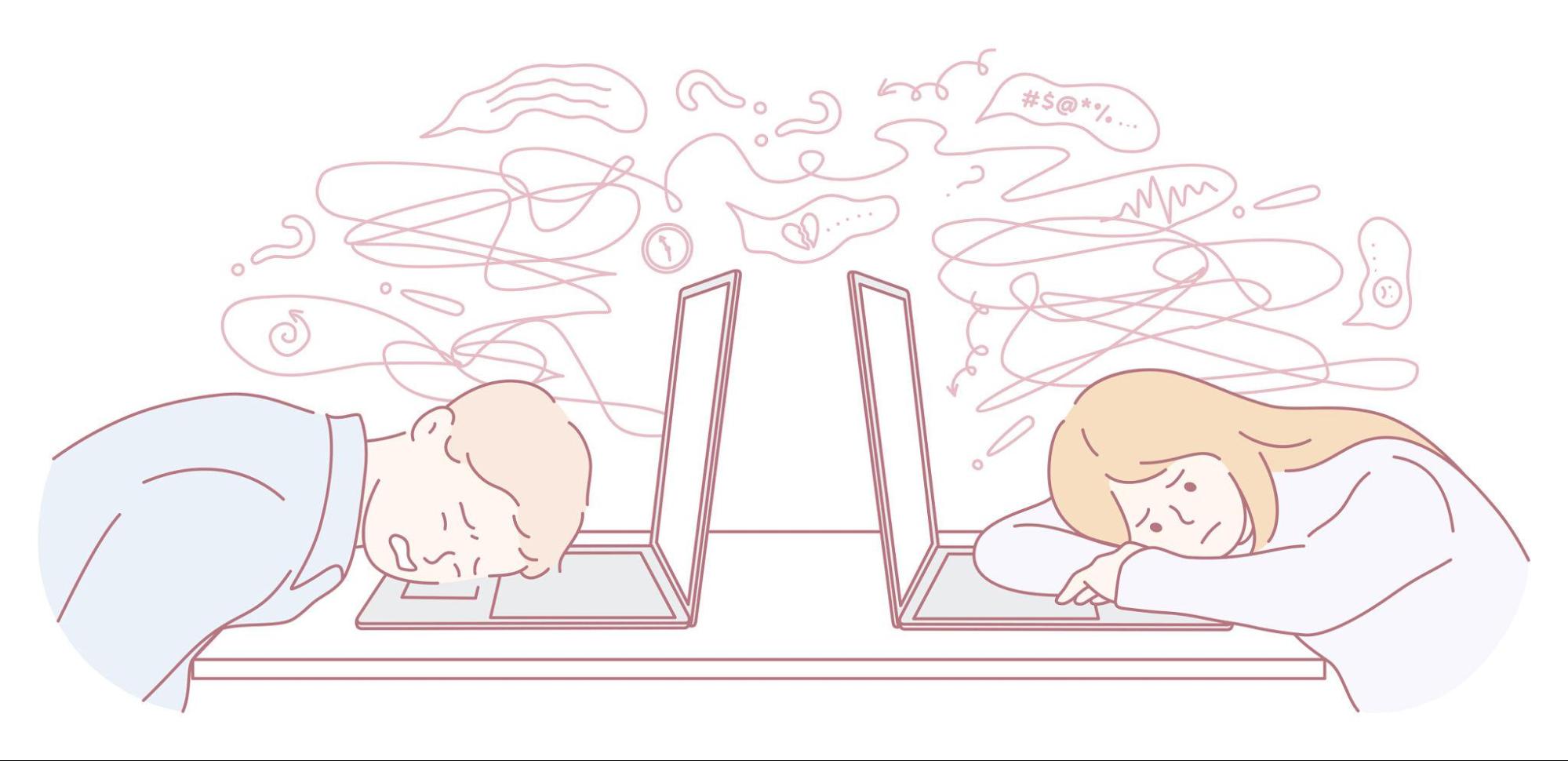
Several modern lifestyle factors contribute to this issue.
1. High Stress Levels
Constant mental pressure increases cortisol.
2. Screen Overload
Blue light disrupts melatonin production.
3. Poor Sleep Habits
Late-night scrolling and irregular schedules affect recovery.
4. Nutritional Gaps
Low iron, Vitamin D, and poor diet quality may worsen fatigue.
5. Hormonal Conditions
Conditions like PCOS and thyroid imbalance also affect sleep.
The Sleep-Hormone Cycle

Poor sleep may increase:
- Cortisol
- Cravings
- Emotional stress
Higher stress then further disrupts:
- Sleep quality
- Hormonal recovery
Action Plan: How to Improve Sleep & Hormonal Balance

1. Create a Consistent Sleep Schedule
Try sleeping and waking at similar times daily.
2. Reduce Screen Exposure at Night
Avoid excessive:
- Social media scrolling
- Bright screens
- Work emails late at night
Helpful Tip:
Reduce screen usage 1 hour before sleep.
3. Focus on Nutrient-Rich Foods
Important nutrients include:
- Iron
- Magnesium
- Protein
- Healthy fats
Helpful Indian Foods:
- Leafy greens
- Nuts and seeds
- Dal
- Millets
- Curd
4. Manage Stress Daily
Stress management supports both sleep quality and hormonal health.
Helpful Activities:
- Yoga
- Deep breathing
- Walking
- Journaling
- Meditation
5. Improve Sleep Environment
Create a calmer bedroom by:
- Reducing noise
- Dimming lights
- Keeping the room cool
6. Avoid Excess Caffeine Late Evening
Too much caffeine may disrupt deep sleep.
7. Move Your Body Regularly
Exercise supports:
- Better sleep
- Stress reduction
- Hormonal balance
Sample Hormone-Friendly Daily Routine
Morning
- Morning sunlight
- Protein-rich breakfast
- Light stretching
Afternoon
- Balanced meals
- Hydration
- Short screen breaks
Evening
- Early dinner
- Relaxation routine
- Limited screen exposure
When to Seek Medical Help
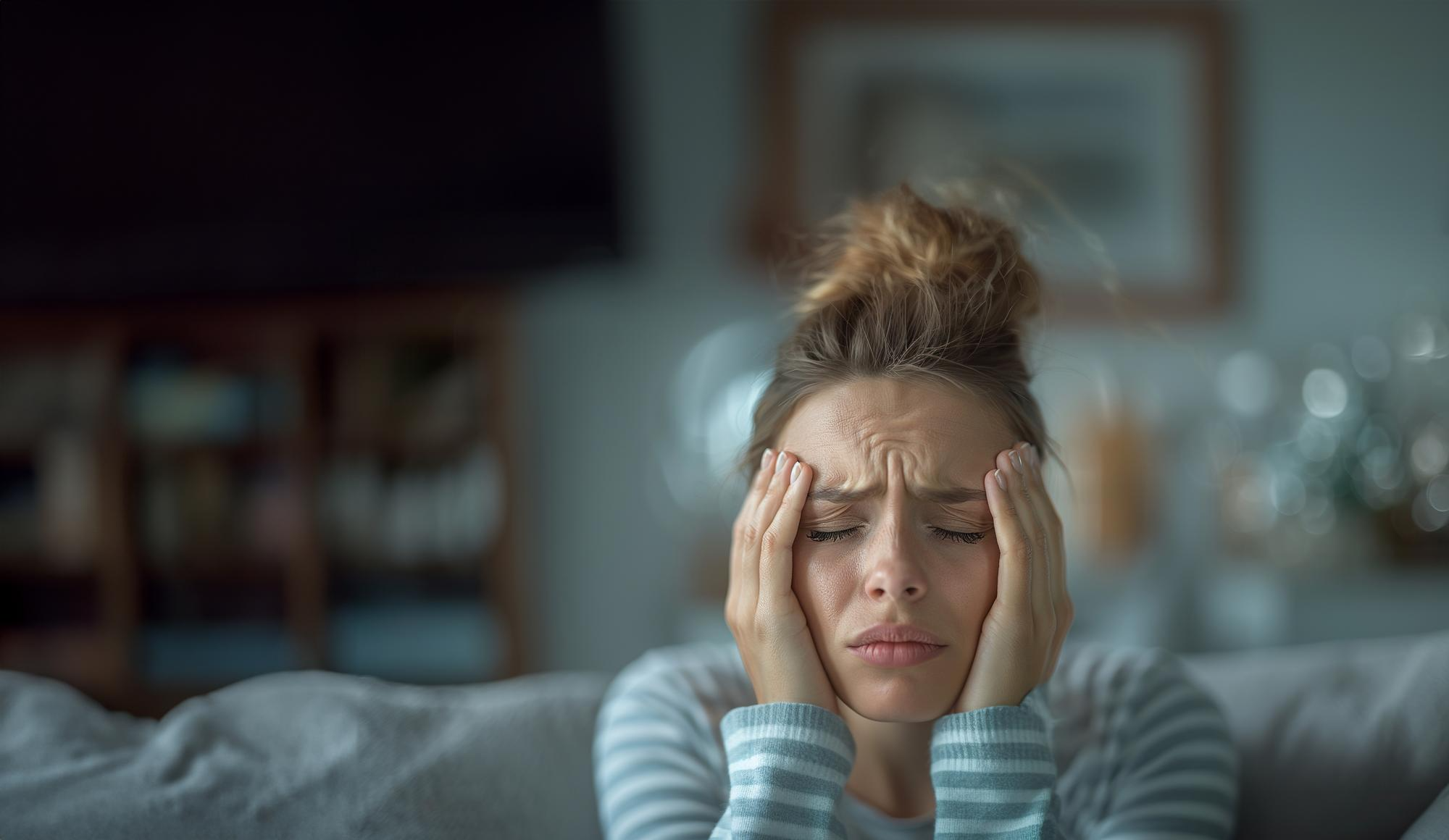
Consult a healthcare professional if symptoms persist:
- Severe insomnia
- Extreme fatigue
- Irregular periods
- Anxiety affecting daily life
- Significant hormonal symptoms
Tests may include:
- Thyroid profile
- Iron levels
- Hormonal assessments
- Sleep evaluations
Mental Health & Sleep
Mental wellness and sleep are strongly connected.
Poor sleep may increase:
- Anxiety
- Irritability
- Emotional exhaustion
Meanwhile, healthy sleep supports:
- Emotional stability
- Focus
- Mood regulation
Final Thoughts
Indian women today face unique lifestyle pressures that affect both sleep and hormones.
The solution is not:
- Extreme wellness trends
- Quick fixes
- Overworking through exhaustion
Instead focus on:
- Recovery
- Nutrition
- Consistency
- Stress management
Conclusion
Sleep disorders and hormonal imbalance are increasingly common among Indian women—but sustainable lifestyle habits can make a meaningful difference.
By improving:
- Sleep quality
- Daily routines
- Nutrition
- Stress management
