

For millions of women worldwide, symptoms such as:
- Irregular periods
- Weight gain
- Fatigue
- Acne
- Hair thinning
- Excess facial hair
- Fertility struggles
…can feel confusing, frustrating, and emotionally exhausting.
Polycystic Ovary Syndrome (PCOS).
In 2026, PCOS is recognized as one of the most common hormonal and metabolic conditions affecting women of reproductive age globally.
Yet despite its prevalence, the condition remains widely misunderstood — particularly its deep connection to insulin resistance and long-term metabolic health.
It is increasingly understood as a complex interaction involving:
- Hormones
- Metabolism
- Insulin regulation
- Inflammation
- Genetics
- Lifestyle factors
Understanding this broader picture is critical because managing PCOS effectively often requires far more than simply addressing menstrual symptoms alone.
What Is PCOS?

PCOS is a hormonal and metabolic condition that can affect:
- Ovulation
- Hormone levels
- Menstrual cycles
- Metabolic function
Common features may include:
- Irregular or absent periods
- Elevated androgen levels
- Ovarian cysts in some individuals
- Insulin resistance
- Acne
- Excess hair growth
- Weight management challenges
PCOS exists on a spectrum, which is one reason diagnosis and treatment can sometimes feel complicated.
Why Insulin Resistance Matters So Much
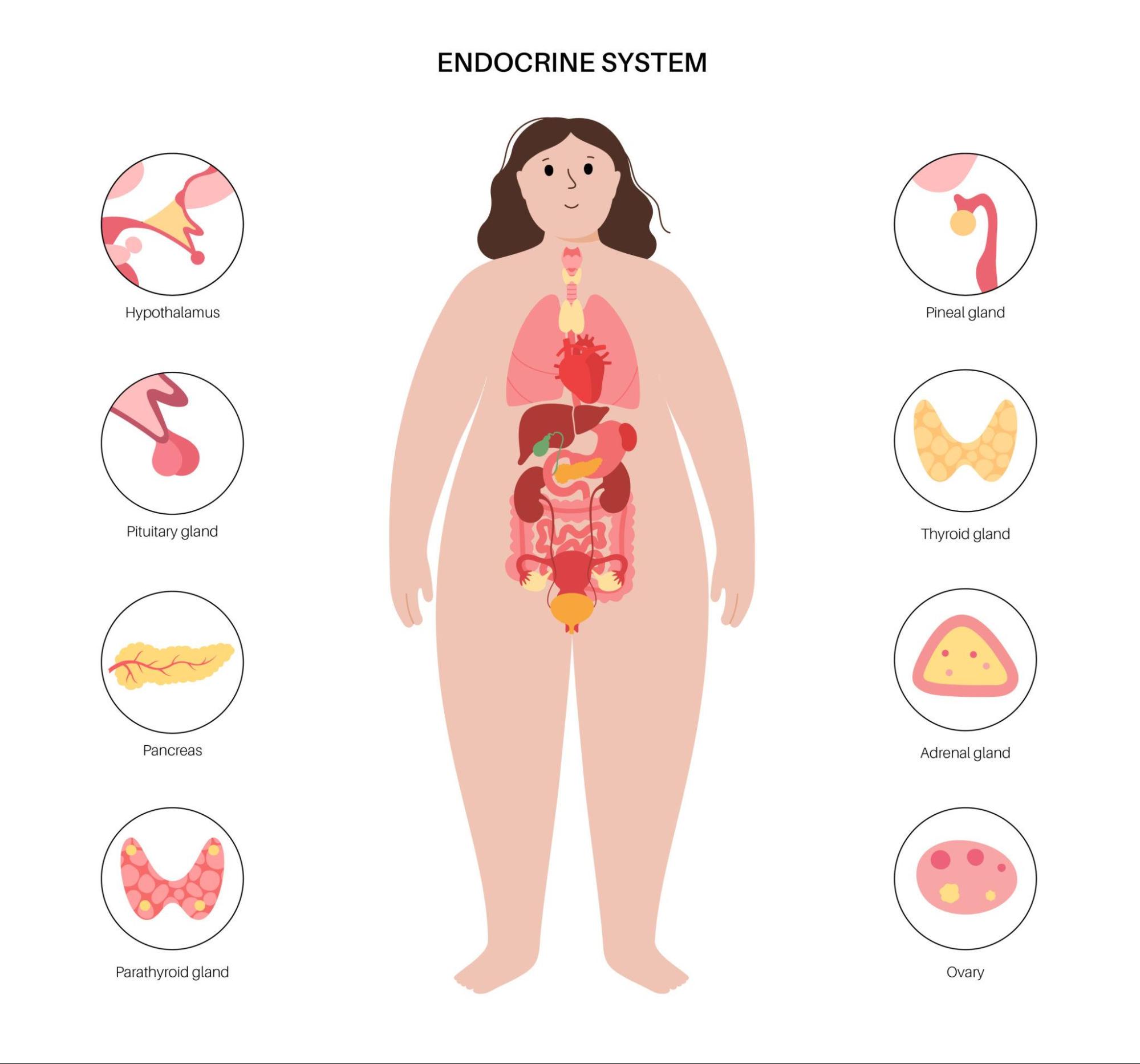
One of the most important — and often overlooked — aspects of PCOS is insulin resistance.
Insulin is a hormone that helps move glucose from the bloodstream into cells for energy.
With insulin resistance, cells become less responsive to insulin, causing the body to produce more of it.
Higher insulin levels may contribute to:
- Increased androgen production
- Fat storage
- Hunger and cravings
- Energy fluctuations
- Ovulation disruption
This is why PCOS is closely connected not only to reproductive health, but also to:
- Metabolic health
- Blood sugar regulation
- Long-term cardiovascular risk
Common Symptoms of PCOS
Symptoms vary significantly between individuals, but common experiences include:
Menstrual Changes
- Irregular periods
- Missed cycles
- Heavy bleeding
Skin and Hair Symptoms
- Acne
- Oily skin
- Facial hair growth
- Hair thinning or scalp hair loss
Metabolic Symptoms
- Weight gain
- Difficulty losing weight
- Cravings
- Fatigue
- Blood sugar instability
Fertility Challenges
Irregular ovulation may affect fertility for some women.
Emotional Health
Many women with PCOS also experience:
- Anxiety
- Depression
- Body image struggles
- Emotional frustration
PCOS Is Not Always Caused by Weight
One of the biggest misconceptions about PCOS is that it only affects women with higher body weight.
In reality, PCOS can occur across many body types.
Some women with PCOS are lean but still experience:
- Hormonal symptoms
- Insulin resistance
- Ovulation issues
Oversimplifying PCOS as only a “weight problem” can delay proper diagnosis and care.
Why Weight Gain Feels So Difficult With PCOS
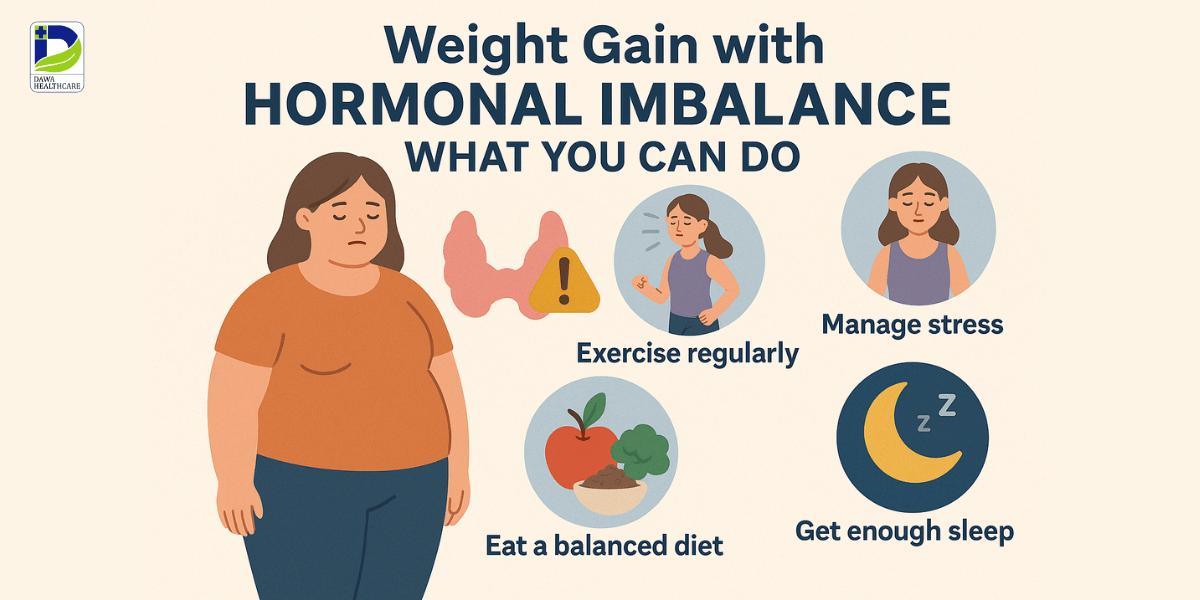
Many women with PCOS describe feeling as though their bodies respond differently to food and exercise compared to others.
Insulin resistance may contribute to:
- Increased hunger
- Cravings
- Energy crashes
- Easier fat storage
At the same time, chronic stress, poor sleep, hormonal shifts, and restrictive dieting can worsen metabolic regulation further.
Nutrition and PCOS
There is no single “perfect PCOS diet,” but many experts recommend focusing on:
- Blood sugar stability
- Fiber-rich foods
- Protein intake
- Whole-food nutrition
- Healthy fats
Helpful eating patterns may include:
- Mediterranean-style nutrition
- Minimally processed foods
- Balanced meals with protein and fiber
Many women report improved energy and symptom management when reducing:
- Highly processed foods
- Excess sugar
- Frequent blood sugar spikes
Why Strength Training Helps
Exercise is one of the most effective tools for supporting insulin sensitivity.
Strength training may help improve:
- Blood sugar regulation
- Muscle mass
- Metabolic health
- Energy
- Long-term insulin function
Walking and moderate cardiovascular activity can also support metabolic health without requiring extreme workout intensity.
Sleep and Stress Affect PCOS Too
Sleep and stress are deeply connected to hormonal regulation.
Poor sleep may worsen:
- Hunger hormones
- Cravings
- Insulin resistance
- Fatigue
- Stress responses
Chronic stress may also affect cortisol regulation and metabolic function.
Fertility and PCOS
PCOS is one of the leading causes of ovulation-related fertility challenges.
However, many women with PCOS can still conceive naturally or with medical support.
Treatment approaches vary depending on:
- Symptoms
- Hormone levels
- Metabolic health
- Fertility goals
Fertility care may include:
- Lifestyle interventions
- Ovulation support medications
- Insulin-sensitizing treatments
- Reproductive medicine
Medical Treatment Options
PCOS treatment depends on symptom patterns and individual goals.
Possible approaches may include:
- Lifestyle modifications
- Hormonal birth control
- Insulin-sensitizing medications
- Fertility treatments
- Acne management
- Hair growth treatments
Some women also explore supplements such as:
- Inositol
- Omega-3 fatty acids
- Vitamin D
The Mental Health Side of PCOS
The emotional burden of PCOS is often underestimated.
Many women experience:
- Body image distress
- Frustration with symptoms
- Shame around weight changes
- Fertility anxiety
- Emotional exhaustion
The Future of PCOS Care
Researchers continue studying:
- Personalized hormone medicine
- Insulin resistance pathways
- Gut microbiome links
- Inflammation
- AI-driven metabolic health tracking
- Precision nutrition approaches
Healthcare is gradually shifting toward more integrated approaches that combine:
- Hormonal care
- Metabolic health
- Mental health support
- Lifestyle medicine
Final Thoughts
PCOS is one of the most common yet misunderstood hormonal and metabolic conditions affecting women today.
Its connection to insulin resistance helps explain why symptoms often involve:
- Weight changes
- Energy fluctuations
- Cravings
- Hormonal disruption
- Fertility challenges
- Long-term metabolic health risks
Managing PCOS effectively usually requires a broader perspective that includes:
- Nutrition
- Movement
- Sleep
- Stress management
- Medical care
- Emotional support