

Introduction: Why More American Women Are Struggling With Sleep
In 2026, sleep disorders among American women are rising at an alarming rate.
Many women today juggle:
- Challenging careers
- Family and caregiving demands
- Always-on digital lifestyles
- Chronic stress
- Irregular or demanding schedules
As a result, poor sleep has become a significant concern nationwide.
At the same time, hormonal imbalance is impacting many women, with symptoms such as:
- Fatigue
- Weight fluctuations
- Mood swings
- Irregular menstrual cycles
- Hair thinning
- Heightened anxiety
Sleep and hormones are deeply intertwined.
Poor sleep disrupts hormonal balance, while hormonal imbalance can further impair sleep. This creates a cycle that affects:
- Mental health
- Energy and motivation
- Metabolism
- Daily productivity at work or home
- The connection between sleep and hormones
- Common sleep disorders in American women
- Primary causes and warning signs
- A practical action plan for lasting wellness
How Sleep Affects Hormones
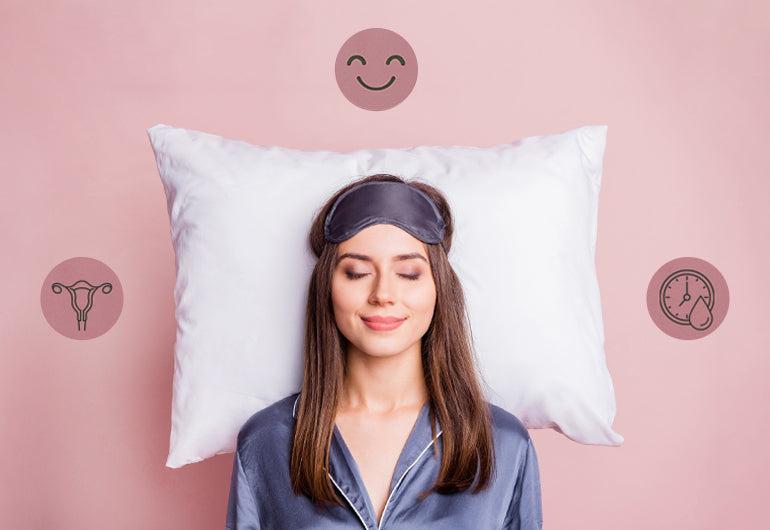
Sleep is much more than “rest.” It’s an active recovery process regulating key hormones.
Hormones Influenced by Sleep:
- Cortisol (the stress hormone)
- Melatonin (the sleep hormone)
- Insulin
- Estrogen
- Progesterone
When sleep quality drops, hormone harmony is often the first thing to suffer.
Common Sleep Disorders Affecting American Women
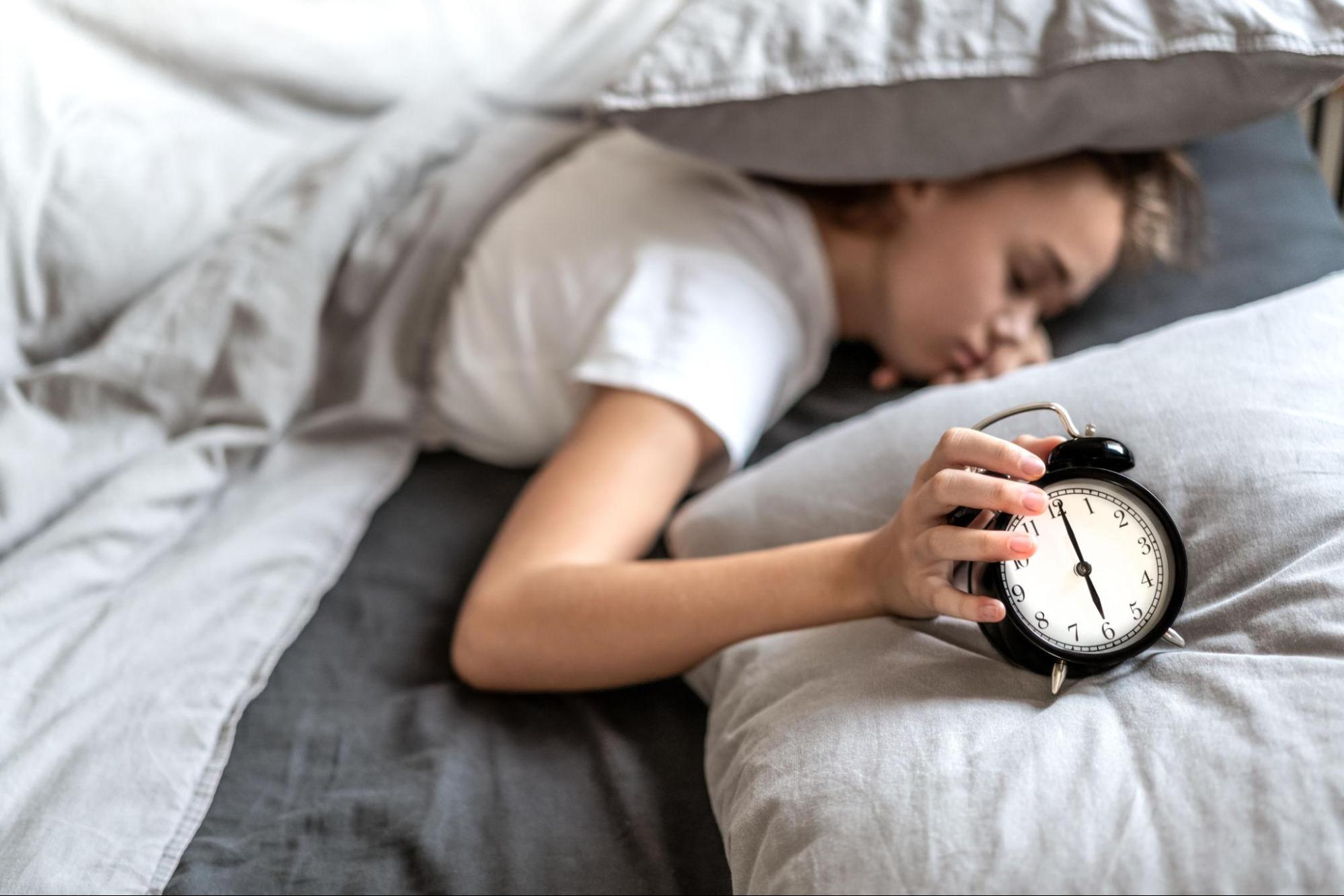
1. Insomnia
Women often struggle with:
- Falling asleep
- Staying asleep
- Waking up feeling unrested
Frequently linked with:
- Life stress
- Generalized anxiety
- Hormonal changes
2. Sleep Anxiety
Many experience racing thoughts before bed due to:
- Work demands
- Emotional overload
- Overthinking daily concerns
3. Irregular Sleep Cycles
Late-night screen use and inconsistent routines can disrupt your natural circadian rhythms.
4. Sleep Deprivation
Chronic lack of adequate sleep is alarmingly common across all ages.
Signs of Hormonal Imbalance
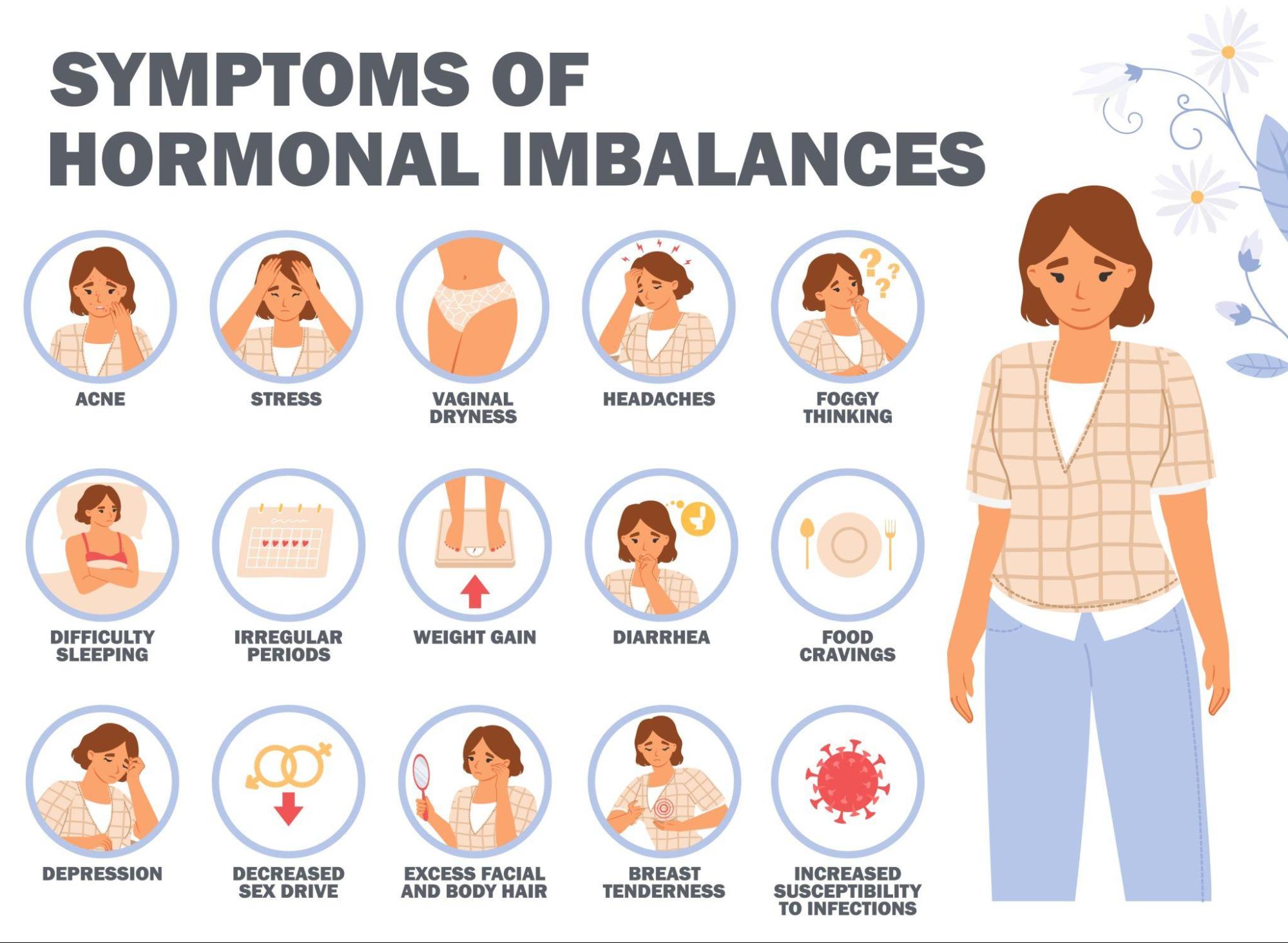
Common Symptoms:
- Fatigue
- Mood changes
- Unexplained weight gain
- Irregular periods
- Acne
- Hair thinning/loss
- Low energy
- Increased anxiety
Why American Women Are Especially Vulnerable
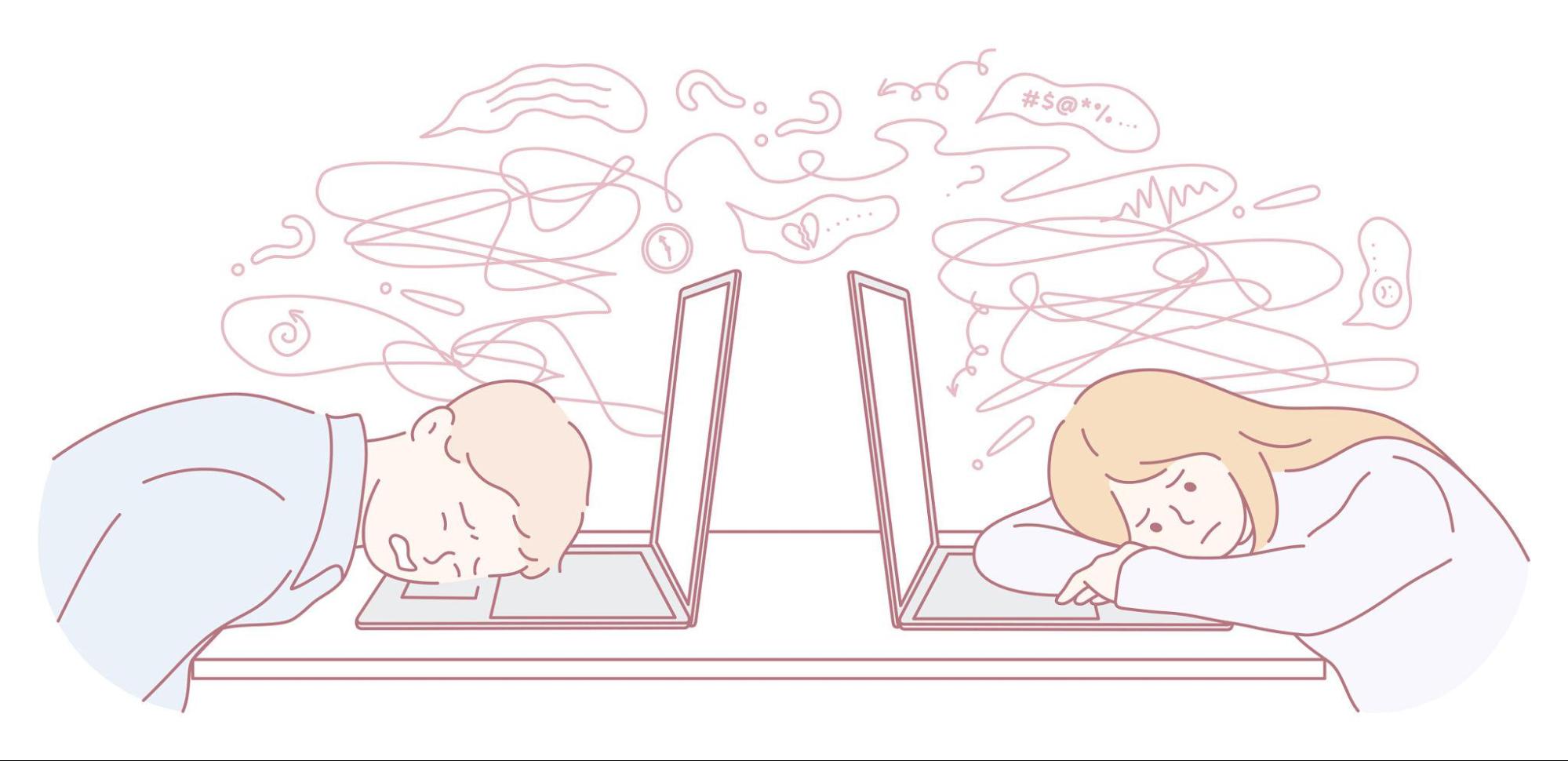
A modern, fast-paced lifestyle leads to widespread sleep and hormone challenges.
1. Elevated Stress
Constant demands at work and home keep cortisol levels high.
2. Digital Overload
Blue light from phones and laptops can limit melatonin and delay sleep.
3. Suboptimal Sleep Routines
Late-night streaming and working long hours disturb healthy sleep patterns.
4. Dietary Gaps
Not enough iron, vitamin D, and balanced meals can worsen daytime fatigue.
5. Common Hormone Conditions
Issues like thyroid disorders and PCOS disrupt hormones and sleep.
The Sleep-Hormone Cycle

Poor sleep elevates:
- Cortisol
- Food cravings
- Emotional stress
High stress then disrupts:
- Sleep quality
- Hormone recovery
Action Plan: How to Improve Sleep & Hormonal Balance

1. Establish a Consistent Sleep Schedule
Go to bed and wake up at similar times every day—even on weekends.
2. Limit Screen Exposure at Night
Avoid too much:
- Social media scrolling
- Bright screens
- Late-night work emails
Pro Tip:
Turn off electronics at least 1 hour before bedtime.
3. Focus on Nutrient-Packed Foods
Key nutrients to prioritize:
- Iron
- Magnesium
- Protein
- Healthy fats
Smart American food choices:
- Spinach and leafy greens
- Nuts and seeds
- Lean meats, eggs, or plant-based proteins
- Whole grains
- Low-fat yogurt
4. Manage Stress Effectively
Daily stress-relief routines boost sleep and hormone health.
Helpful practices:
- Yoga or gentle stretching
- Deep breathing
- Daily walks
- Journaling
- Meditation
5. Optimize Your Sleep Environment
Create a peaceful bedroom by:
- Blocking out noise
- Dimming lights at night
- Maintaining a cool, comfortable room
6. Minimize Evening Caffeine
Too much coffee or tea late in the day can harm sleep quality.
7. Move Your Body Regularly
Physical activity supports:
- Sounder sleep
- Stress management
- Hormone regulation
Sample Hormone-Friendly Daily Routine
Morning
- Get morning sunlight (try a short walk outside!)
- Enjoy a protein-rich breakfast
- Light stretching or yoga
Afternoon
- Eat balanced meals
- Stay hydrated
- Take short breaks away from screens
Evening
- Eat dinner early
- Unwind with a relaxation routine
- Limit screens before bed
When to Seek Medical Help
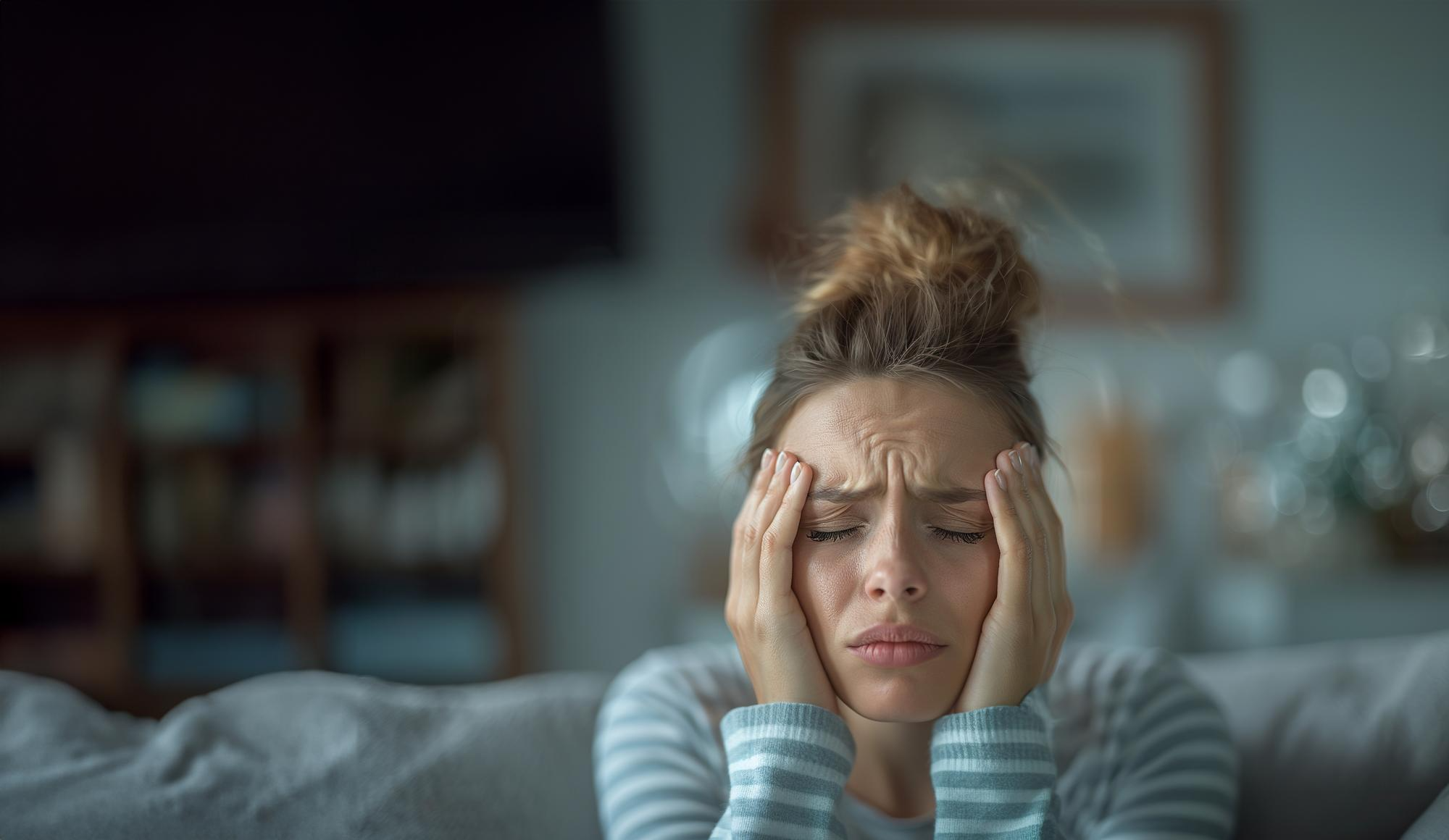
Talk to your doctor or a healthcare provider if issues persist such as:
- Severe insomnia
- Extreme fatigue
- Irregular menstrual cycles
- Anxiety that impacts daily life
- Notable hormone symptoms
Relevant tests may include:
- Thyroid screening
- Iron level tests
- Hormonal panels
- Sleep evaluations
Mental Health & Sleep
Good sleep and mental health are inseparable.
Sleep deprivation may increase:
- Anxiety
- Irritability
- Emotional exhaustion
By contrast, restorative sleep supports:
- Emotional stability
- Focus and clarity
- Positive mood
Final Thoughts
American women face unique modern pressures impacting both sleep and hormonal balance.
The solution is not:
- Extreme fad diets or quick trends
- Short-term fixes
- Pushing through burnout
The sustainable answer is to focus on:
- Mindful recovery
- Nutritious choices
- Daily consistency
- Balanced stress management
Conclusion
Sleep disorders and hormonal imbalances are on the rise among American women—but small, sustainable lifestyle steps can make an enormous difference.
By improving:
- Sleep habits
- Daily routines
- Nutrition
- Stress care
