
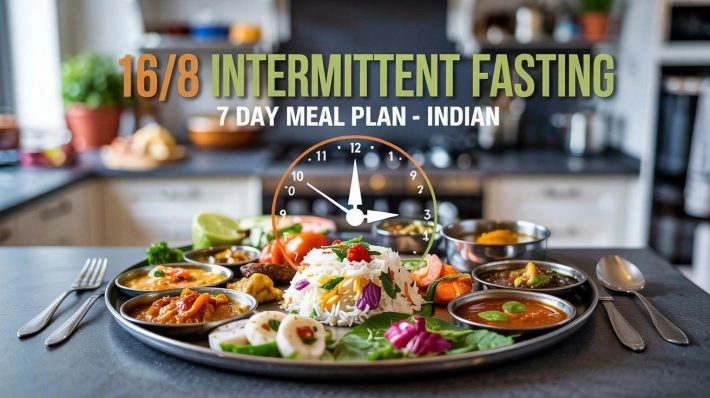
Introduction: Why Intermittent Fasting is Trending in 2026
Intermittent fasting (IF) has surged in popularity as one of the leading wellness and lifestyle trends across the US in recent years.
In 2026, many American women are exploring intermittent fasting for:
- Weight management
- Digestive wellness
- Increased energy
- Hormonal balance
- Establishing simpler, healthier eating habits
While fasting might seem new, many cultures—including in the US—have practiced meal timing, “meatless Mondays,” or light eating days for generations.
Today, the modern approach to intermittent fasting blends traditional concepts with cutting-edge nutritional science and lifestyle research.
But intermittent fasting is not “one-size-fits-all.” Women’s bodies, in particular, may respond differently to fasting compared to men due to hormonal variations, nutritional needs, and stress sensitivity.
- The science behind intermittent fasting
- Potential benefits and risks
- The most popular fasting methods for American women
- Meal ideas, safety tips, and practical advice
What is Intermittent Fasting?
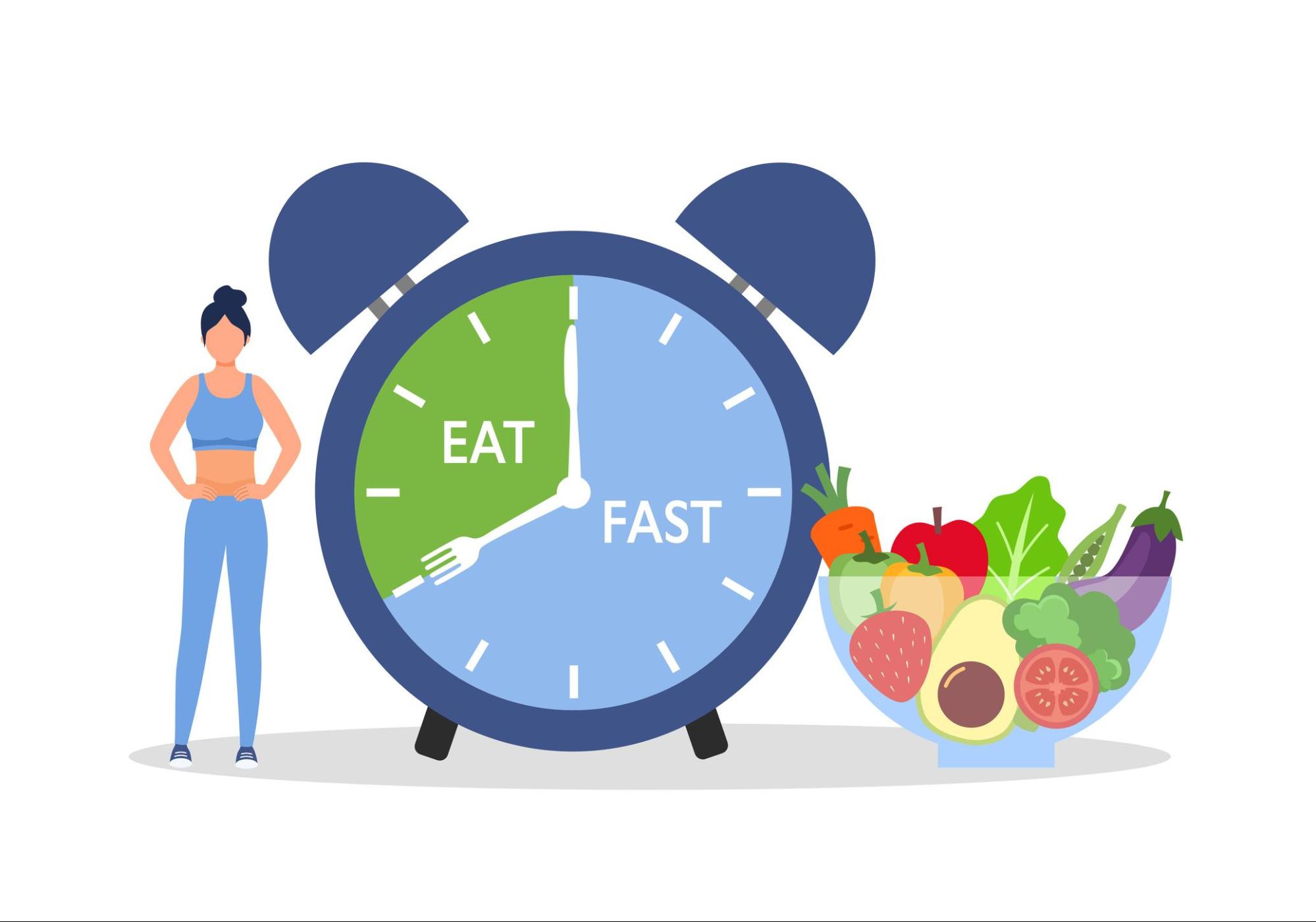
Intermittent fasting (IF) is an eating approach that alternates set periods of eating with periods of fasting.
- Eating windows
- Fasting windows
The emphasis is on when you eat, not just what you eat.
Popular Intermittent Fasting Methods in the US
16:8 Method
Fast for 16 hours and eat during an 8-hour window each day.
Example:
- First meal → 12 PM
- Last meal → 8 PM
14:10 Method
A gentler 14-hour fast with a 10-hour eating window—ideal for beginners.
Early Time-Restricted Eating
Only consuming calories in the earlier part of the day and avoiding late-night meals.
The Science Behind Intermittent Fasting
Fasting triggers a shift in the body’s energy usage and metabolic processes.
During Fasting Windows:
- Insulin levels can decrease
- The body may use stored fat for energy
- Digestive system gets a break
Studies indicate fasting may support:
- Metabolic health
- Cell repair and autophagy
- Blood sugar regulation
Potential Benefits for American Women

- Simplified Eating Routines – Many women find timed eating less stressful than calorie counting.
- Greater Awareness of True Hunger – Fasting often reduces mindless snacking and emotional eating.
- Digestive Rest – Extended periods between meals may support digestive comfort.
- Weight Management Tool – Some women use IF to complement balanced, healthy eating patterns.
- Improved Meal Structure – Consistent meal timing can strengthen routines and discipline.
Why Women Need a Balanced Approach
Women’s hormonal systems are especially sensitive to:
- Chronic stress
- Insufficient calorie intake
- Sleep deprivation
- Extreme dieting
Fasting too aggressively or for prolonged periods can negatively influence:
- Energy
- Mood
- Hormonal balance
- Menstrual health
Who Should Be Careful With Intermittent Fasting?
Intermittent fasting is not suitable for everyone.
Consult your healthcare provider first if you:
- Are pregnant or breastfeeding
- Have diabetes or metabolic conditions
- Have a history of eating disorders
- Have ongoing hormonal issues
- Feel ongoing fatigue or weakness
Best Foods to Eat During Eating Windows
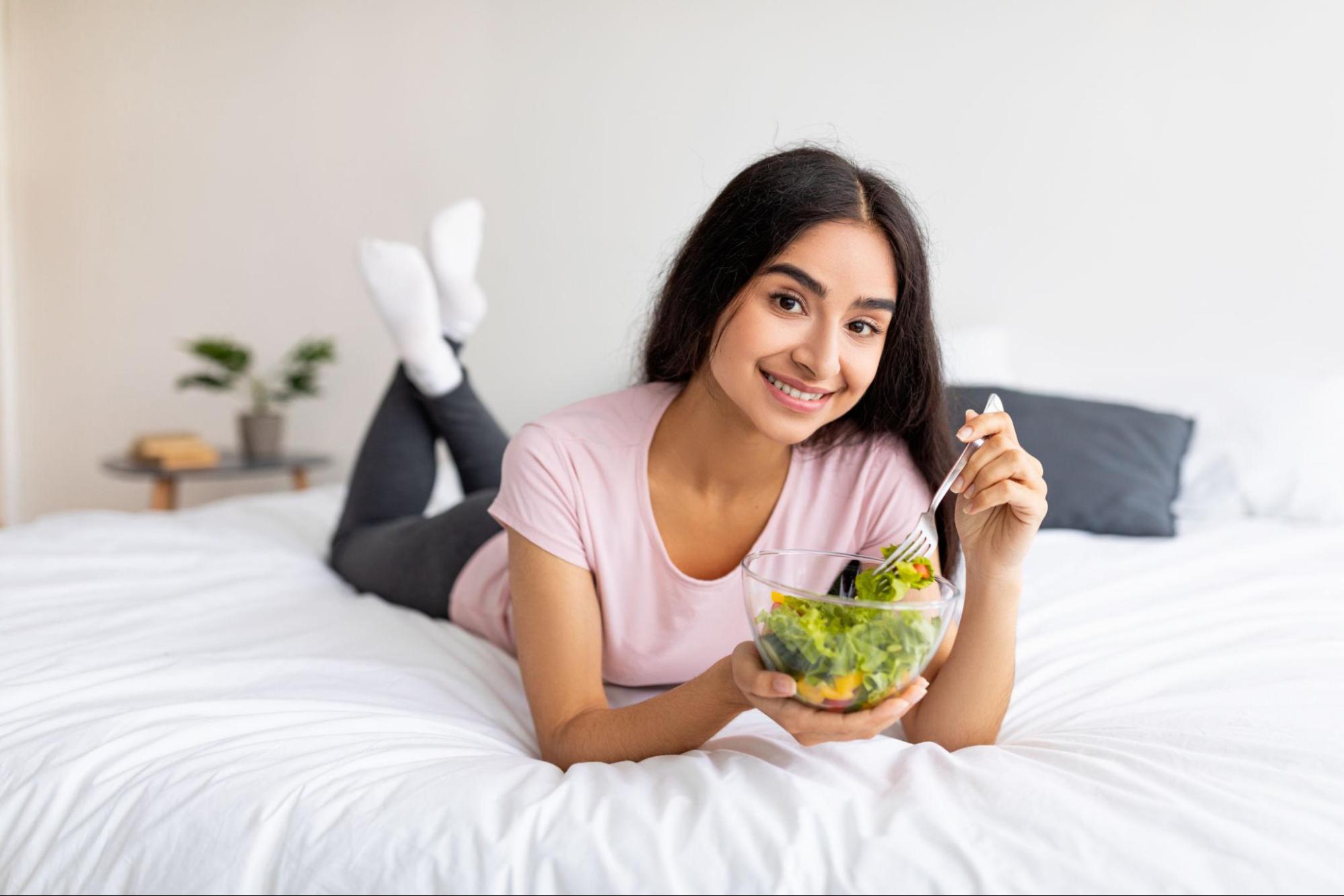
Nutrition quality is key to seeing the benefits of intermittent fasting.
Focus on:
- Lean proteins: eggs, chicken, fish, tofu, legumes
- Fiber: whole grains, beans, vegetables, fruit
- Healthy fats: olive oil, avocados, nuts, seeds
- Colorful fruits and vegetables
- Traditional whole foods such as oatmeal, sweet potatoes, and greens
Balanced Simple Meal Ideas:
- Grilled chicken or tofu with brown rice and roasted veggies
- Salmon bowl with quinoa, spinach, and avocado
- Eggs with whole wheat toast and fresh fruit
- Greek yogurt with berries and nuts
- Smoothies with protein, greens, and banana
Common Mistakes Women Make With Intermittent Fasting
- Neglecting Nutrition – Fasting does not mean skipping healthy meals.
- Overindulging in Processed Foods – Quality matters as much as timing.
- Going Too Intense, Too Fast – Start with shorter fasts to avoid stress and burnout.
- Ignoring Sleep and Recovery – Poor sleep can undermine the benefits of fasting.
Sample Beginner-Friendly Routine
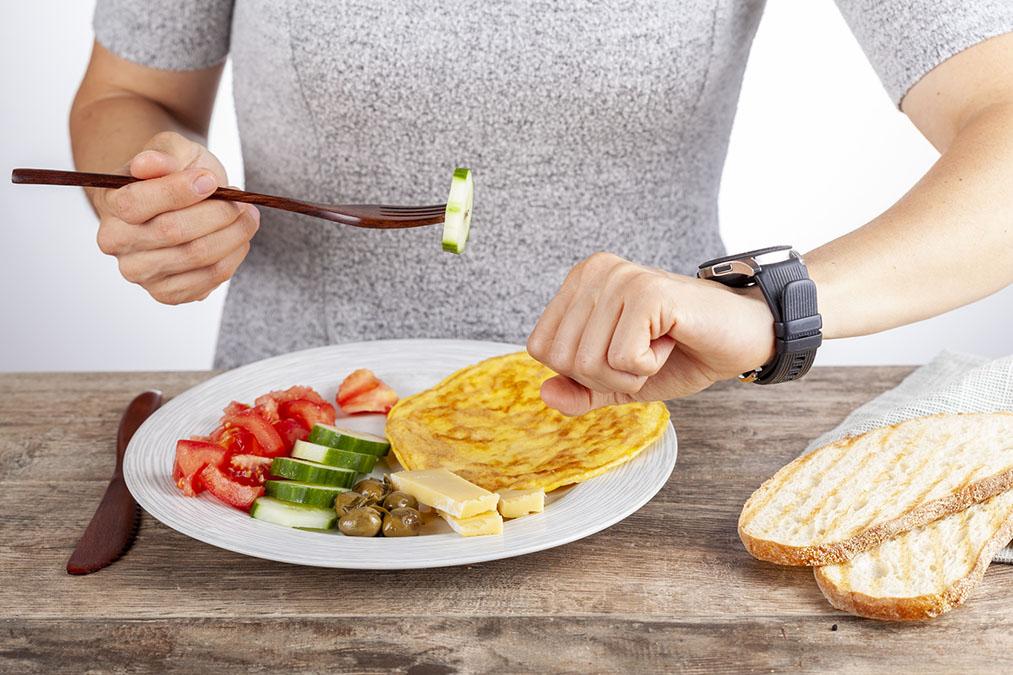
Morning
- Water or herbal tea
- Gentle movement or stretching
First Meal (12 PM)
- Protein and fiber-rich lunch (e.g., salad with chicken or tofu, whole grain toast)
Afternoon
- Fruit or nuts as snack
Evening Meal
- Balanced dinner before 8 PM
Mental Health & Fasting
Fasting should never turn into:
- An obsession
- Extreme self-restriction
- Punishment for eating
Healthy habits must support:
- Your physical health
- Emotional well-being
- Long-term, practical living
Traditional American Eating Patterns: What Can We Learn?
While Americans haven’t always labeled it “fasting,” familiar practices like eating early dinners, regular meal timing, and “meatless Mondays” can support healthy eating rhythms.
- Family dinners at regular times
- Light eating days
- Preparing meals at home
- Consistent routines
Building a Sustainable Wellness Routine
Intermittent fasting works best as part of a bigger wellness picture, alongside:
- Quality sleep
- Stress management
- Regular exercise
- Balanced, nutritious meals
- Hydration
Final Thoughts
Intermittent fasting can be a valuable wellness tool for some American women when approached thoughtfully and sustainably.
The goal is not:
- Overly strict restrictions
- Rapid weight loss at any cost
- Perfection
Instead, aim for:
- Better awareness of healthy eating
- Balanced routines you can maintain
- Long-term, realistic consistency
Conclusion
As research continues, more women in the United States are considering intermittent fasting for better health, vibrant energy, and a simple but sustainable lifestyle.
Intermittent fasting works best when combined with:
- Nutritious American meals
- Good sleep
- Intentional stress management
- Moderation
